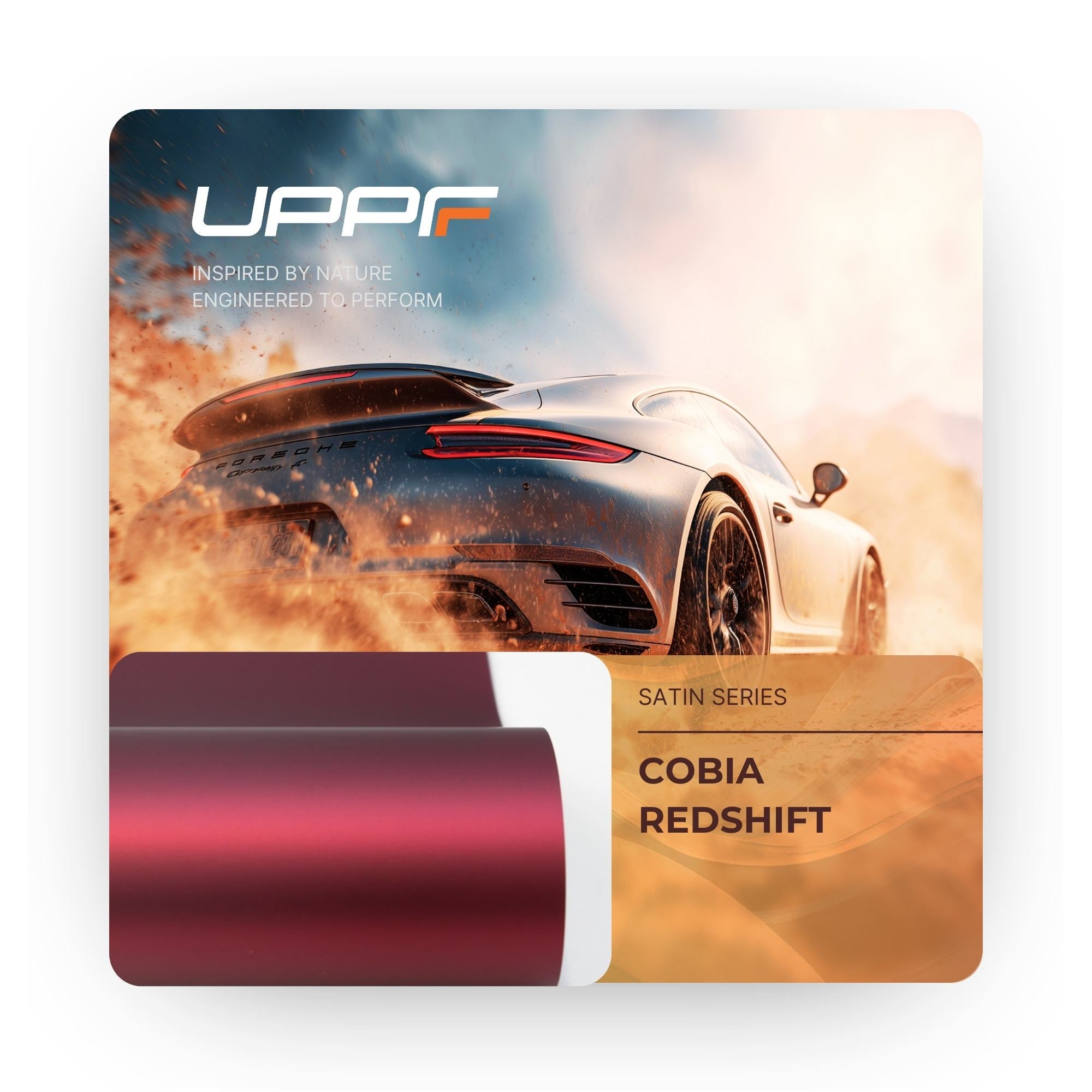
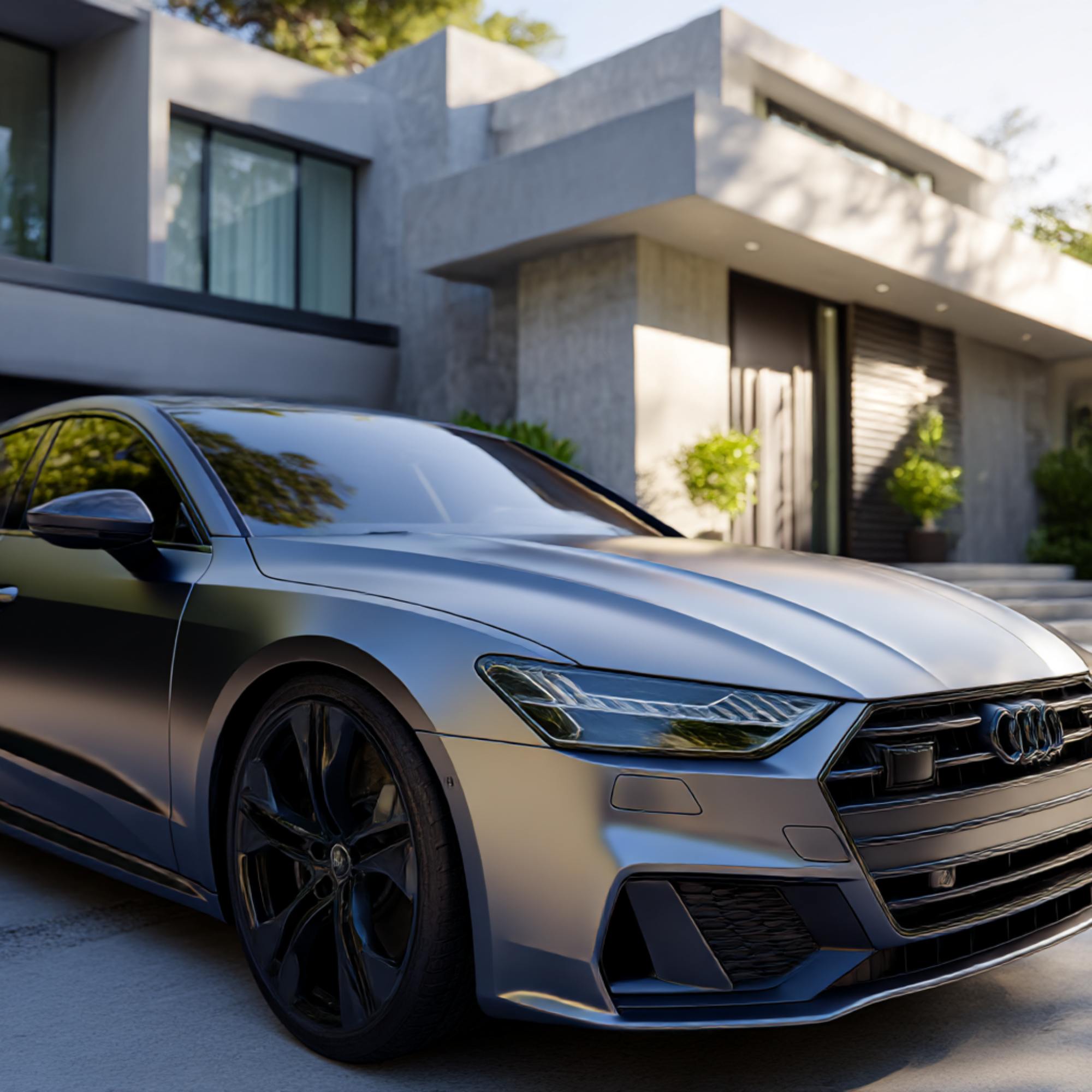
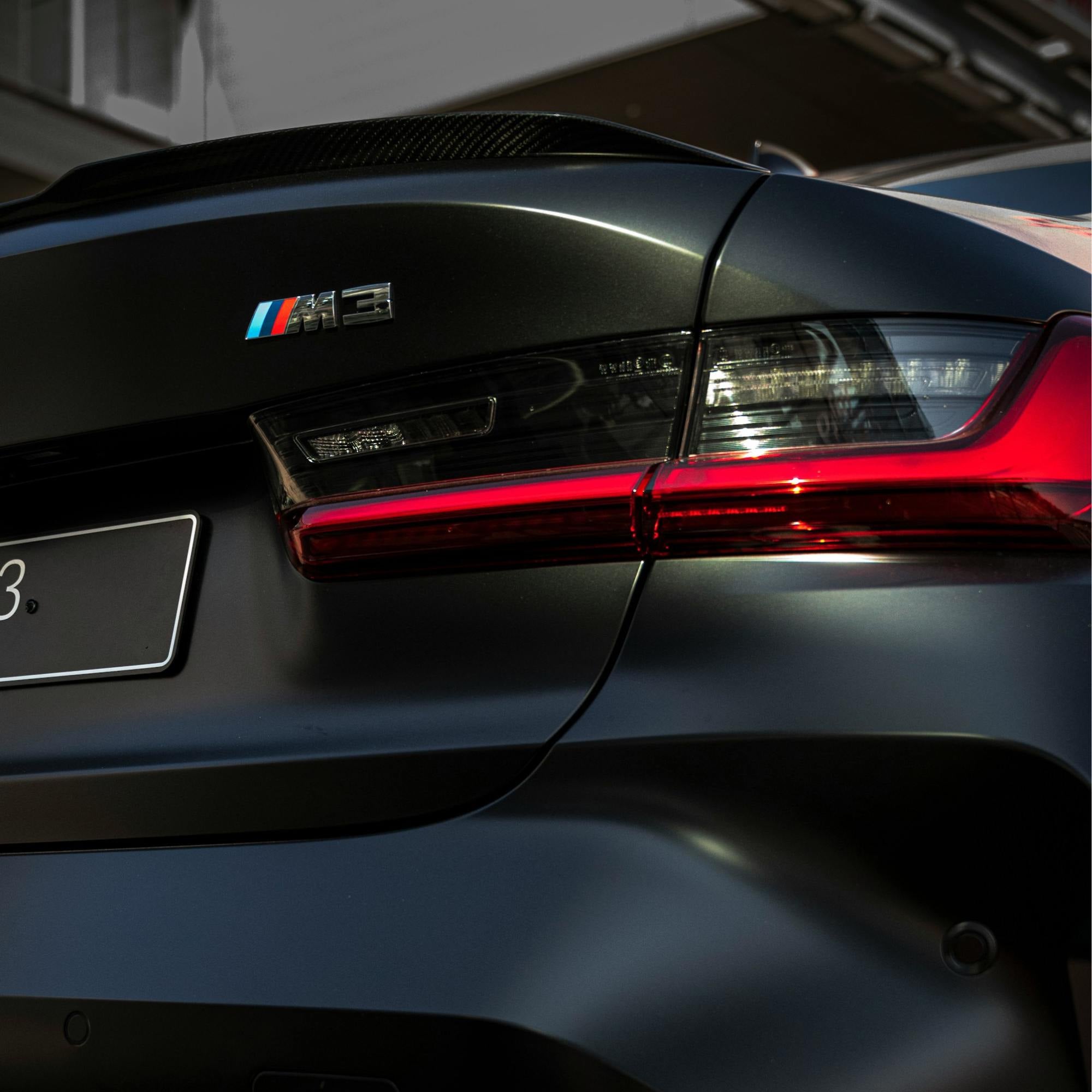
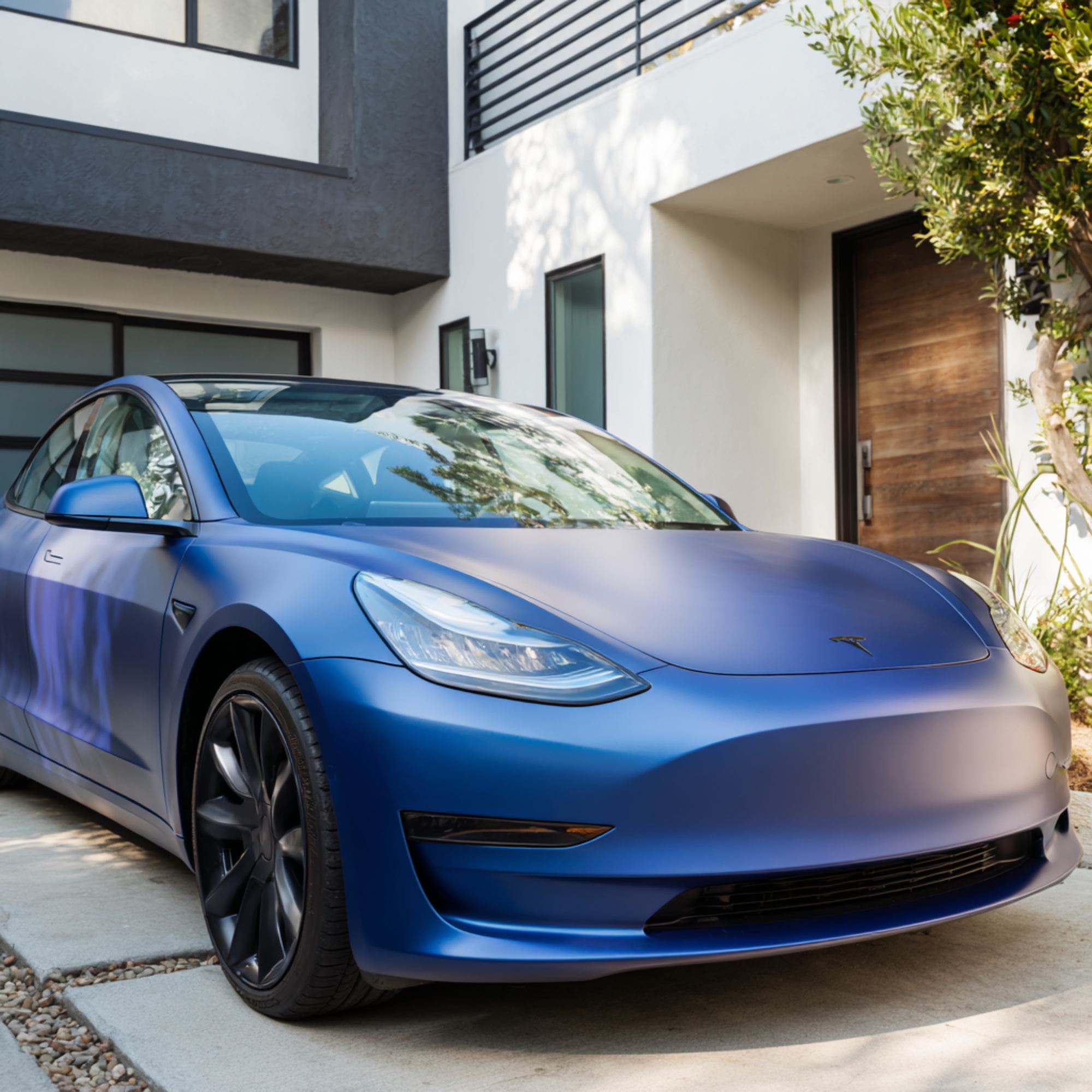
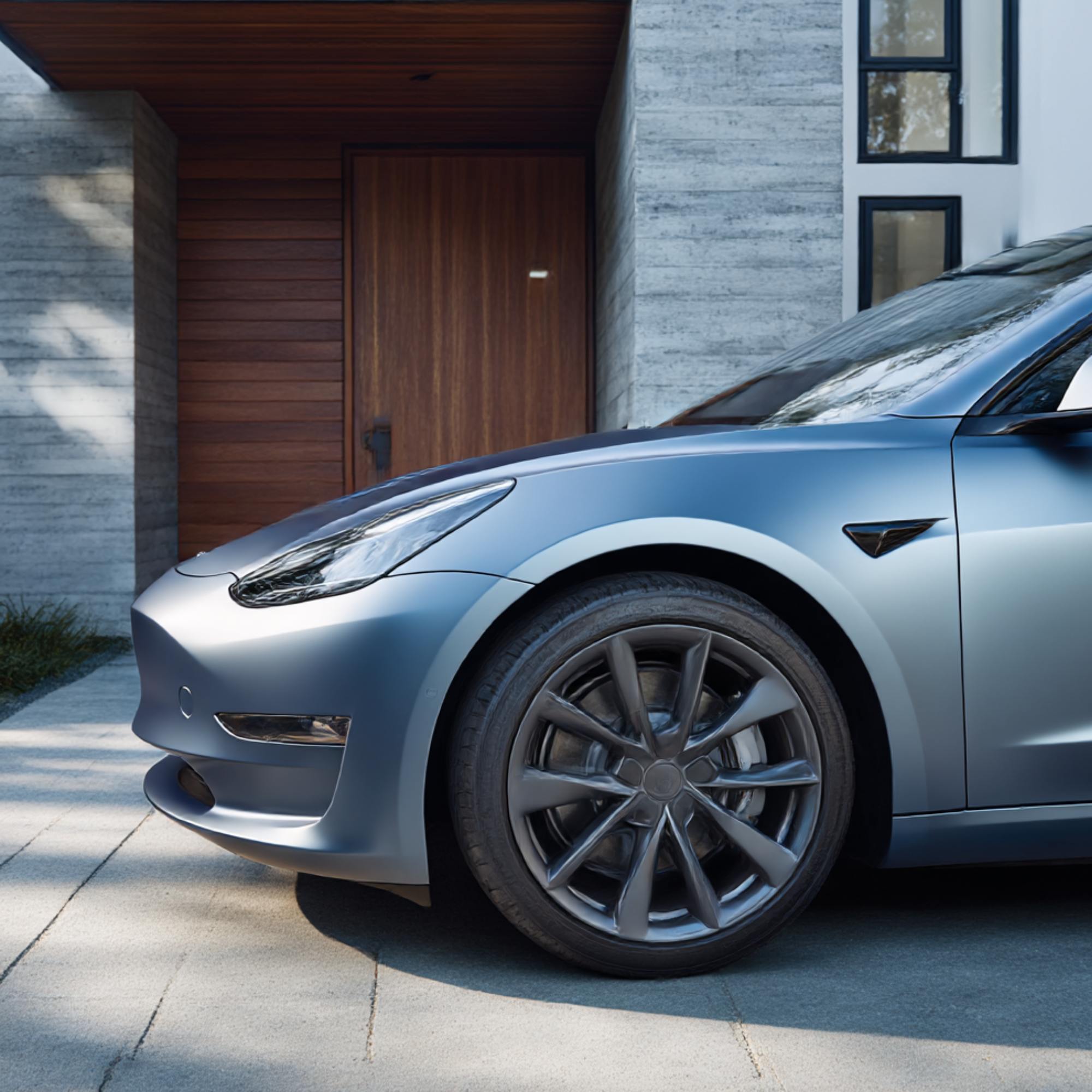
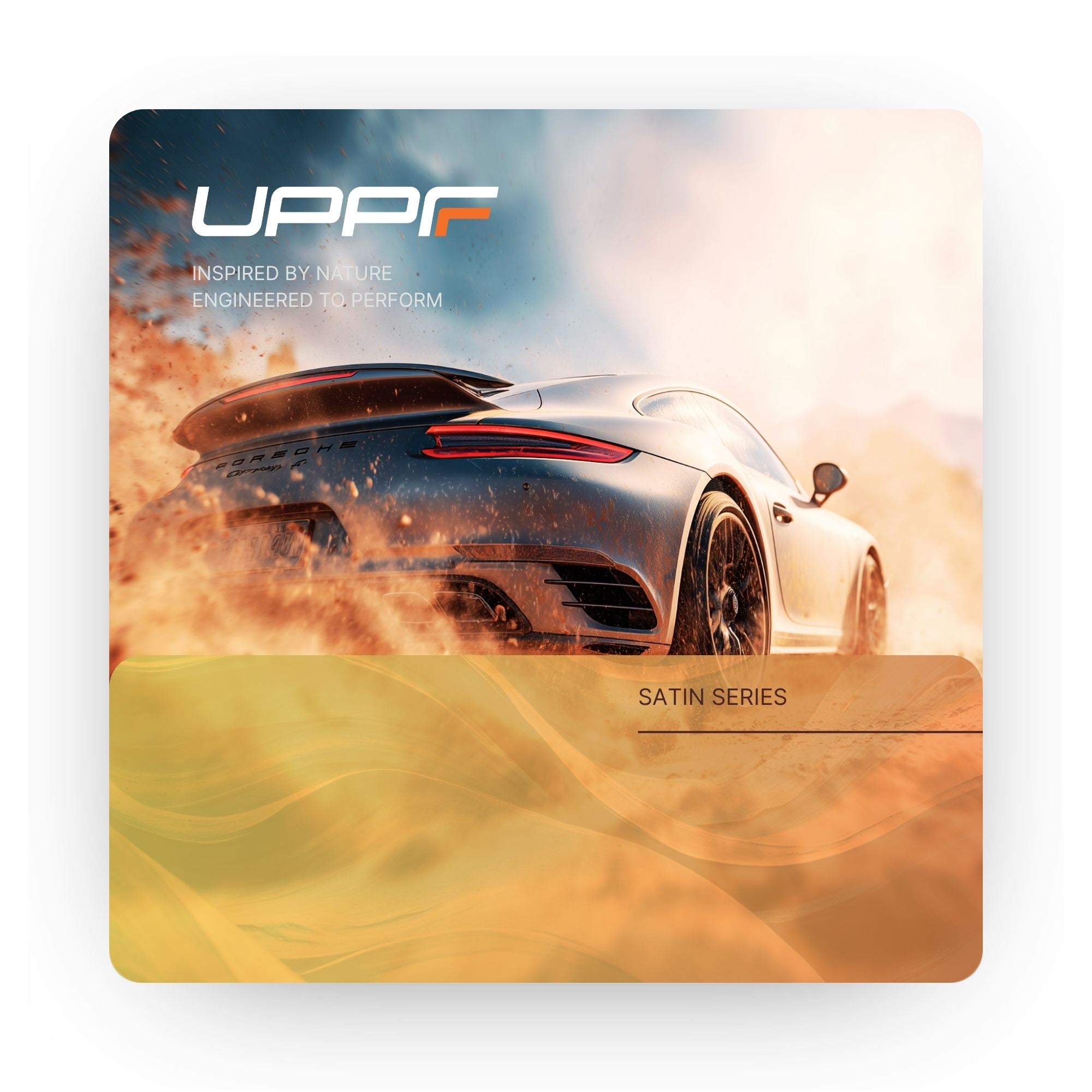
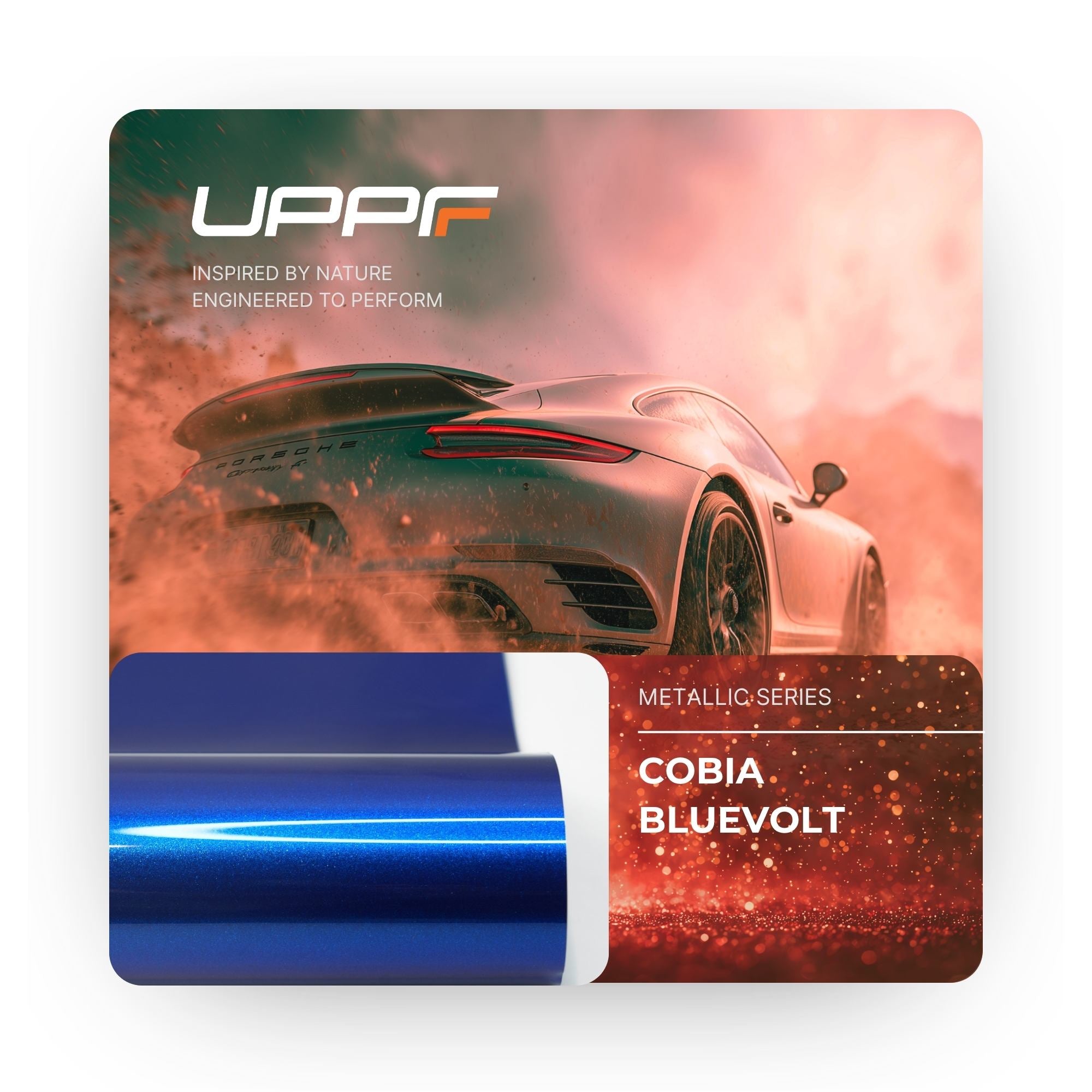
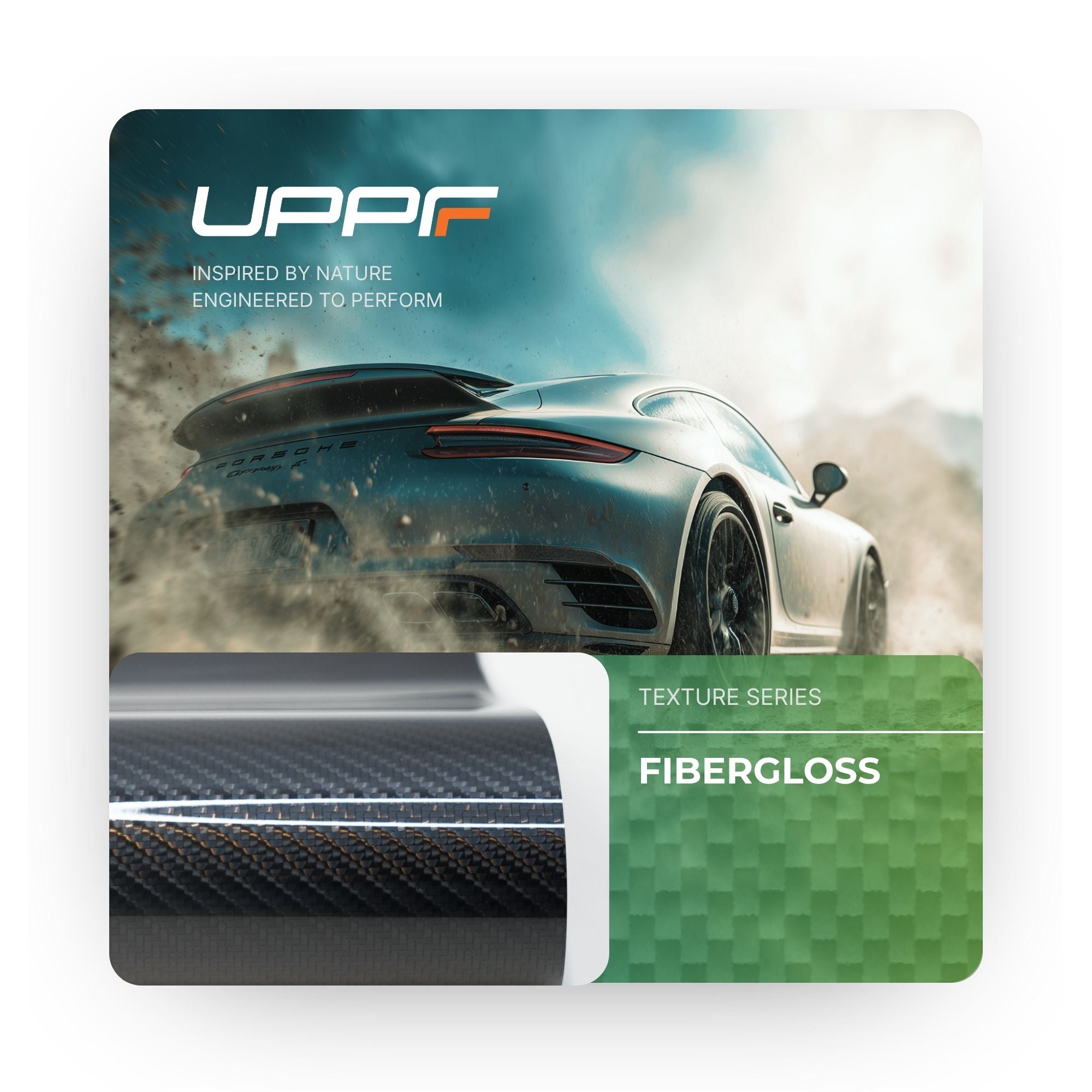
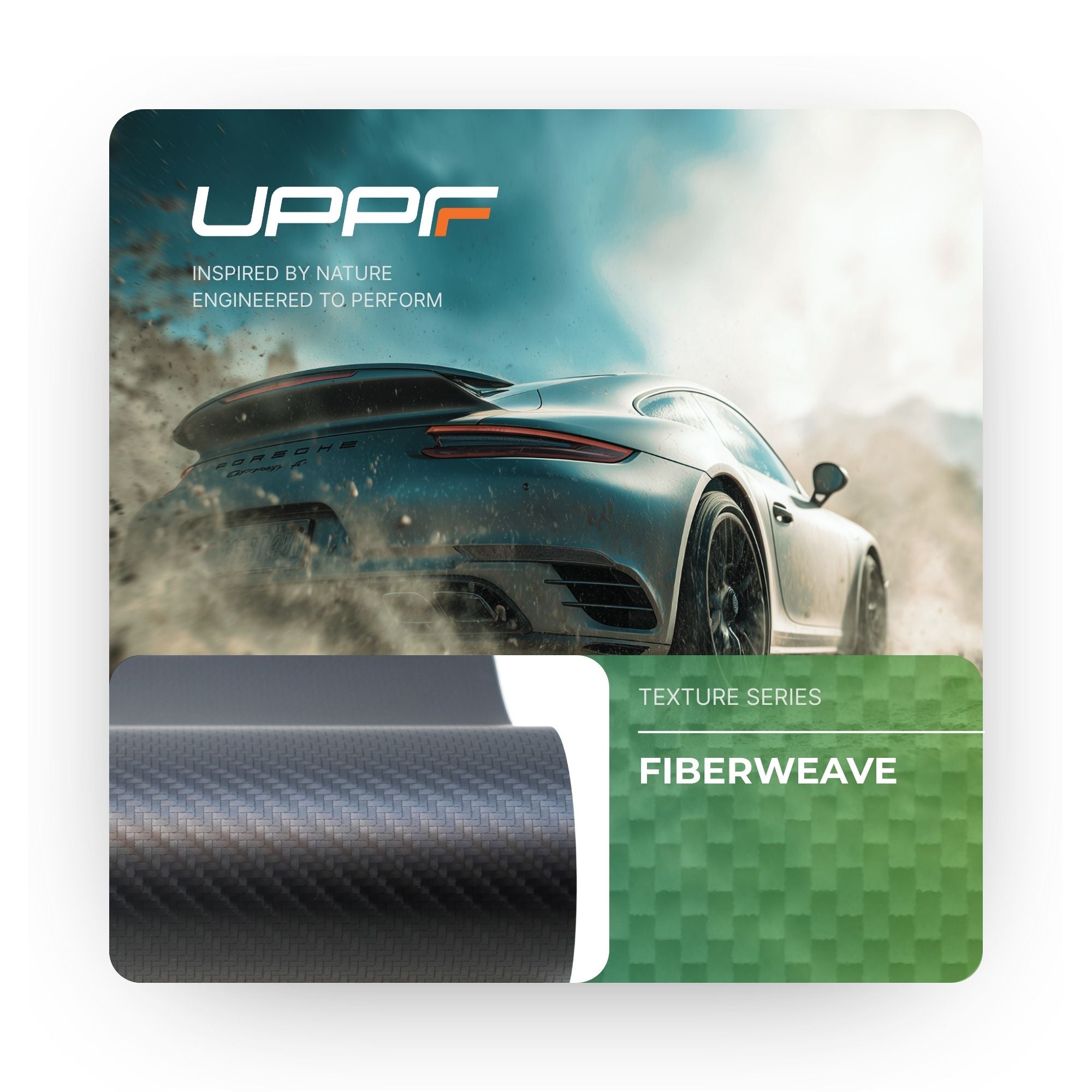
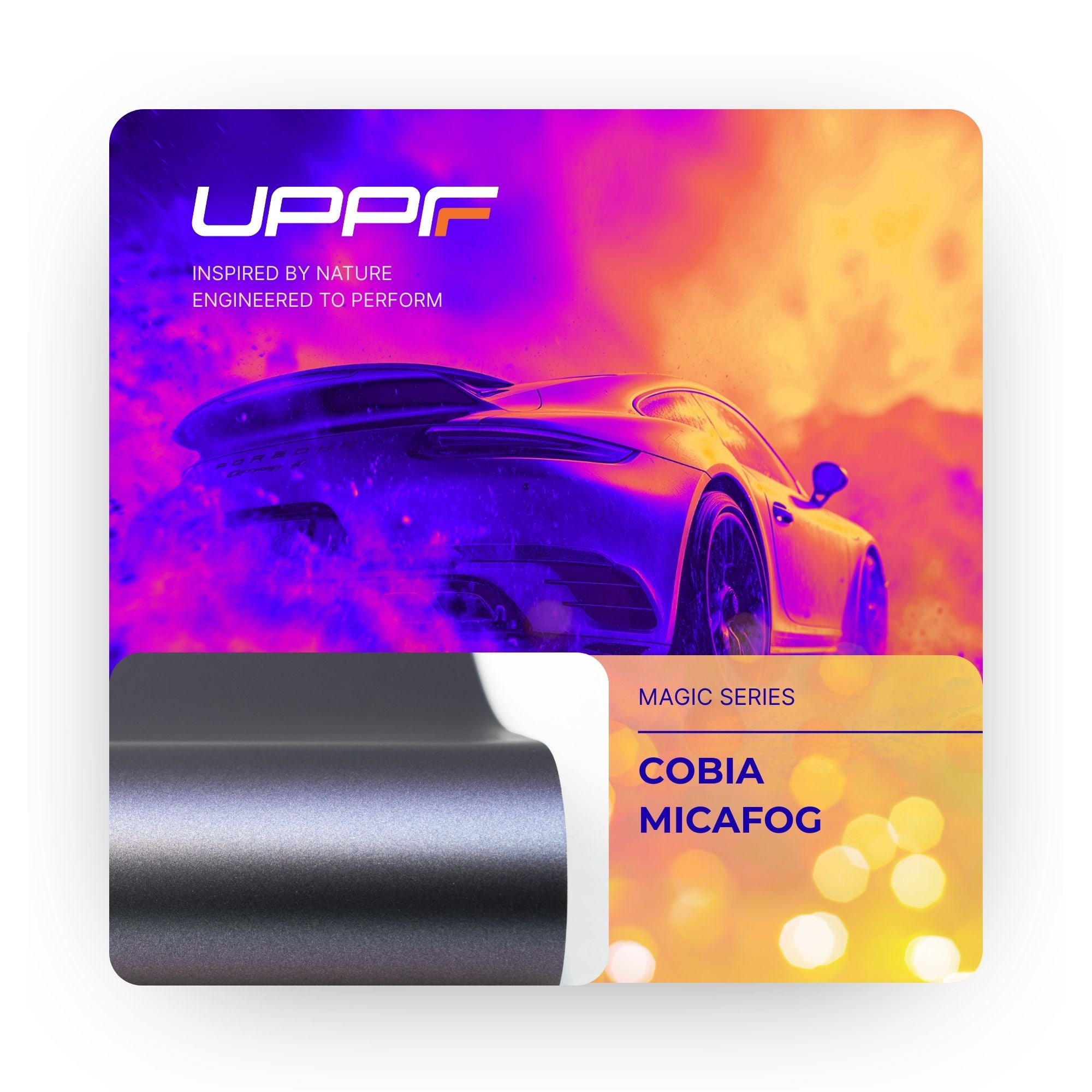
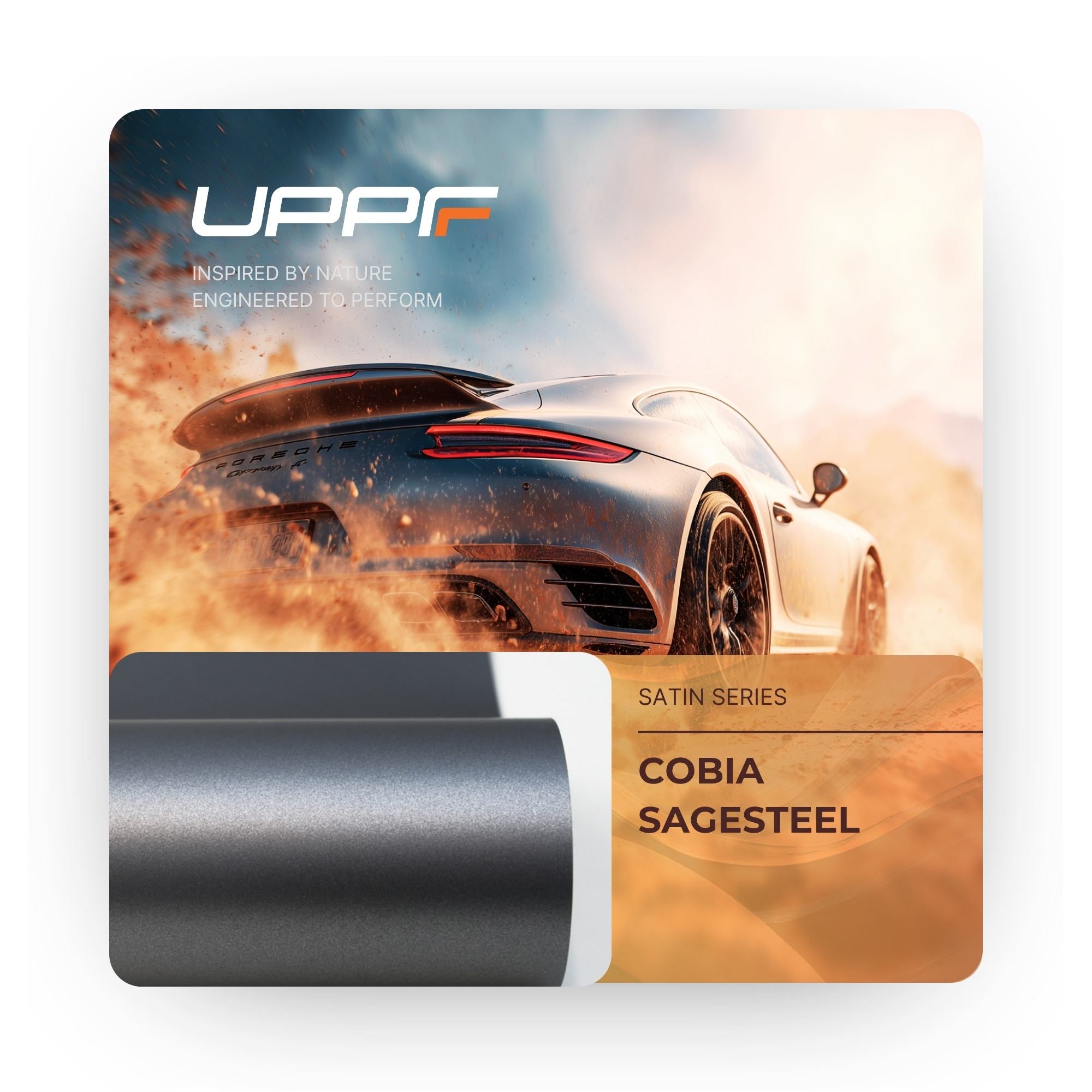
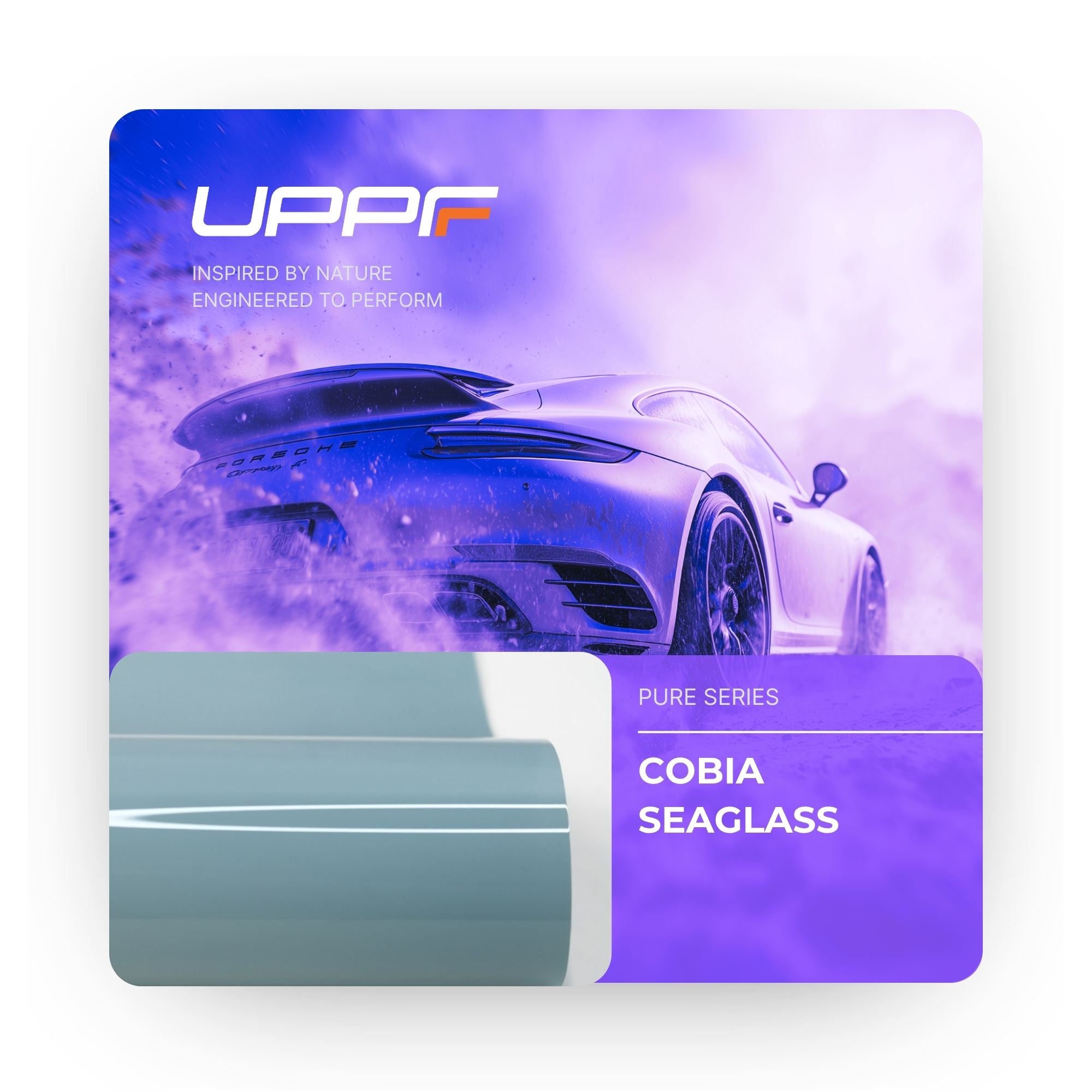
The centerpiece of UPPF's new color PPF offerings, Cobia Satin delivers a sleek, modern presence with refined, low-gloss depth and exciting new textures. Built on our Hammerhead Clear construct with Platicoat™ top-coat, it resists stains, sheds grime, and self-heals fine swirls. UPPF's satin finish reduces glare and amplifies body lines, turning your car into a softly sculpted, premium statement.
Unique semi-matte finish provides a futuristic yet understated look that stands out with its modern appearance.
Water Repellent
Hydrophobic Platicoat™ topcoat repels water, dirt, road grime, and other contaminants with its slick surface that prevents debris from adhering.
Self Heals
Our proprietary Platicoat™ topcoat automatically heals light scratches and swirl marks, restoring the surface to its original condition.
Anti-Yellowing
Our advanced adhesives and polyurethane formulations resist yellowing from UV exposure, maintaining the film's crystal clear appearance.
Predator Grade Protection
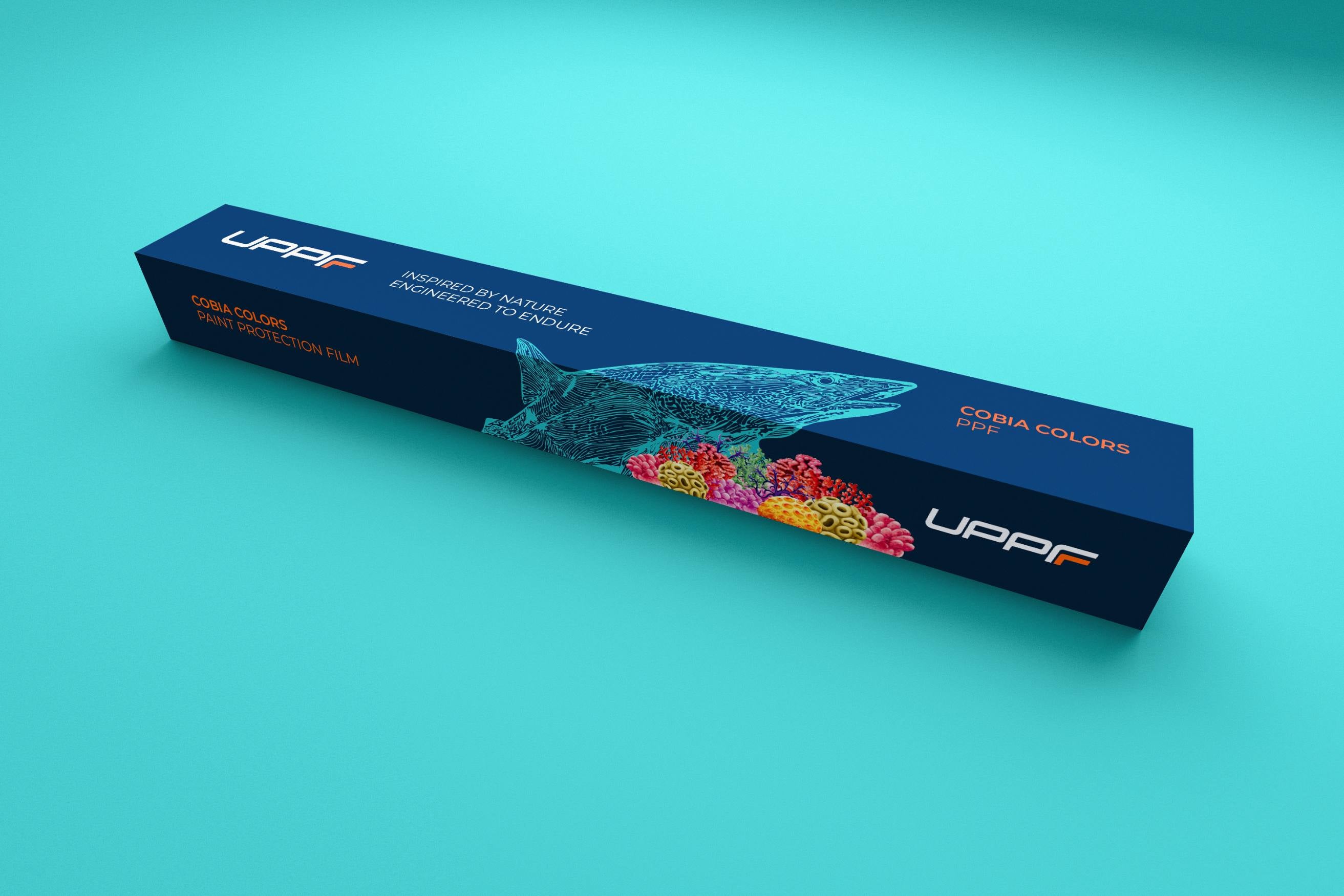
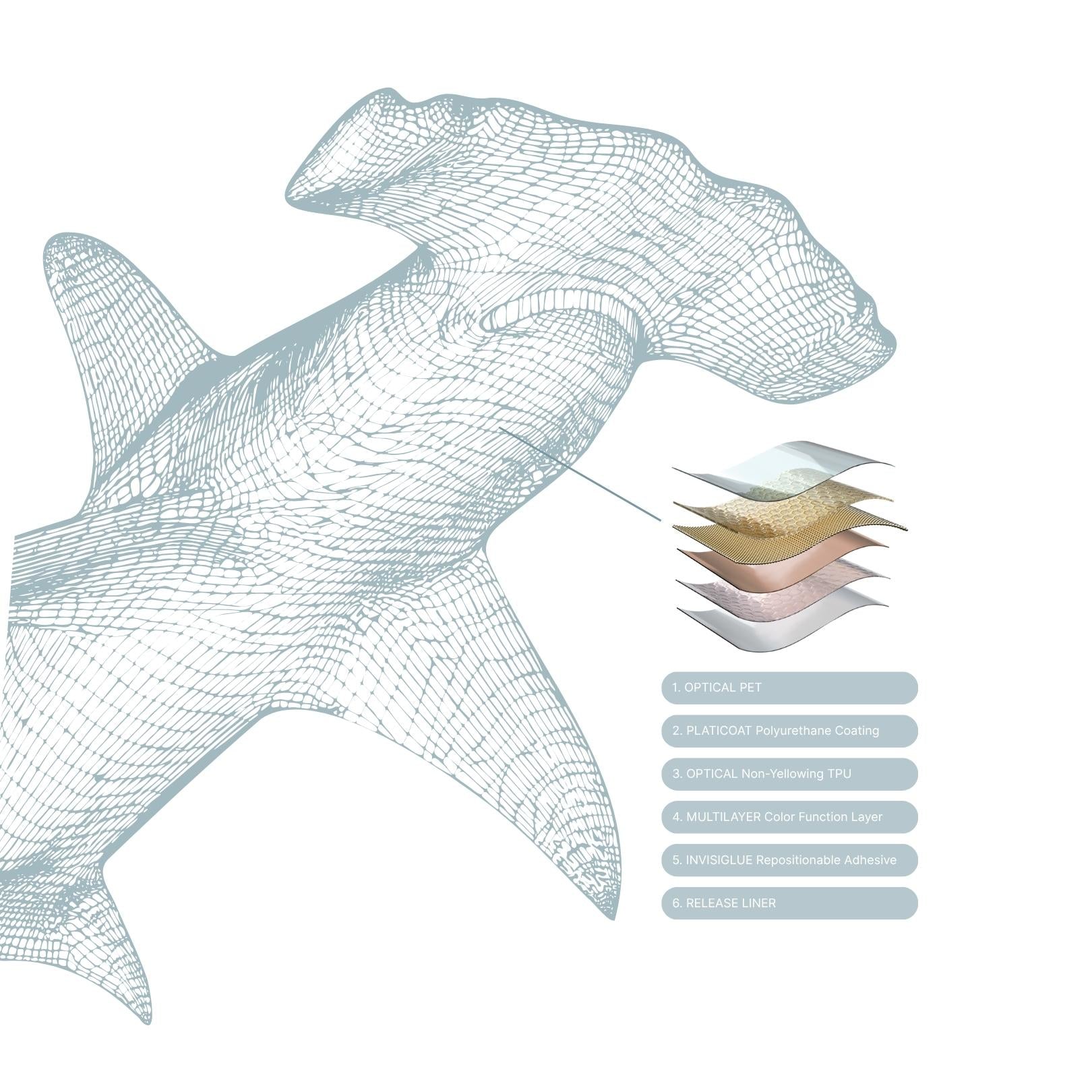
The science behind UPPF’s cutting-edge paint protection film technology is inspired by the placoid scales of sharks- super hard, low-drag microstructures that resist abrasion and contaminants. Mirroring that biology, our elastomeric TPU disperses impact and self-heals, while our proprietary PLATICOAT top-coat adds a densely cross-linked, hydrophobic, UV-stable surface. The result is optically clear protection that repels grime and remains vivid for years.
Our mission: top of the line protection at great value, what we call the “Golden Ratio". This unique calibration is what sets our products apart, delivering the performance the job demands without excess or compromise. We leverage our unique business model to incorporate the most advanced components and deliver outstanding quality at competitive prices.
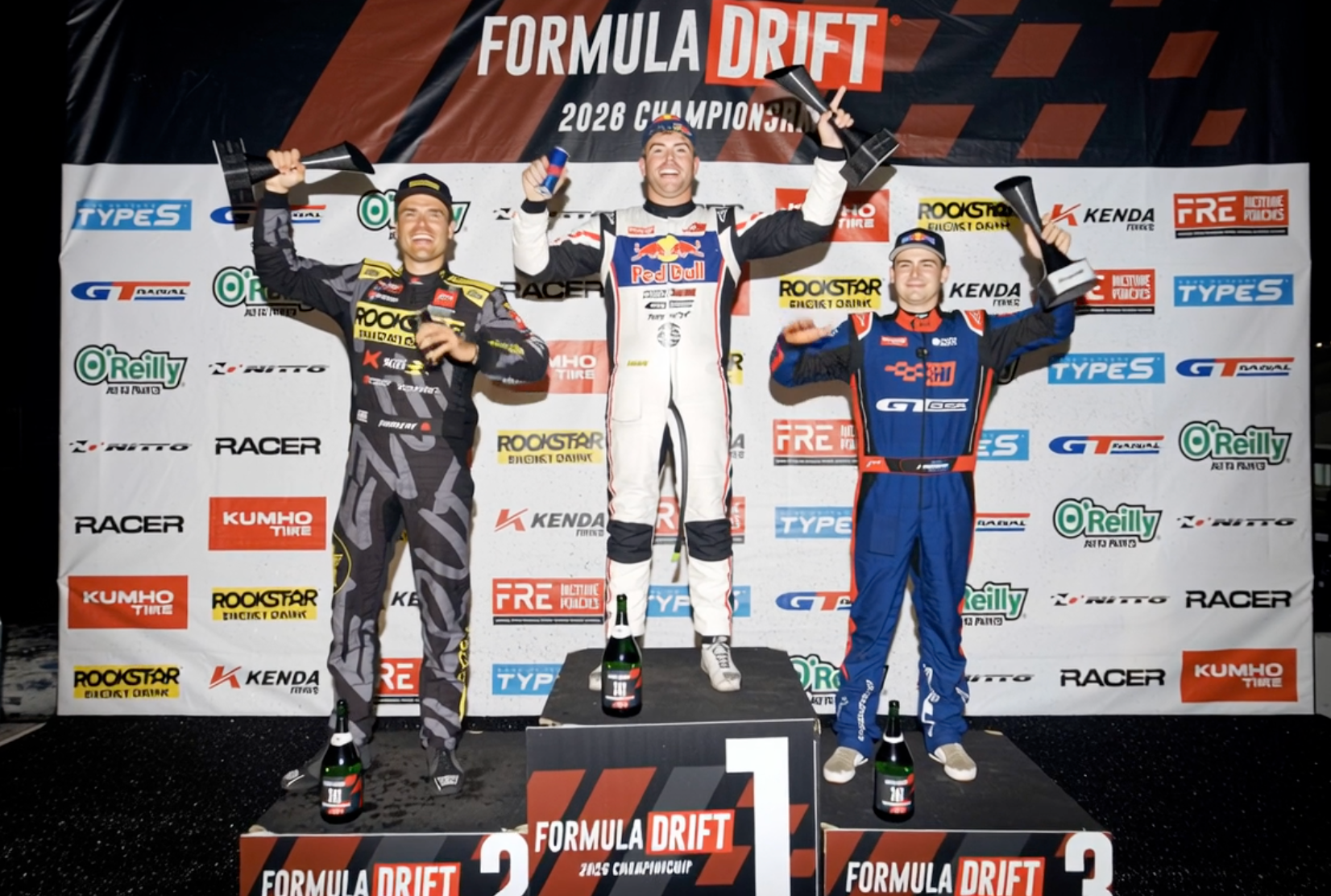
The Formula DRIFT stop at Evergreen Speedway has been on the calendar since 2006, and in every one of those 21 years it has run in daylight. This year it ran at night. Round 6 of the 2026 PRO season,...
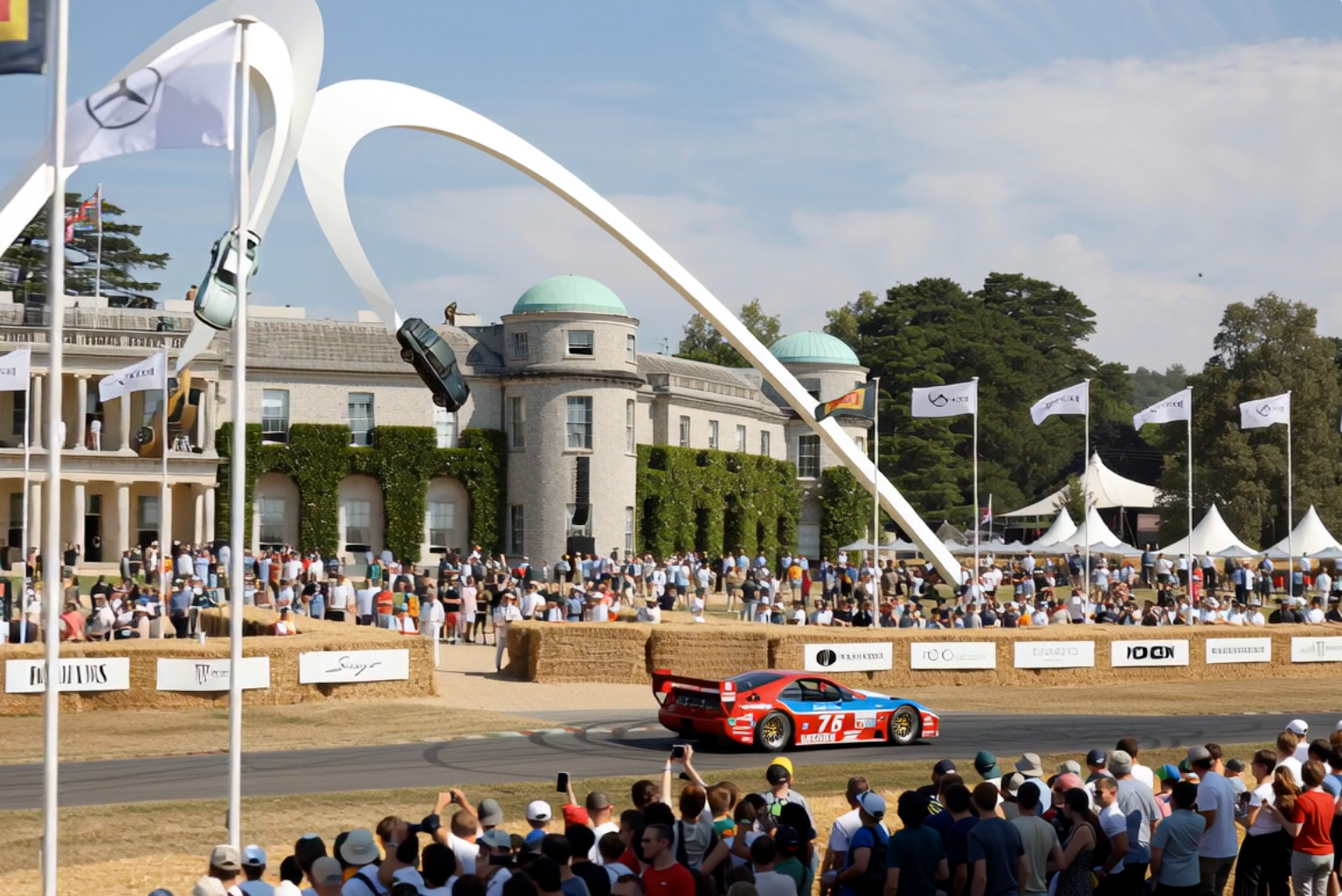
Same Car, Different Hill: Dumas Turns Goodwood Into Pikes Peak Round Two The preview two Mondays ago called Goodwood 2026 a heritage weekend, and it delivered on that promise. All three surviving Ford GT Mk IIs from the 1966 Le...
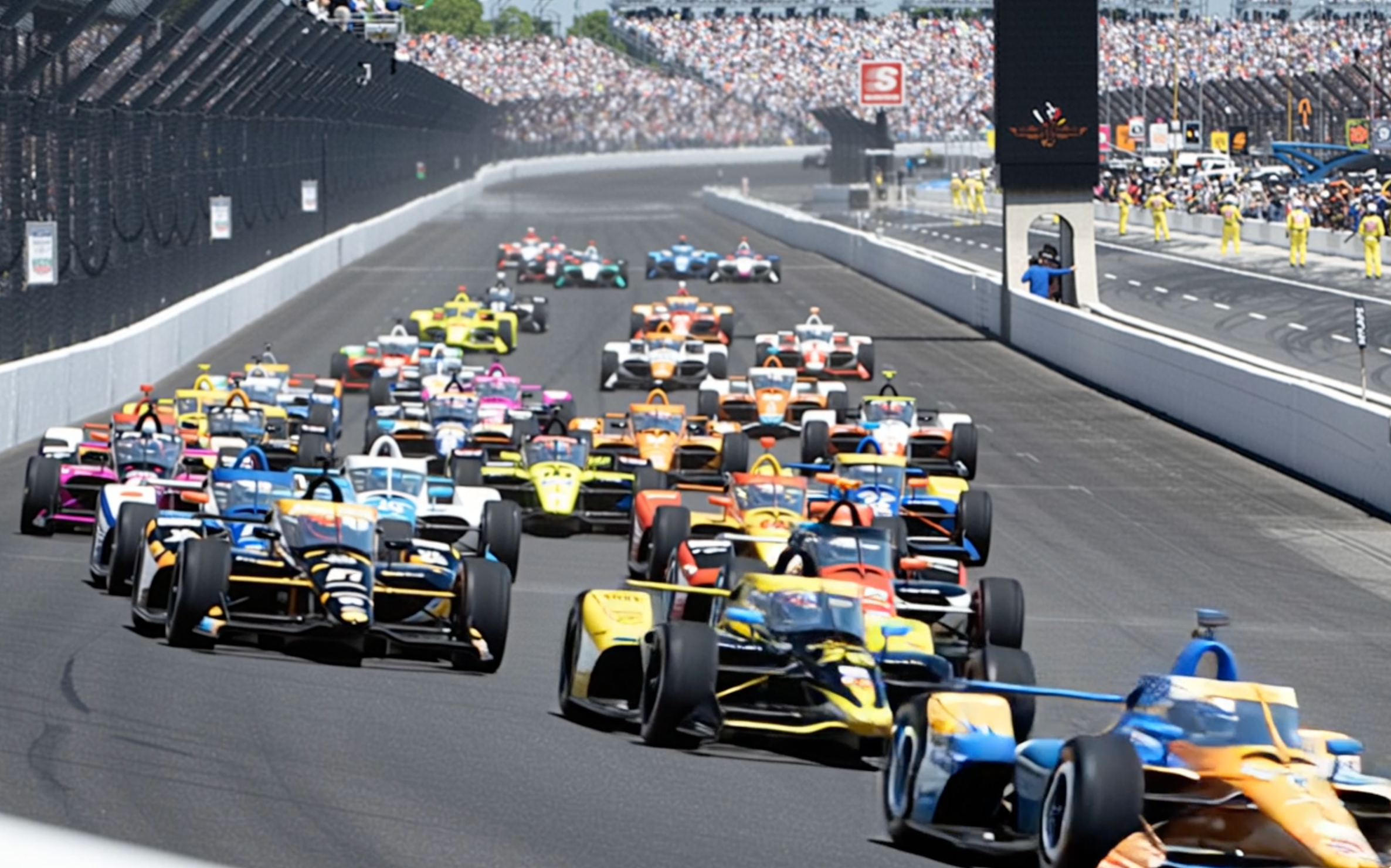
The race that I previewed seven days ago set the expectations: Alex Palou on pole at 232.248 mph, two-time defender Josef Newgarden buried in P24, four rookies including Mick Schumacher, and the looming question of whether the back half of...
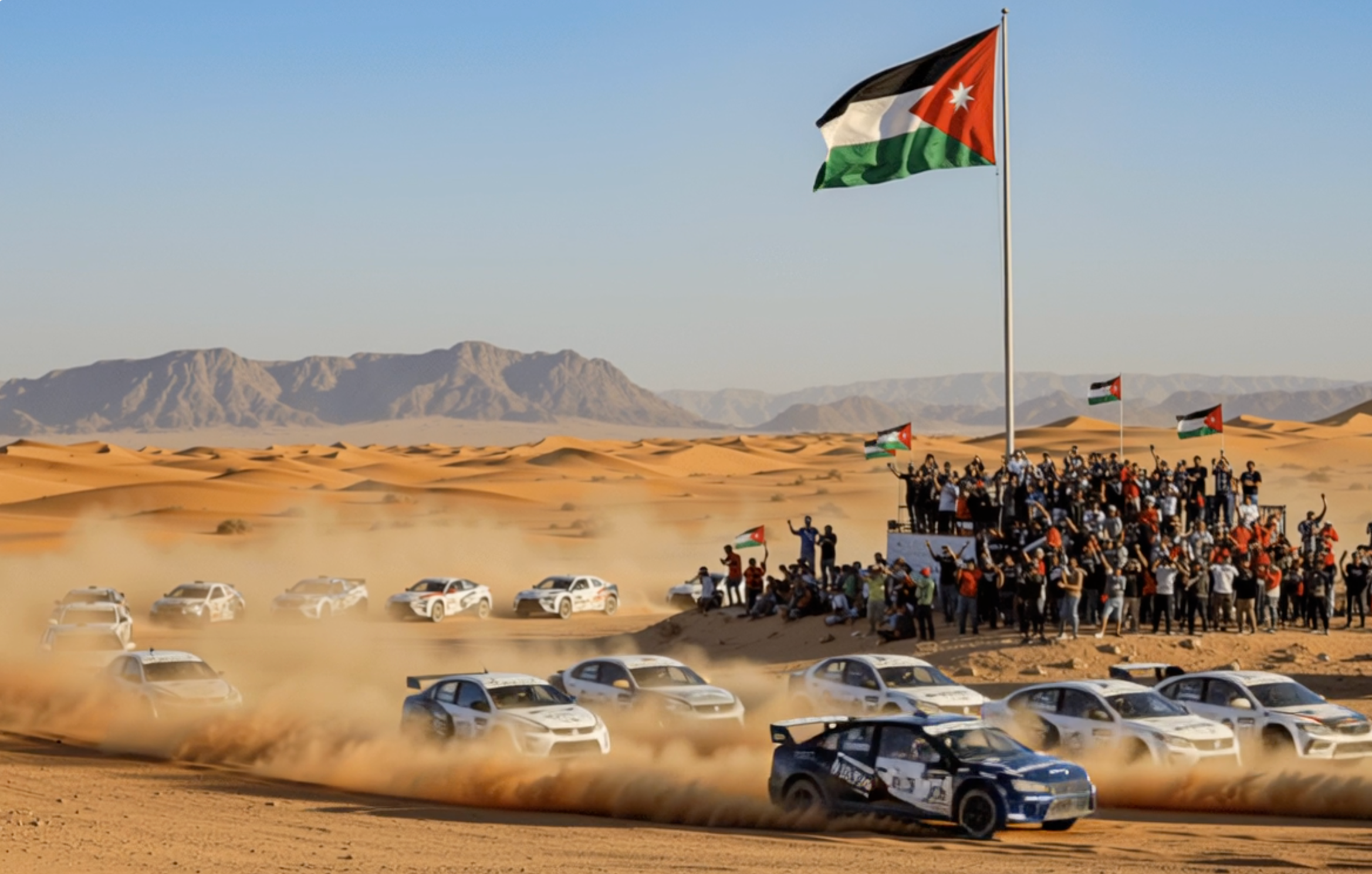
There is something about a rally that finishes at the lowest place on Earth that makes you take it more seriously than its sub-200-kilometer competitive distance suggests. The Jordan Rally returns May 14 to 16, 2026, as round three of...
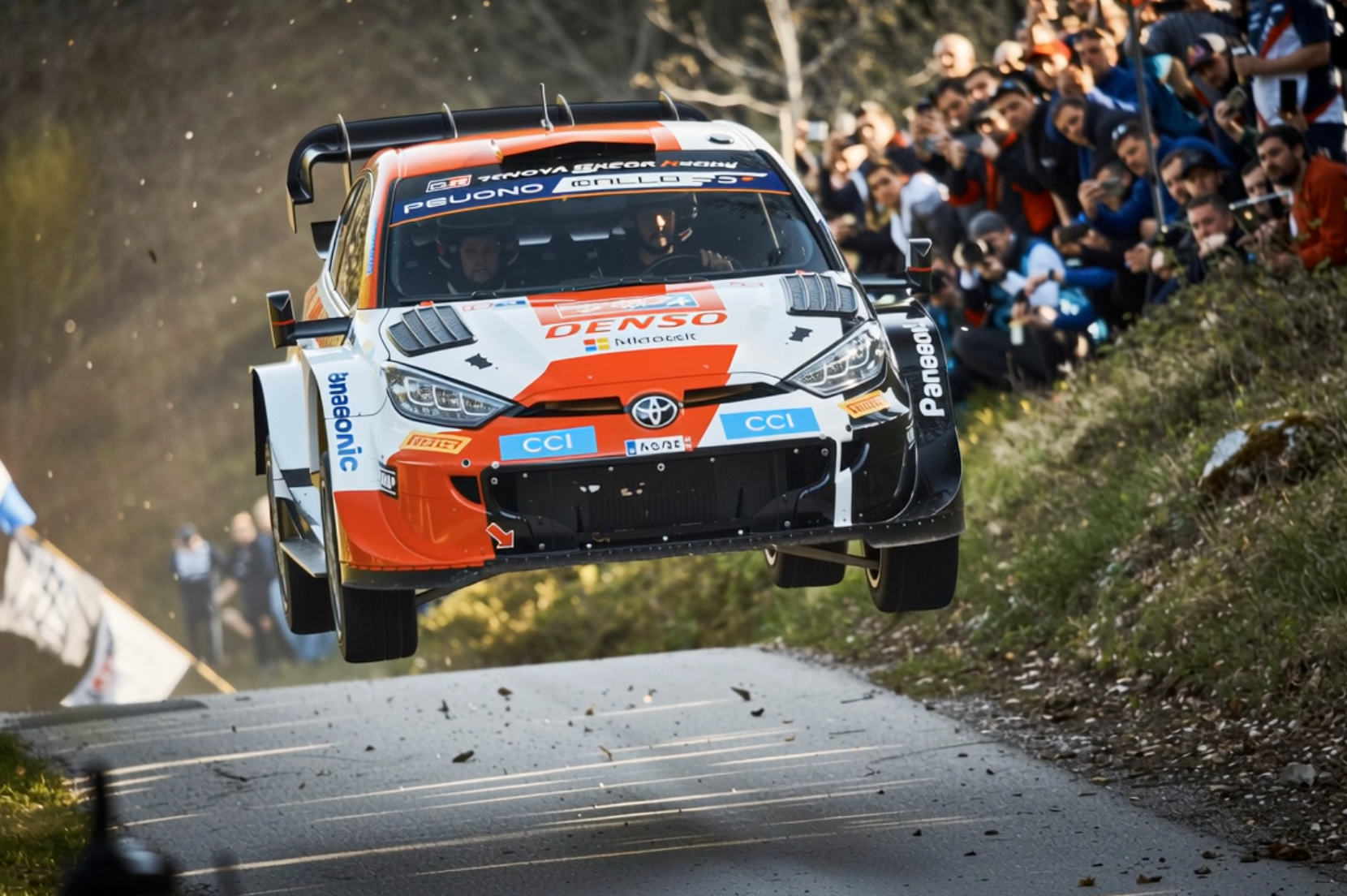
The WRC Croatia Rally debuted on the world championship calendar in 2021, became an instant tarmac classic, skipped 2025 entirely, and now returns April 9-12 as Round 4 of a championship that already looks nothing like anyone predicted. Three rounds...
On March 29, 2026, its 53-lap race delivered another chapter: 19-year-old Kimi Antonelli becoming the youngest multiple race winner and youngest championship leader in Formula 1 history.
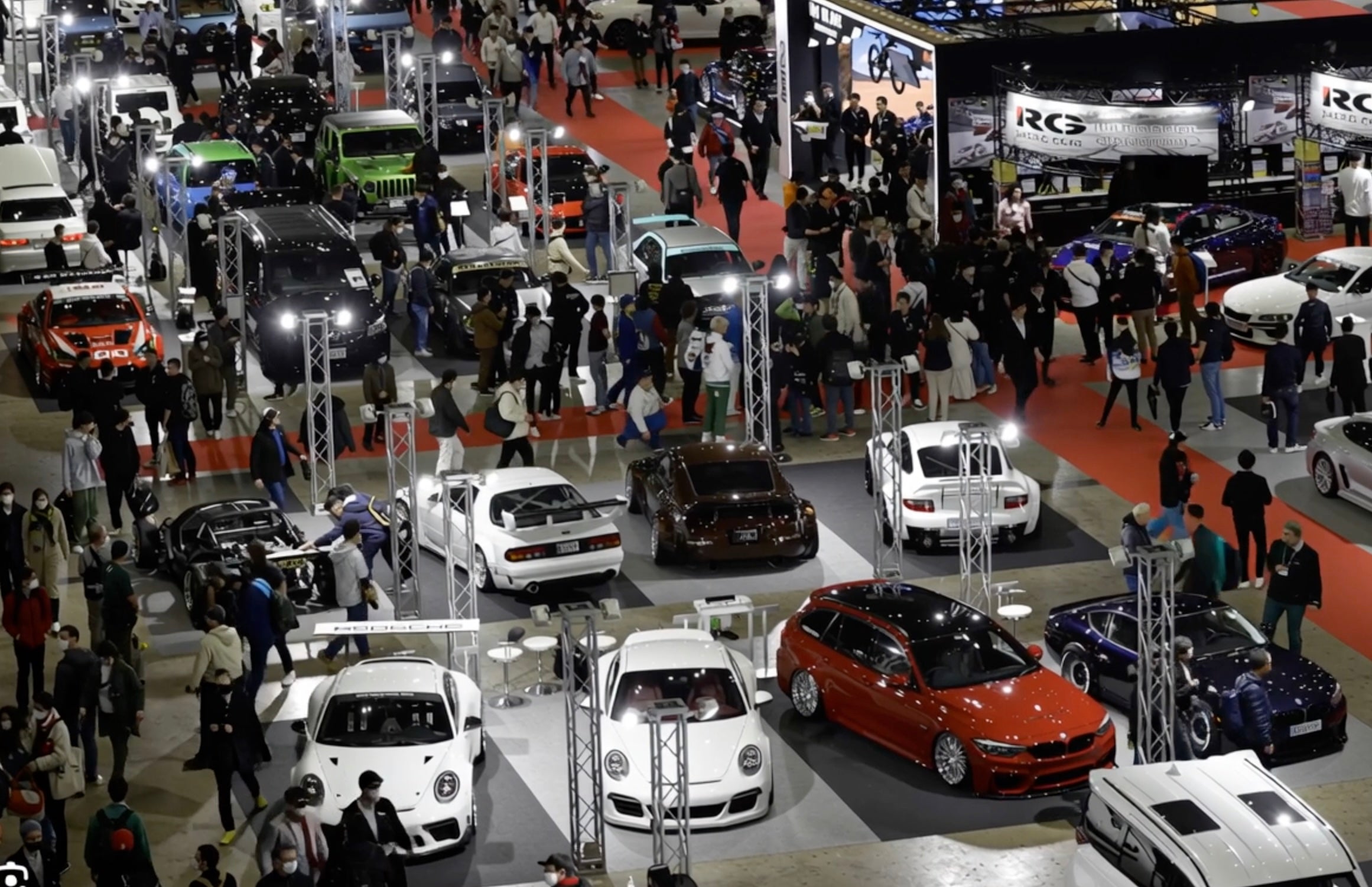
Tokyo Auto Salon 2026 at Makuhari Messe mixed OEM concepts and grassroots creativity, with Toyota’s GR GT3 Concept taking top honors amid renewed energy for tuning, materials innovation, and high-fitment EV conversions.
Budapest–Bamako Rally 2025 celebrated its 20th anniversary with a classic route from Hungary to Gambia, unpredictable desert drama, and another win for the seasoned Koros Auto Team. Organizers balanced tradition and adaptation on Africa’s toughest amateur stage.
UPPF COLOR PPF is the Cobia Colors line: a coloured paint protection film built on the same self-healing TPU base as our clear films, with the colour layer sealed beneath the Platicoat topcoat. It changes the car's finish and protects the paint underneath in a single layer.
Because it is a protective film first, it is heavier and more impact-absorbent than a cosmetic wrap, and the factory paint stays untouched beneath it.
How does COLOR PPF compare to vinyl?
The two products do different jobs. Cast vinyl wrap is a cosmetic finish, usually PVC-based. COLOR PPF is a protective film with a colour finish, built on a self-healing TPU base and run at a heavier gauge than typical wrap vinyl.
In practice that means COLOR PPF absorbs stone chips and swirl marks that vinyl would transmit to the paint underneath, and light scratches in the topcoat close with heat. Vinyl is the cheaper option and comes in a wider range of specialist patterns and textures. If the goal is appearance alone, vinyl does that job; if the goal is appearance plus paint protection, COLOR PPF is the product designed for it.
No, when it is installed and removed by an authorised installer. The adhesive is designed to release cleanly from cured factory paint, and while the film is on the car it shields the paint beneath it.
Two caveats are worth knowing. Paint that has been resprayed or touched up may not be fully cured, or may not bond as well as factory paint, so tell your installer about any previous bodywork. And film left well beyond its service life becomes harder to remove cleanly.
Up to 10 years with regular maintenance, which matches the limited warranty term. Actual service life depends on climate, how the car is stored and washed, and how much direct sun and road debris it takes.
Cars kept outdoors in strong UV and heat sit at the shorter end of that range. Garaged cars washed with a pH-neutral shampoo sit at the longer end.
Three things matter most: wash it regularly with a pH-neutral shampoo and a microfibre mitt, have an authorised installer inspect it once a year, and keep film edges free of trapped grit. A film-safe ceramic coating is optional. It adds gloss and makes cleaning easier, but it is not required for the film to perform or for warranty coverage to apply.
Your installer provides the aftercare instructions specific to the film fitted to your vehicle.
Wait 72 hours after installation before the first wash, so the adhesive can fully cure. After that, hand washing is the recommended method: a pH-neutral car shampoo, two buckets, and a clean microfibre mitt. Touchless automatic washes are acceptable. Avoid brush-type automatic washes, and do not aim a pressure washer directly at film edges.
Yes. UPPF COLOR PPF carries a limited 10-year warranty against manufacturing defects: yellowing, blistering, cracking and delamination.
This is defect coverage. It does not cover damage from road debris and stone chips, accidents, improper washing, chemical or environmental fallout, or installation faults. Coverage requires installation by an authorised installer and registration of the film's roll number. Your installer provides the full written terms at handover.
Can COLOR PPF be repaired if damaged?
Damaged COLOR PPF is replaced rather than repaired, and replacement is done panel by panel, so a single damaged panel does not require re-filming the whole vehicle. Light surface scratching in the topcoat self-heals with heat. Cuts, tears and impact damage that reach the adhesive layer need the film on that panel removed and re-applied by an authorised installer.
One limitation to be aware of: replacement film can differ slightly in shade from film that has already spent time on the vehicle, because of production batch variation and weathering. On a highly visible panel, ask your installer whether re-filming the adjacent panels will give a closer match.
Is COLOR PPF compatible with ceramic coatings?
Yes. COLOR PPF accepts ceramic coatings that are formulated for use over paint protection film. A coating adds gloss and makes the surface easier to clean. It does not change the film's self-healing behaviour, and it does not alter the warranty terms.
Use a coating your installer confirms is film-safe. Some coatings intended for bare paint contain solvents that can haze a TPU topcoat.
How do I get COLOR PPF installed?
Installation is through an authorised UPPF installer. They will assess the paint condition, confirm the colour against a physical sample rather than a screen, agree the coverage (full car or specific panels), and quote the work.
Ask to see the film on a sample panel before committing. Colour reads differently over different base paints, and a sample against your own car is the only reliable preview.
What's the difference between General PPF and Satin PPF?
Both are the same protective film with a different surface finish. Clear PPF is transparent and keeps the paint's original gloss. Satin PPF has a matte topcoat that turns a gloss finish flat.
Protection is equivalent: same TPU base, same chip and abrasion resistance. The practical difference is repair. Satin cannot be polished, because polishing burnishes the matte texture into shiny patches, so damaged satin film is replaced rather than corrected.
Are Satin PPF hard to maintain?
Not difficult, but the rules are stricter than for gloss. Wash with a pH-neutral shampoo and a microfibre mitt as normal. The satin texture hides light dust and minor imperfections well.
What must be avoided is anything abrasive or gloss-enhancing: no polish, no compound, and no wax or sealant intended to add shine. These leave permanent shiny patches in the matte surface. Use products labelled satin- or matte-safe, and clean bird droppings and tree sap promptly, as a textured surface holds them slightly longer than gloss.
Can UPPF Paint Protection Film self-heal scratches?
Yes, within limits. The Platicoat topcoat is elastomeric, so light scratches and swirl marks close as the surface returns to shape. Warmth speeds this up: direct sun, warm water, or a hair dryer held at moderate heat and distance.
What self-heals is damage confined to the topcoat. Cuts that reach the TPU layer or the adhesive will not close, and neither will impact damage or deep gouges. Those need the film on that panel replaced by an authorised installer.