

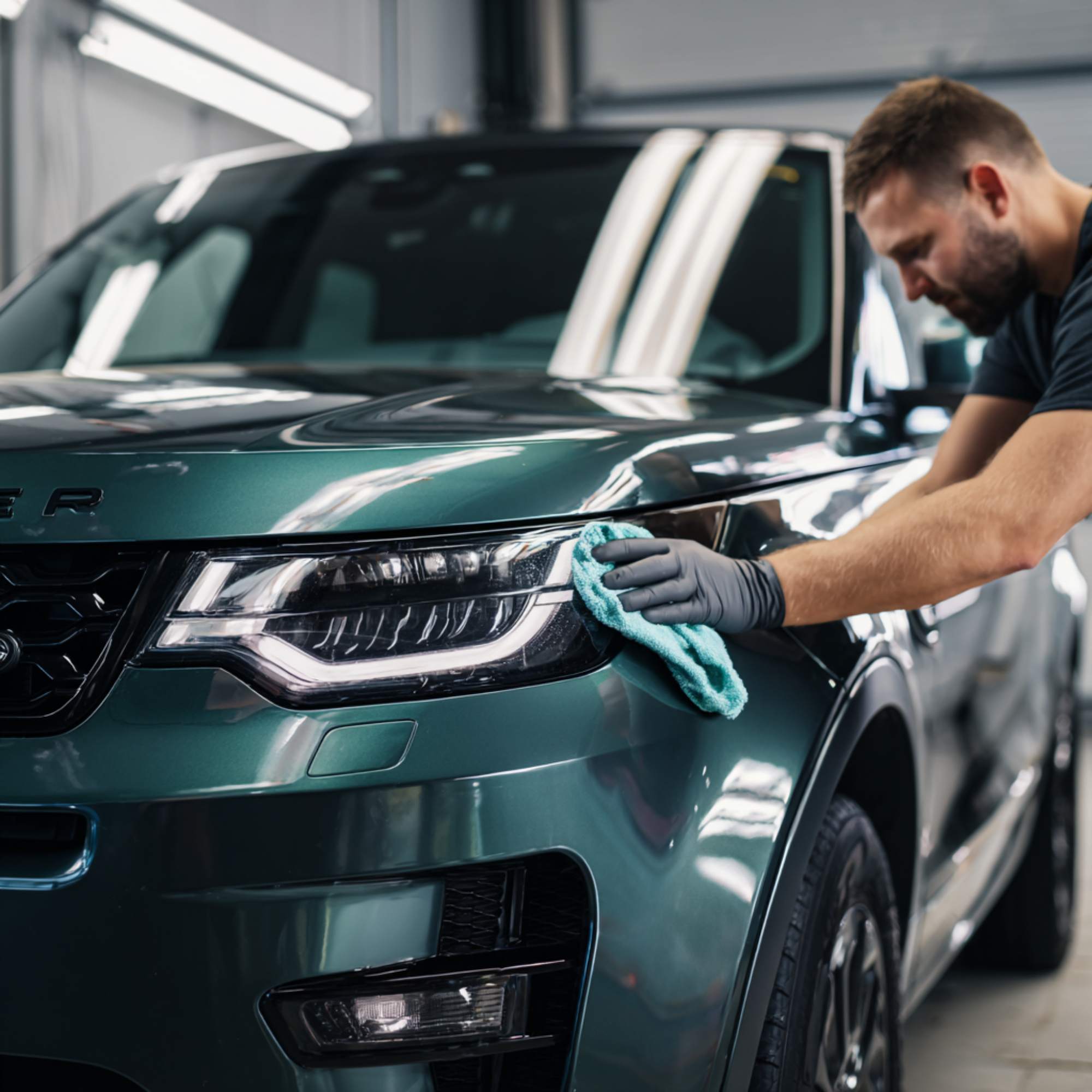
Can I use pressure washers on PPF?
Yes, but with strict precautions. Keep pressure under 2000 PSI with a 40-degree nozzle, maintaining 12-18 inches distance from the surface. Never spray directly at film edges or seams; this causes lifting and delamination that compromises protection.
Critical Safety Guidelines
Use wide-angle spray patterns and gentle, sweeping motions rather than concentrated streams. Optimal pressure ranges from 1200-1800 PSI, significantly lower than typical automotive washing pressures. Avoid hot water entirely, as heat softens adhesives and increases vulnerability.
High-Risk Areas
Film edges represent the greatest vulnerability. Direct pressure can penetrate beneath edges, causing irreversible lifting that requires professional repair or replacement. Seams and overlaps require particular caution, as these junction points experience the highest stress during pressure washing.
Recommended Technique
Start with a gentle rinse to remove loose debris, then apply foam using a foam cannon before pressure rinsing. Spray at 45-degree angles away from edges rather than perpendicular to the surface. This directional approach prevents water from forcing underneath the film while maintaining effective cleaning.

When to Avoid Pressure Washing
Skip pressure washing if PPF shows lifting, bubbling, or aging beyond 7-10 years. Hand washing with microfiber cloths and pH-neutral soap provides safer cleaning for compromised films. Professional detailers recommend pressure washing only for well-bonded, recently installed films in excellent condition.






Share:
Can PPF be installed on any vehicle or are there limitations?
How long does PPF installation take?