

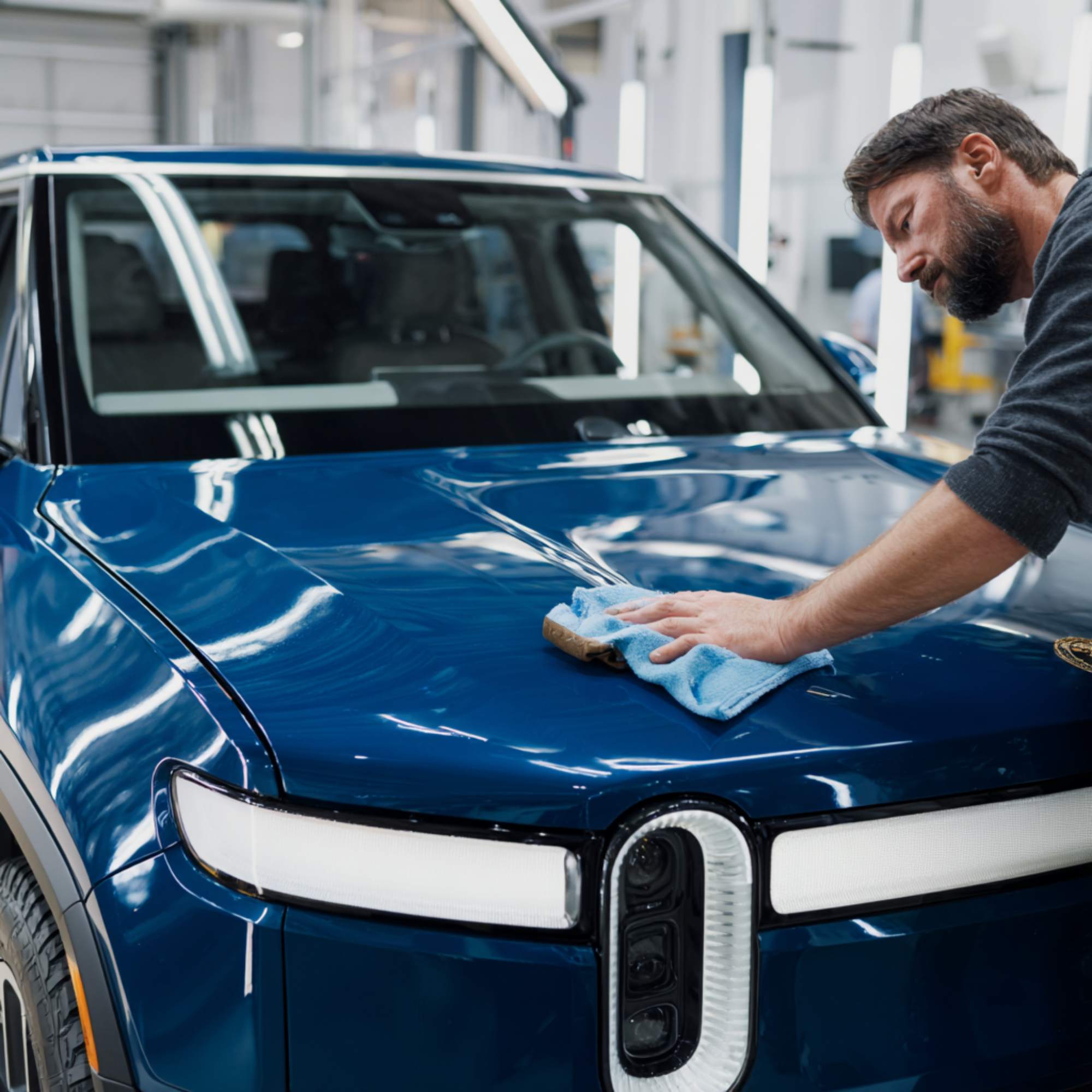
What Happens to PPF in Extreme Weather Conditions?
PPF demonstrates remarkable resilience in extreme weather, though specific challenges emerge in both hot and cold conditions. Quality films are engineered to withstand temperatures ranging from -40°F to 200°F without compromising protective capabilities.

Hot Weather Effects
Extreme heat causes PPF to soften, making it more susceptible to minor impacts and potential edge lifting as adhesive properties weaken. However, prolonged UV exposure remains the primary concern, as it can accelerate molecular breakdown and yellowing in inferior films.
Cold Weather Performance
In freezing temperatures, PPF becomes stiffer and less elastic, increasing vulnerability to cracking around edges and corners. Freeze-thaw cycles can reduce elasticity by more than 30%, creating microscopic stress points that compromise structural integrity over time.

Winter-Specific Challenges
Road salt poses significant threats, but quality PPF acts as an inert barrier that prevents chemical reactions with underlying paint. The hydrophobic properties of modern films help ice and snow slide off more easily, reducing dangerous buildup.
Protective Advantages
Despite these challenges, PPF provides 30%+ reduction in paint damage over five years in severe weather regions. The film's self-healing properties continue functioning in moderate temperatures, though cold weather temporarily delays healing until warming occurs.
Modern PPF formulations incorporate UV stabilizers, thermal resistance additives, and advanced polymer blends specifically designed for extreme conditions, making proper material selection and professional installation critical for optimal performance.






Share:
The 2025 Tainan Auto Show in Taiwan
How long should I wait before washing my car after PPF installation?