



Manta Sunroof Films

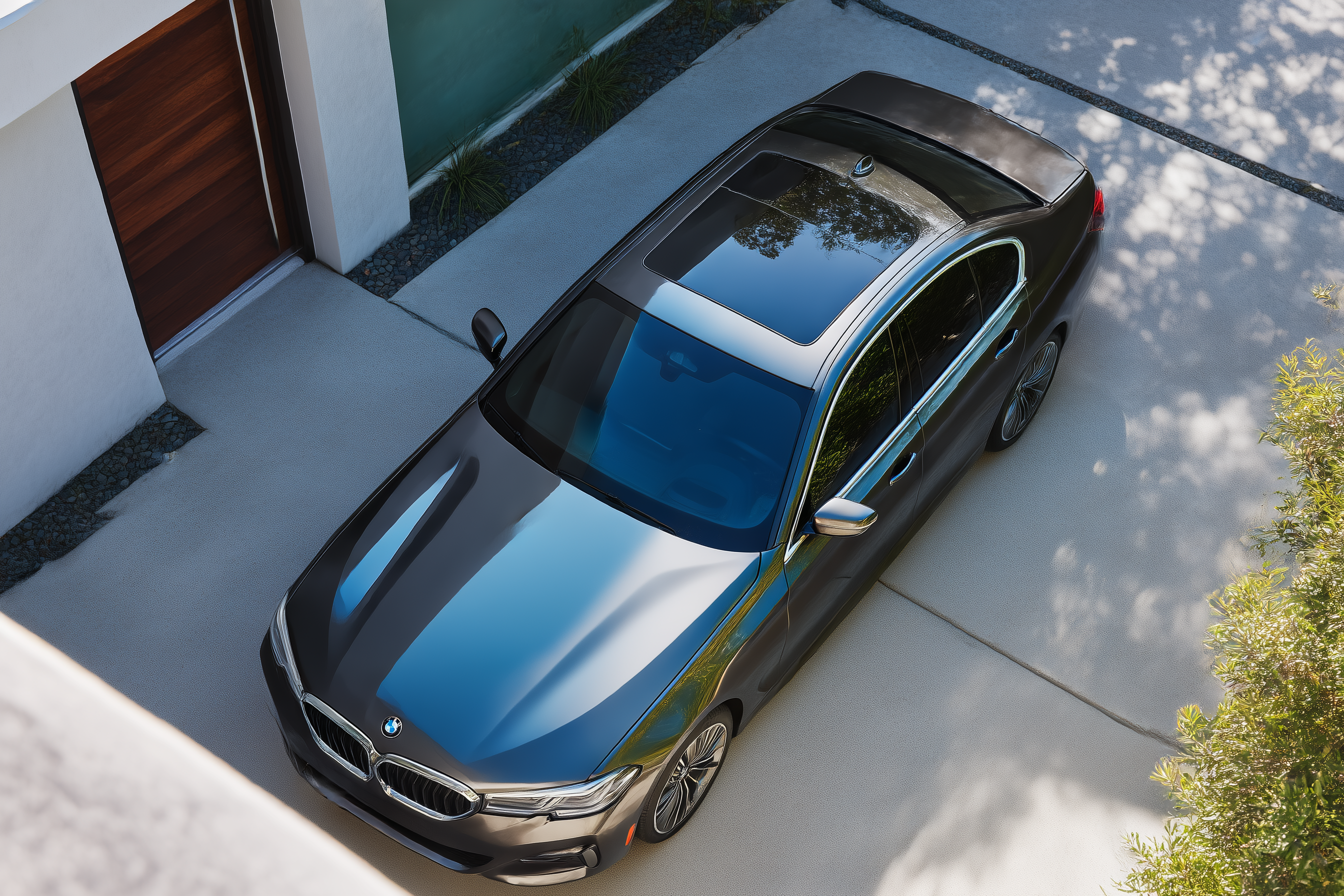
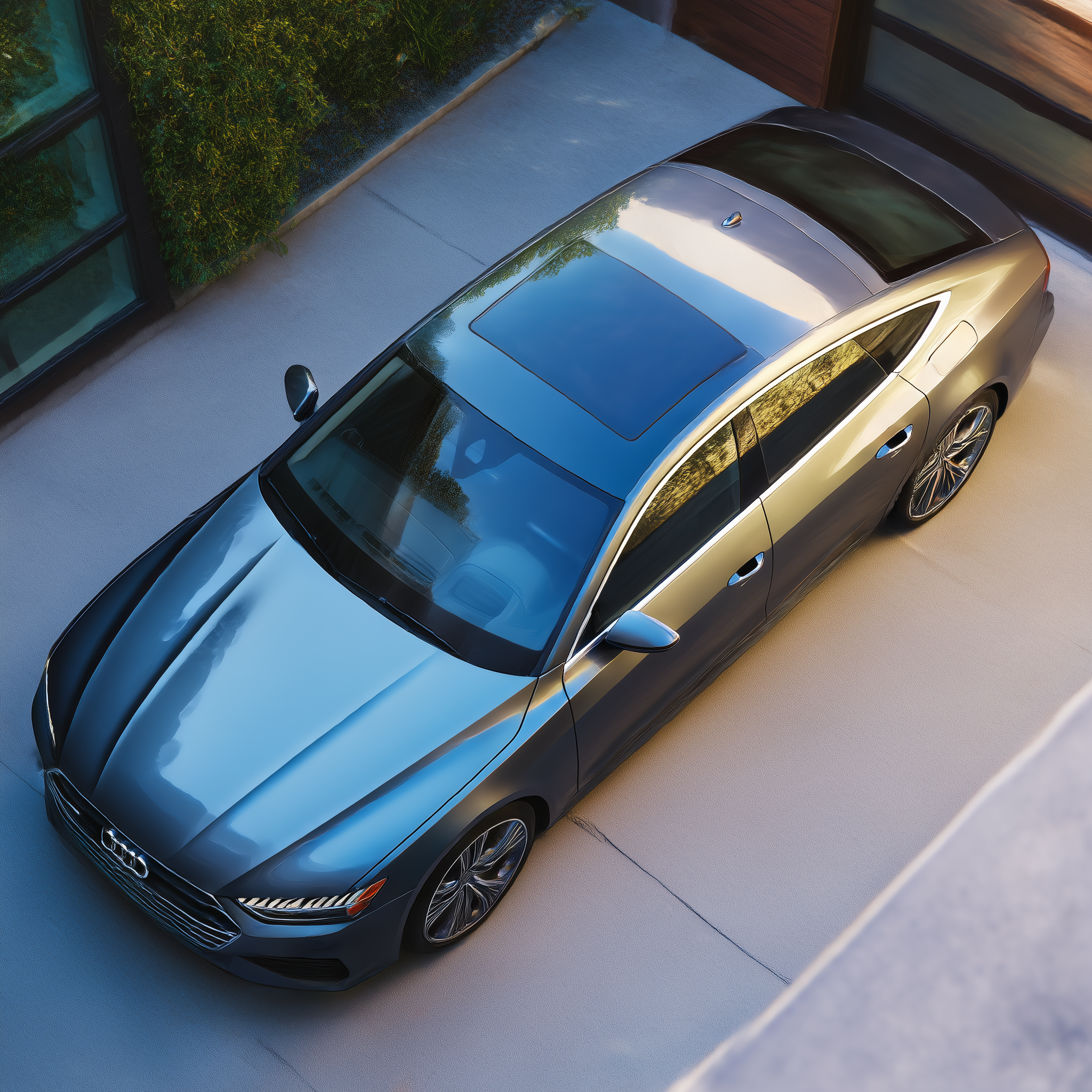
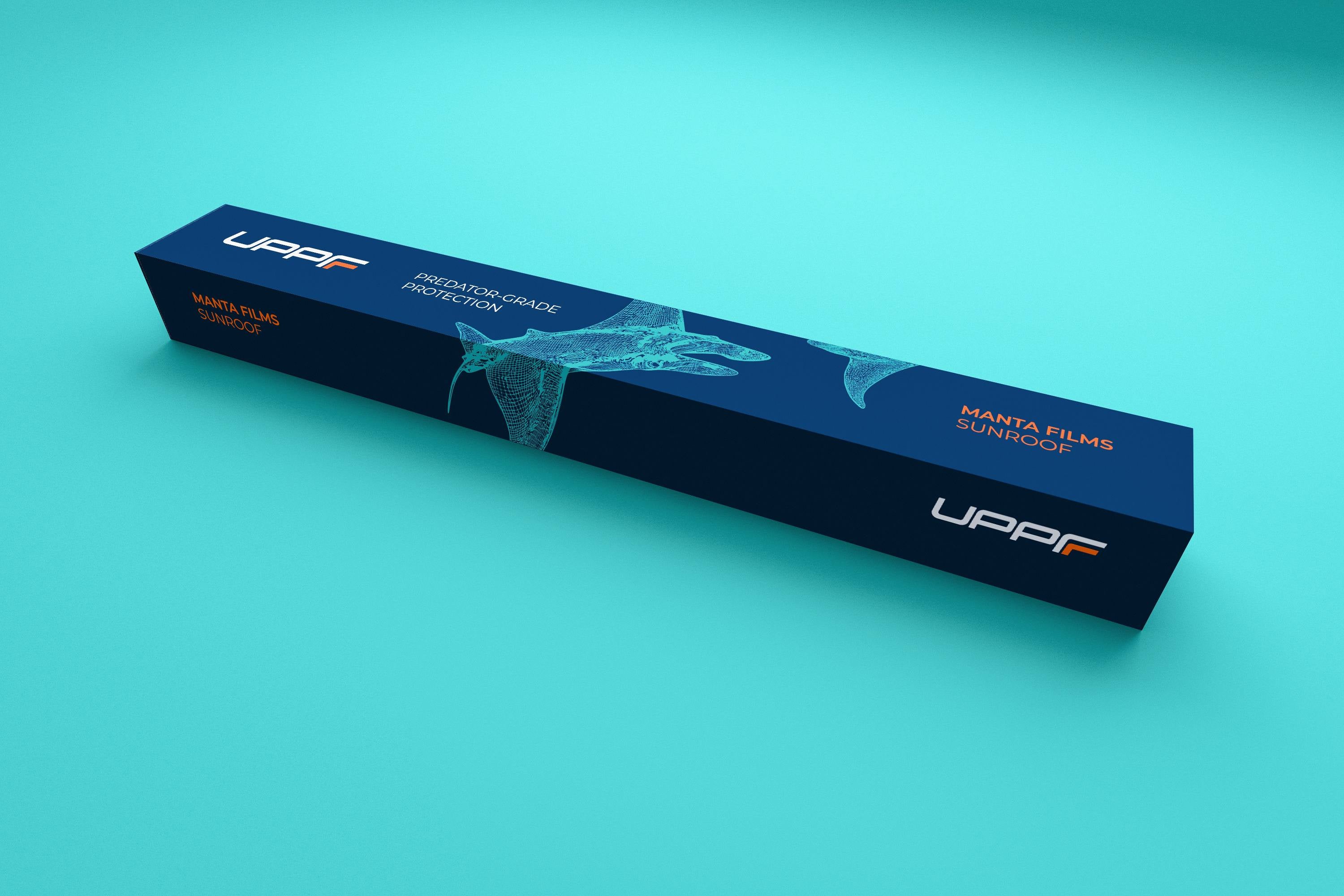
Manta Sunroof Films are exterior-installed, TPU-based protection films engineered specifically for panoramic and standard sunroofs. At a robust 8mil thickness, they add real impact and scratch resistance on the outside, helping guard against stone chips, weathering, and daily wear.

At the same time, they deliver powerful cabin comfort with ~90% IRR heat rejection, reducing heat build-up while preserving a clean, OEM-style look.

Predator Grade Protection

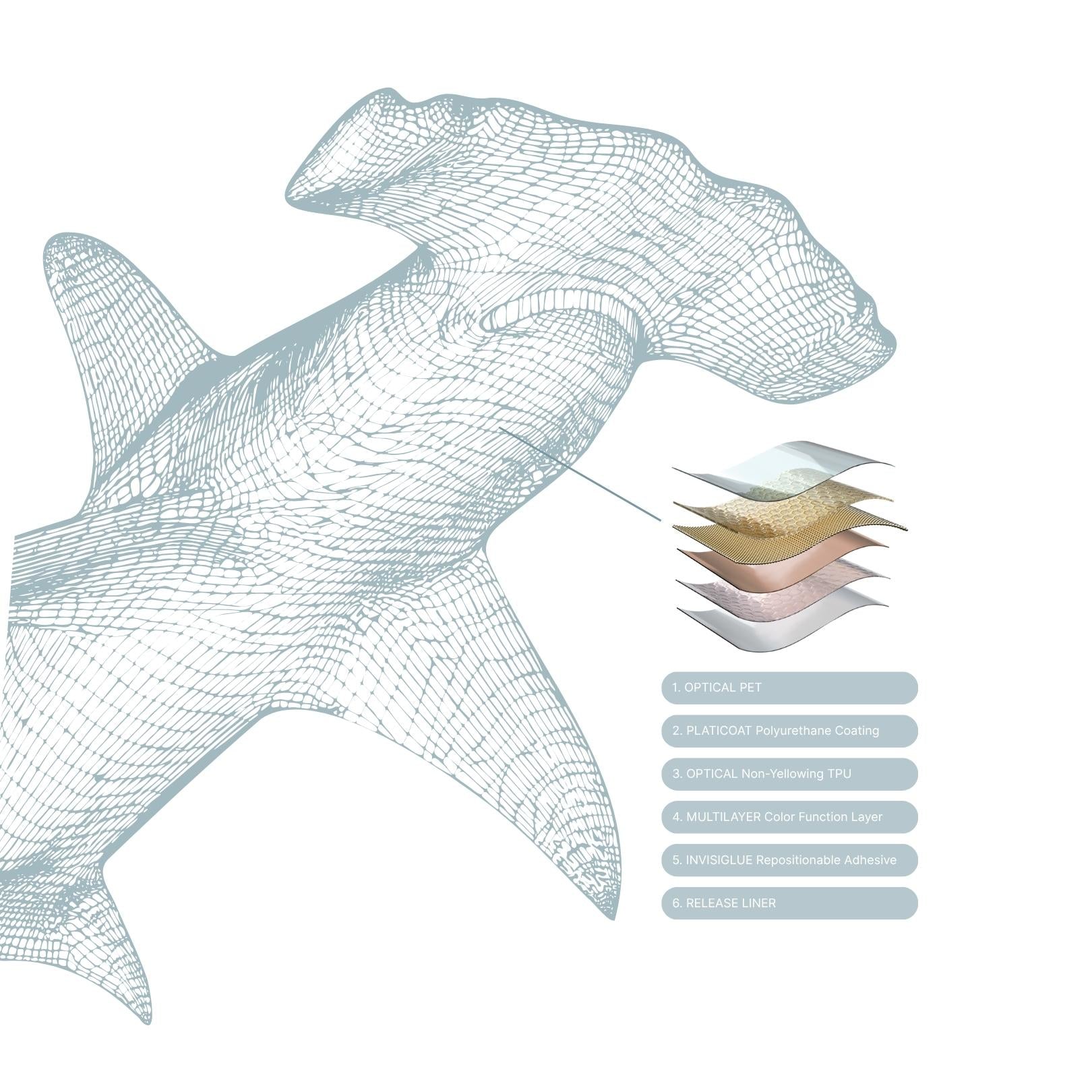
The science behind UPPF’s cutting-edge paint protection film technology is inspired by the placoid scales of sharks- super hard, low-drag microstructures that resist abrasion and contaminants. Mirroring that biology, our elastomeric TPU disperses impact and self-heals, while our proprietary PLATICOAT top-coat adds a densely cross-linked, hydrophobic, UV-stable surface. The result is optically clear protection that repels grime and remains vivid for years.

The Science

Golden Ratio

Our mission: top of the line protection at great value, what we call the “Golden Ratio". This unique calibration is what sets our products apart, delivering the performance the job demands without excess or compromise. We leverage our unique business model to incorporate the most advanced components and deliver outstanding quality at competitive prices.

Everything PPF

PCU vs TPU PPF: What the Chemistry Tells

PCU vs TPU PPF: What the Chemistry Tells

PCU is a polycarbonate subtype of TPU, not a new material. A technical guide to where PCU PPF helps, where it fails, and how to judge supplier claims.

Read moreabout PCU vs TPU PPF: What the Chemistry Tells

Romain Dumas wins Goodwood Festival of Speed

Romain Dumas wins Goodwood Festival of Speed

Same Car, Different Hill: Dumas Turns Goodwood Into Pikes Peak Round Two The preview two Mondays ago called Goodwood 2026 a heritage weekend, and it delivered on that promise. All three surviving Ford GT Mk IIs from the 1966 Le...

Read moreabout Romain Dumas wins Goodwood Festival of Speed

Half a Car Length: How Rosenqvist Made the 110th Indy 500 the Closest in History

Half a Car Length: How Rosenqvist Made the 110th Indy 500 the Closest in History

The race that I previewed seven days ago set the expectations: Alex Palou on pole at 232.248 mph, two-time defender Josef Newgarden buried in P24, four rookies including Mick Schumacher, and the looming question of whether the back half of...

Read moreabout Half a Car Length: How Rosenqvist Made the 110th Indy 500 the Closest in History

Below Sea Level: The Jordan Rally and the Quiet Hunt for a Record 18th

Below Sea Level: The Jordan Rally and the Quiet Hunt for a Record 18th

There is something about a rally that finishes at the lowest place on Earth that makes you take it more seriously than its sub-200-kilometer competitive distance suggests. The Jordan Rally returns May 14 to 16, 2026, as round three of...

Read moreabout Below Sea Level: The Jordan Rally and the Quiet Hunt for a Record 18th

The Croatia Rally Returns: A New Coastline, the Same Brutal Tarmac
The Croatia Rally Returns: A New Coastline, the Same Brutal Tarmac

The WRC Croatia Rally debuted on the world championship calendar in 2021, became an instant tarmac classic, skipped 2025 entirely, and now returns April 9-12 as Round 4 of a championship that already looks nothing like anyone predicted. Three rounds...

Read moreabout The Croatia Rally Returns: A New Coastline, the Same Brutal Tarmac

Japan Grand Prix 2026: Antonelli's Suzuka Masterclass

Japan Grand Prix 2026: Antonelli's Suzuka Masterclass

On March 29, 2026, its 53-lap race delivered another chapter: 19-year-old Kimi Antonelli becoming the youngest multiple race winner and youngest championship leader in Formula 1 history.

Read moreabout Japan Grand Prix 2026: Antonelli's Suzuka Masterclass

FAQs

Can I cover my whole vehicle with UPPF film?

Yes. Full-body coverage is a standard installation and gives uniform protection and appearance across every painted panel.

It is worth weighing against partial coverage. Most stone chips land on the front bumper, bonnet, wing mirrors, A-pillars and the leading edge of the roof, so a front-end package delivers a large share of the practical benefit at much lower cost. Full coverage makes most sense on high-value cars, on unusual or expensive paint, and where you want no visible difference between covered and uncovered panels.

What is hydrophobic PPF?

Hydrophobic PPF has a topcoat that repels water rather than letting it sheet across the surface. Water beads and rolls off carrying dirt with it, so the film stays cleaner between washes and dries with fewer water spots. On UPPF films this comes from the Platicoat topcoat, and the Hammerhead series is hydrophobic across the range.

It is a surface property. It makes cleaning easier but adds no impact protection, and the effect gradually reduces over years of exposure. A film-safe ceramic coating can restore some of that behaviour.

Is Windshield Film worth the investment?

Investing in UPPF Windshield Protection Film is a financially prudent decision, as it offers substantial cost savings by averting the necessity for costly windshield repairs or replacements.

Does the film block UV rays?

Indeed, the film in question has been shown to obstruct 99% of harmful UV rays, thereby safeguarding both the vehicle's interior and its occupants from potential sun-induced damage.

Can Windshield Film be removed?

This film can be removed from the windshield with ease, leaving no residue behind.

Is PPF good for off-roading?

It helps, within limits. PPF absorbs the gravel strikes and light brush contact that would otherwise chip paint, and it is genuinely useful on rocker panels, front ends and leading edges of a vehicle used on loose surfaces.

It has a ceiling. It will not prevent dents, and a sharp rock at speed or a hard scrape against a boulder or tree will cut through to the paint. For heavy off-road use, treat PPF as a way to keep everyday abrasion off the paint rather than as physical protection.

Can I use automatic car washes with PPF?

Touchless washes are acceptable. Brush and cloth washes are not recommended: the brushes drag grit across the film, which dulls the surface over time and can lift edges.

Hand washing with two buckets and a pH-neutral shampoo remains the best method. If you do use a touchless wash, keep high-pressure jets away from film edges.