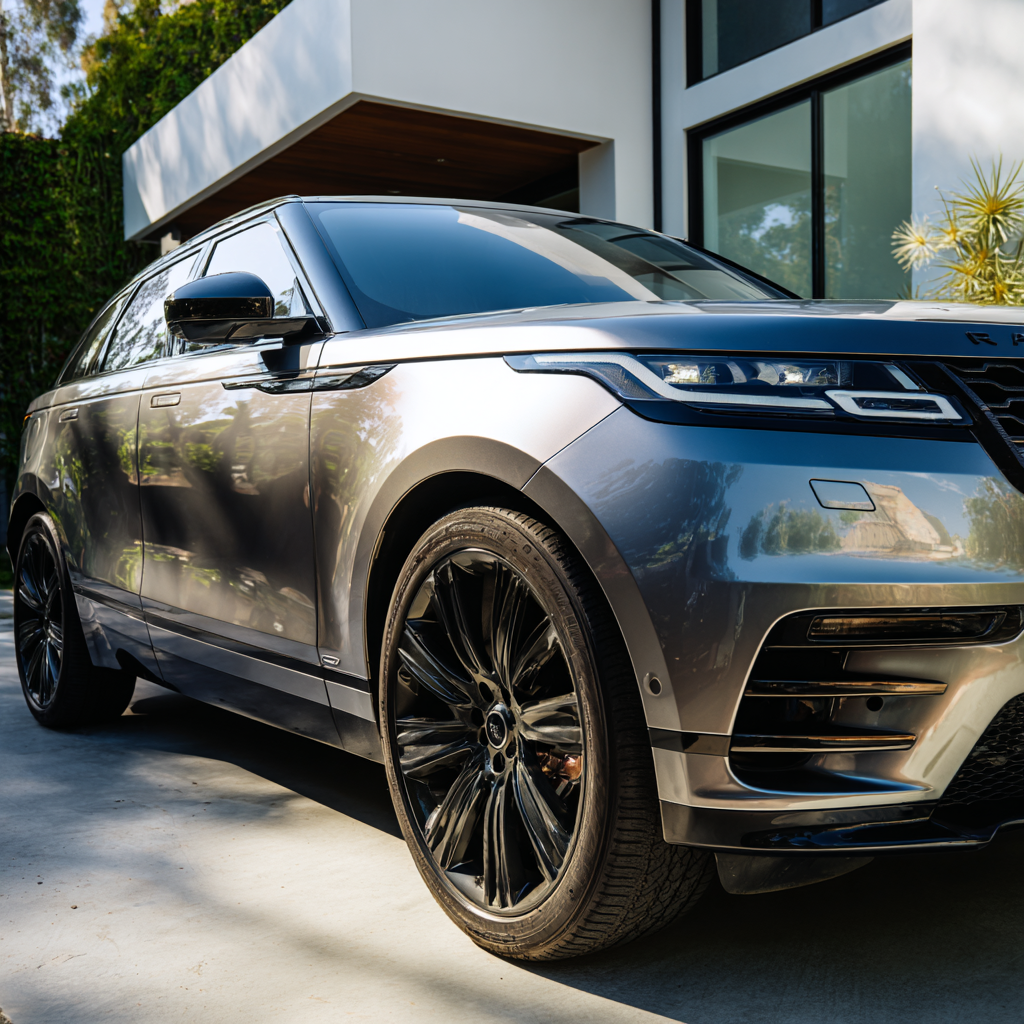
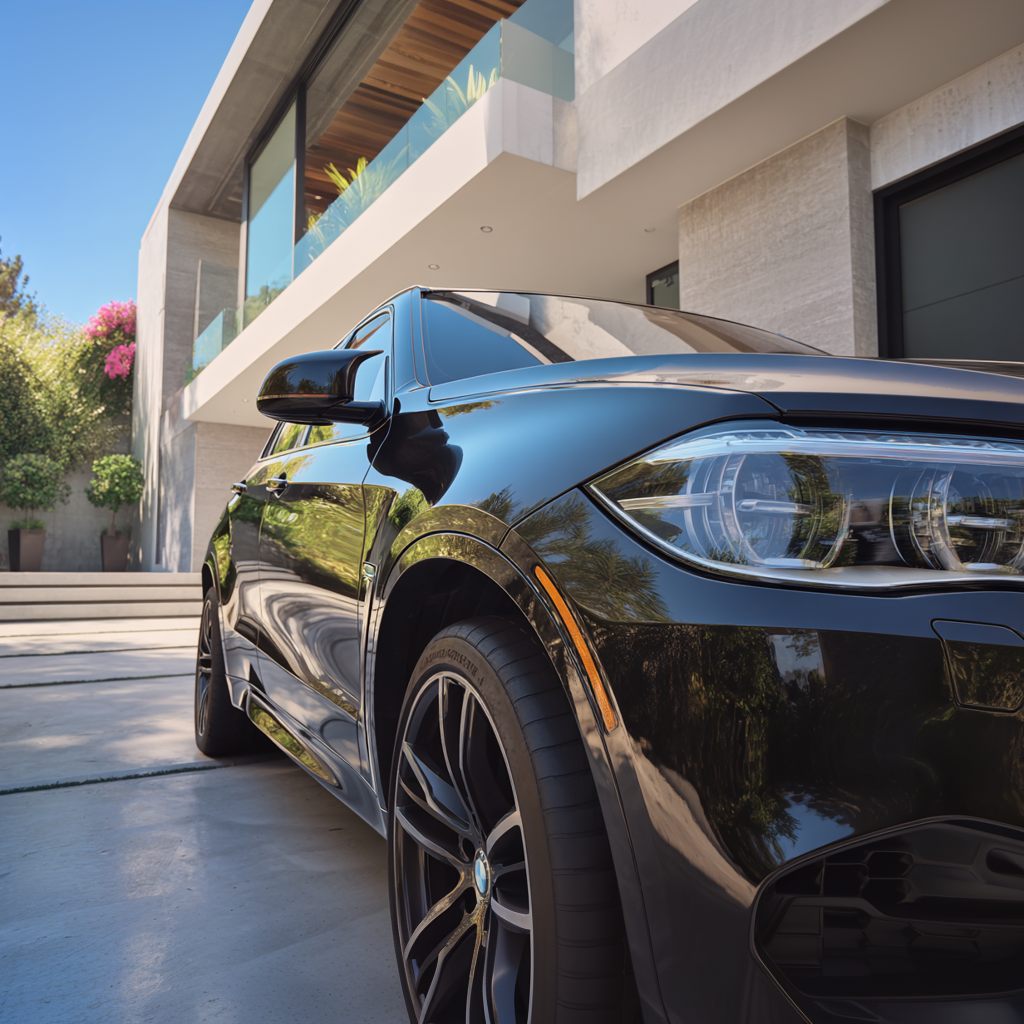
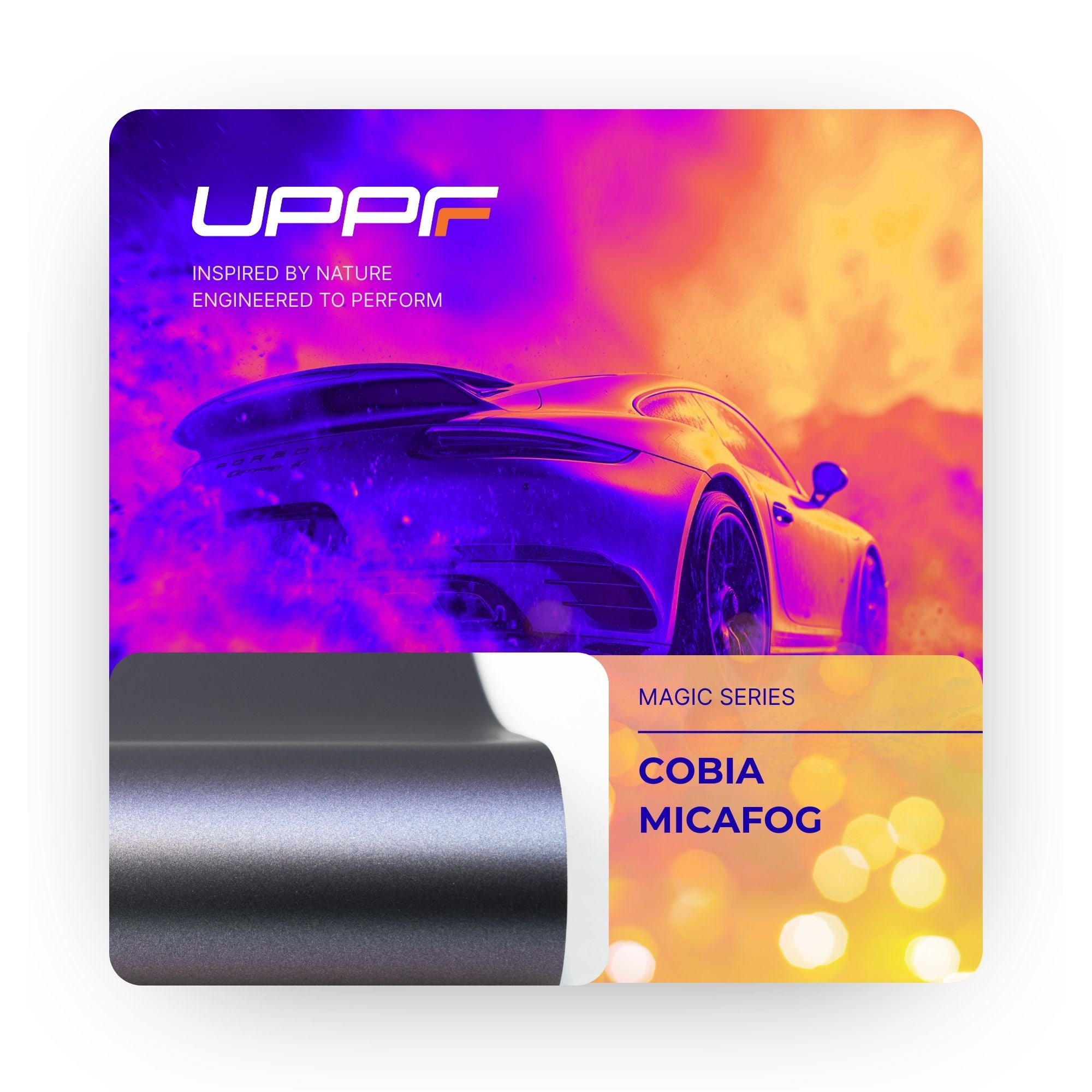
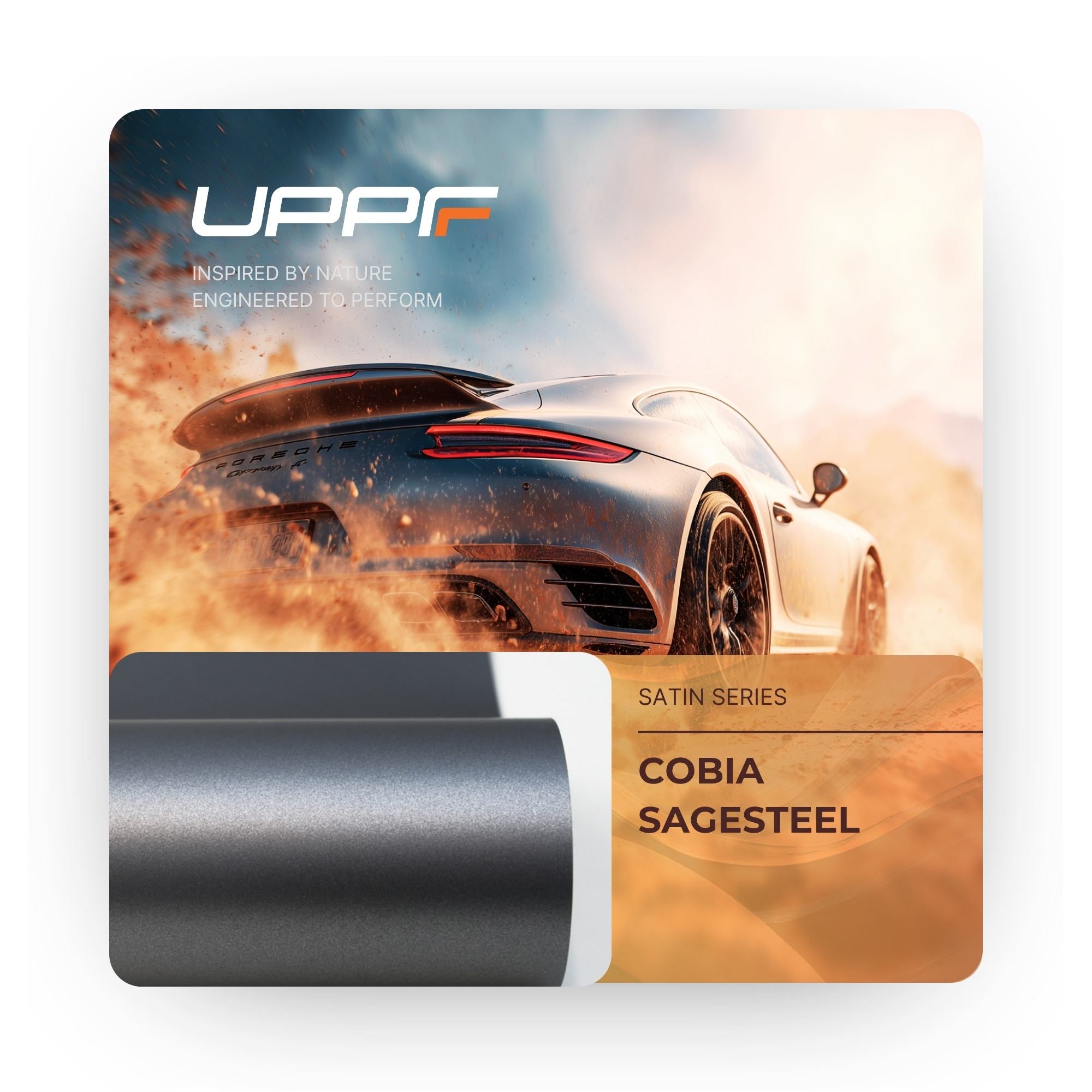
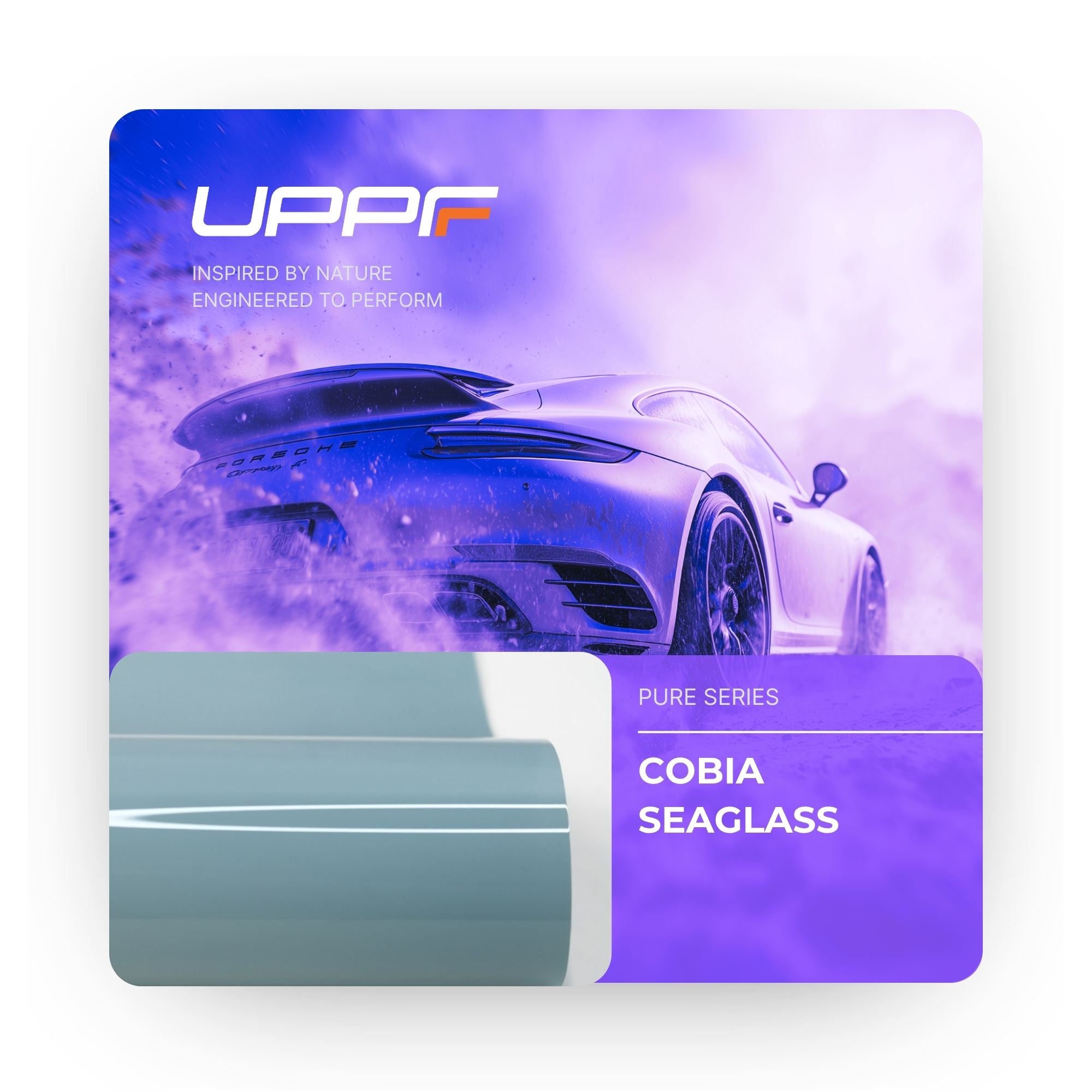
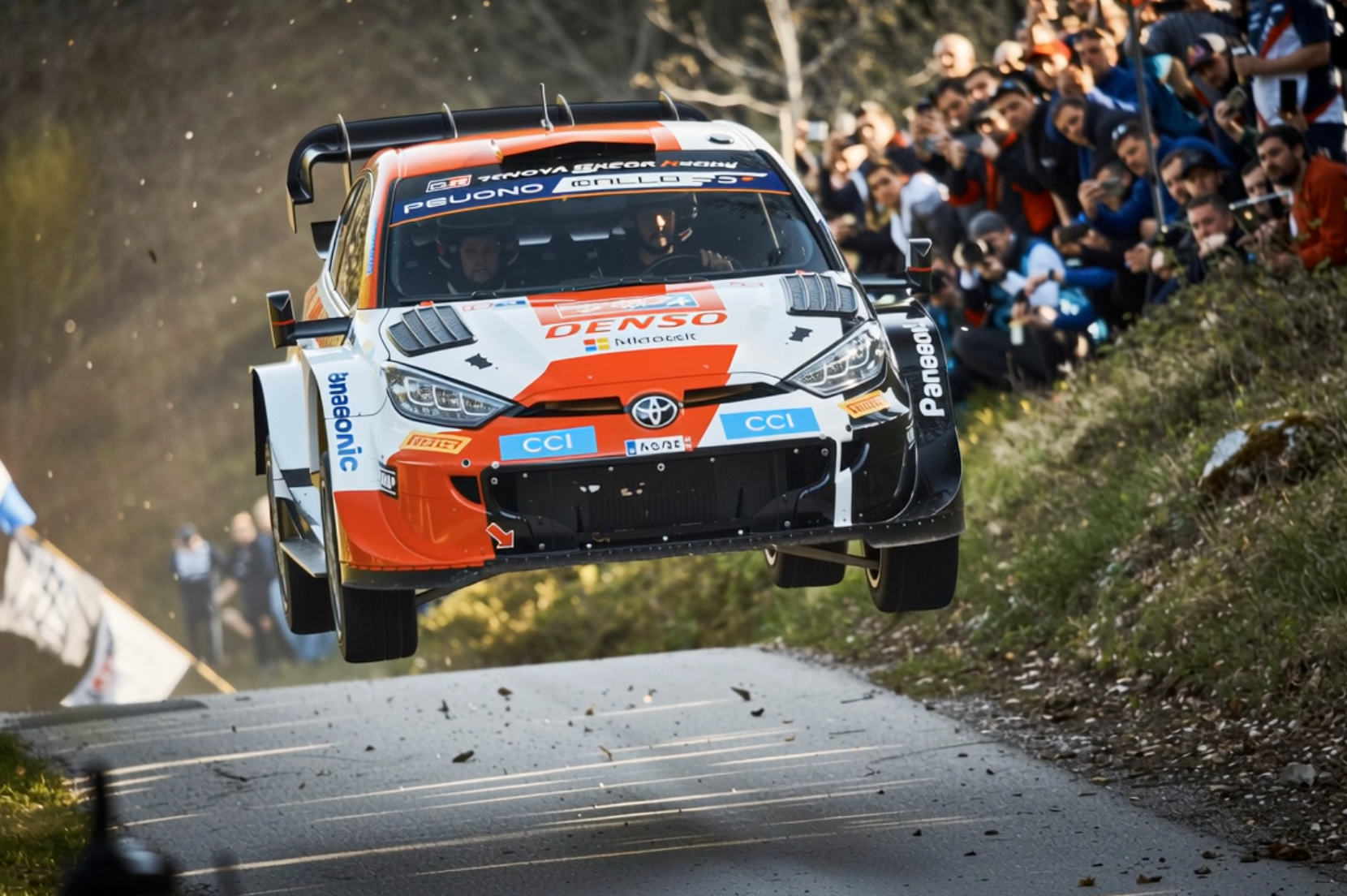
With UPPF, science and style coexist seamlessly, protecting your car while making it look extraordinary.
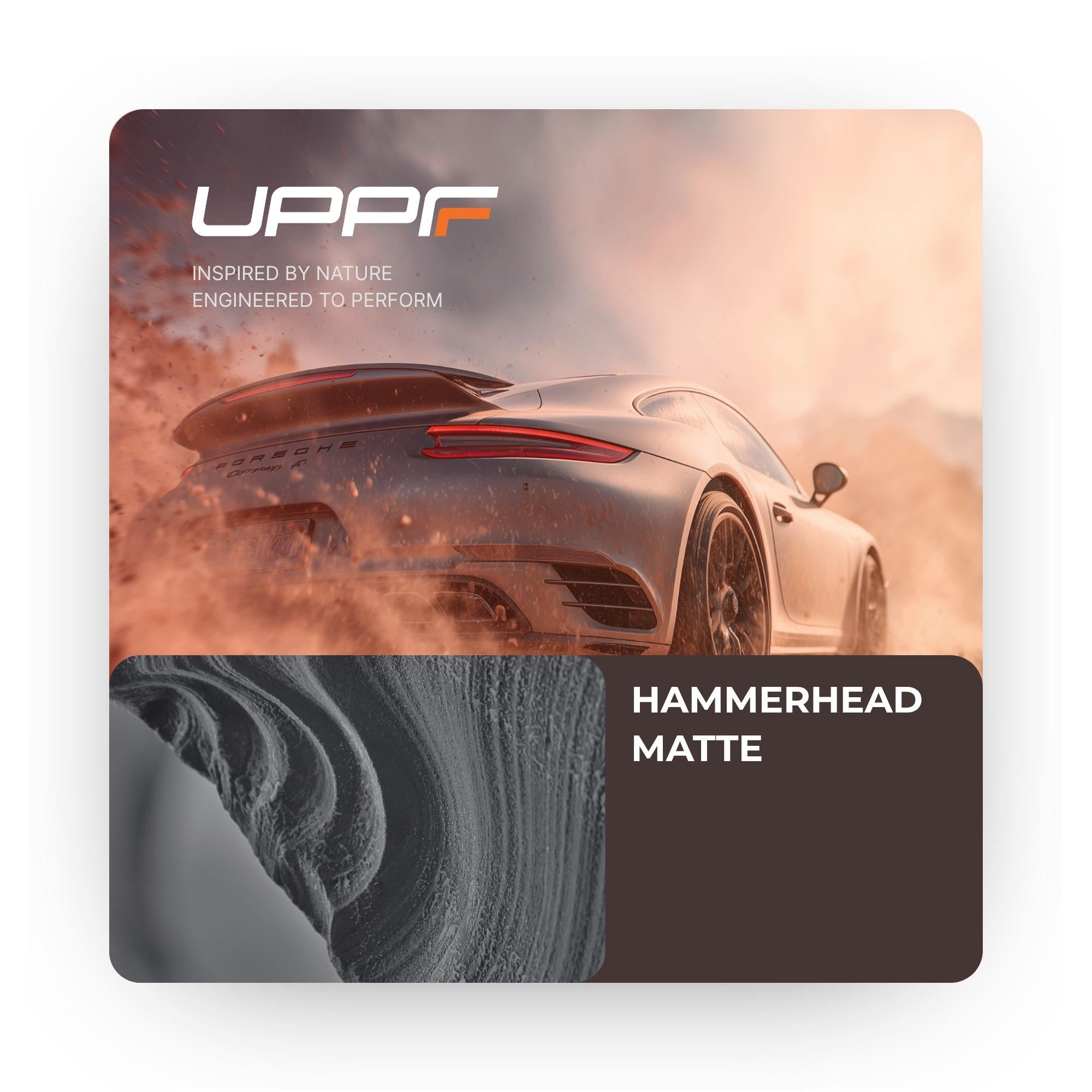
Hammerhead Matte
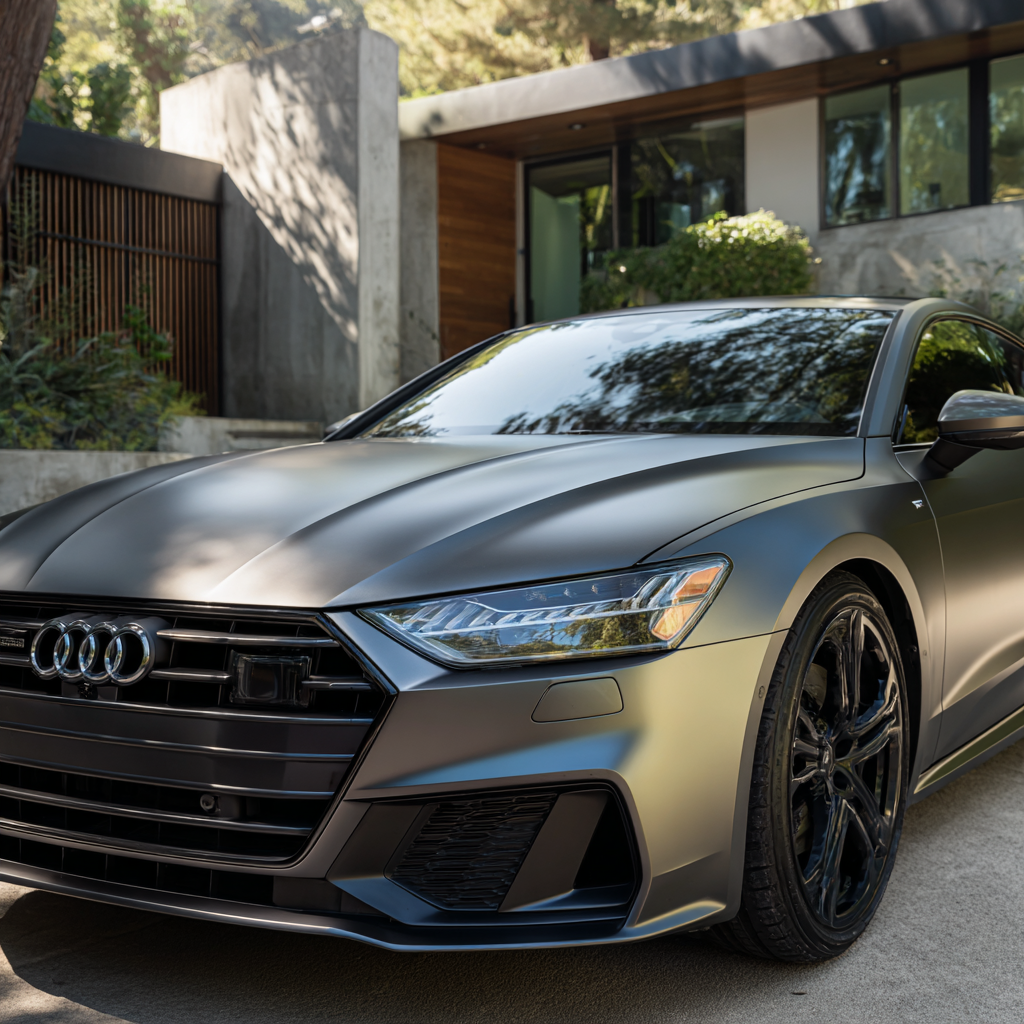
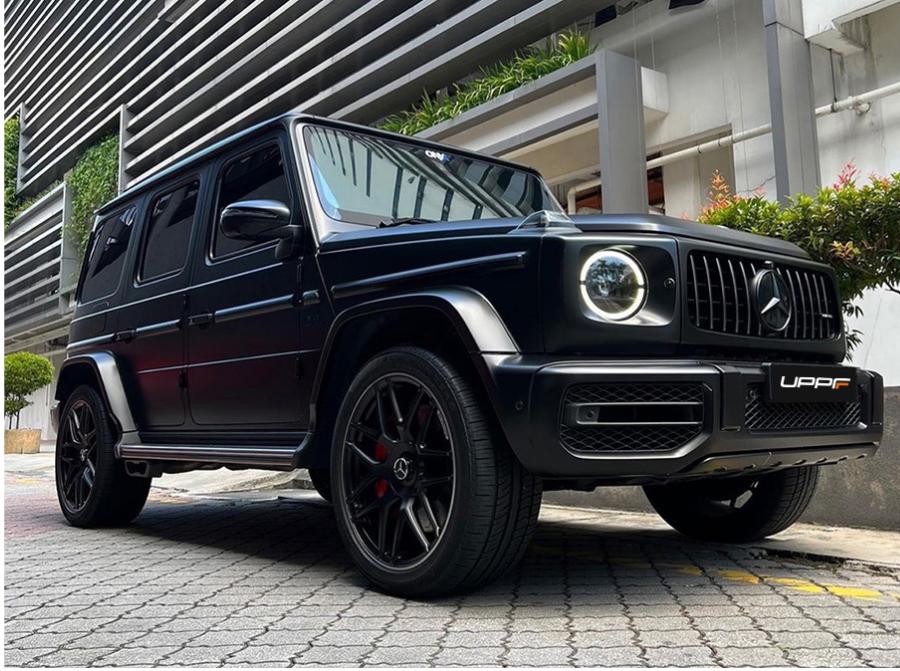
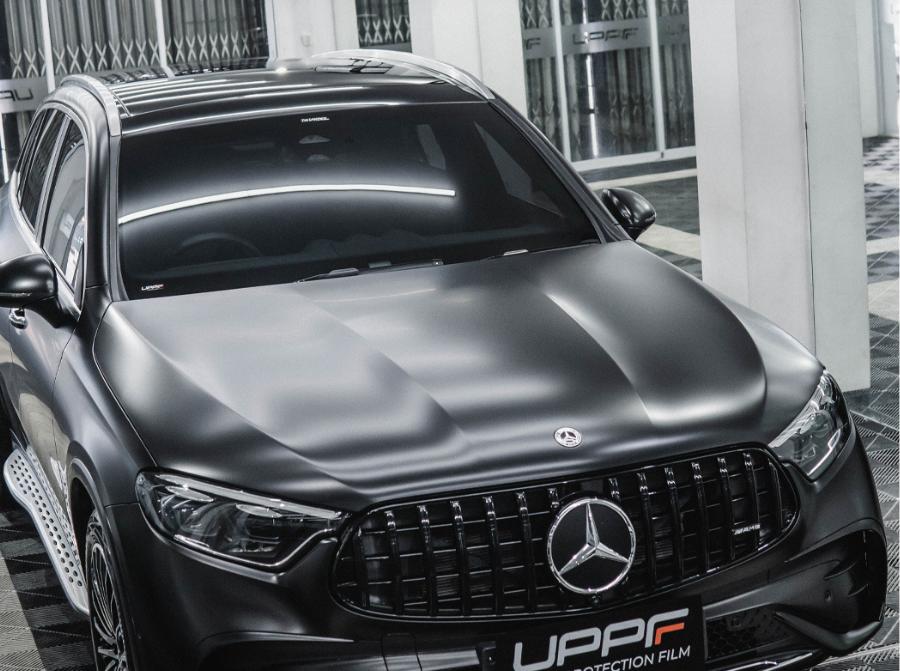
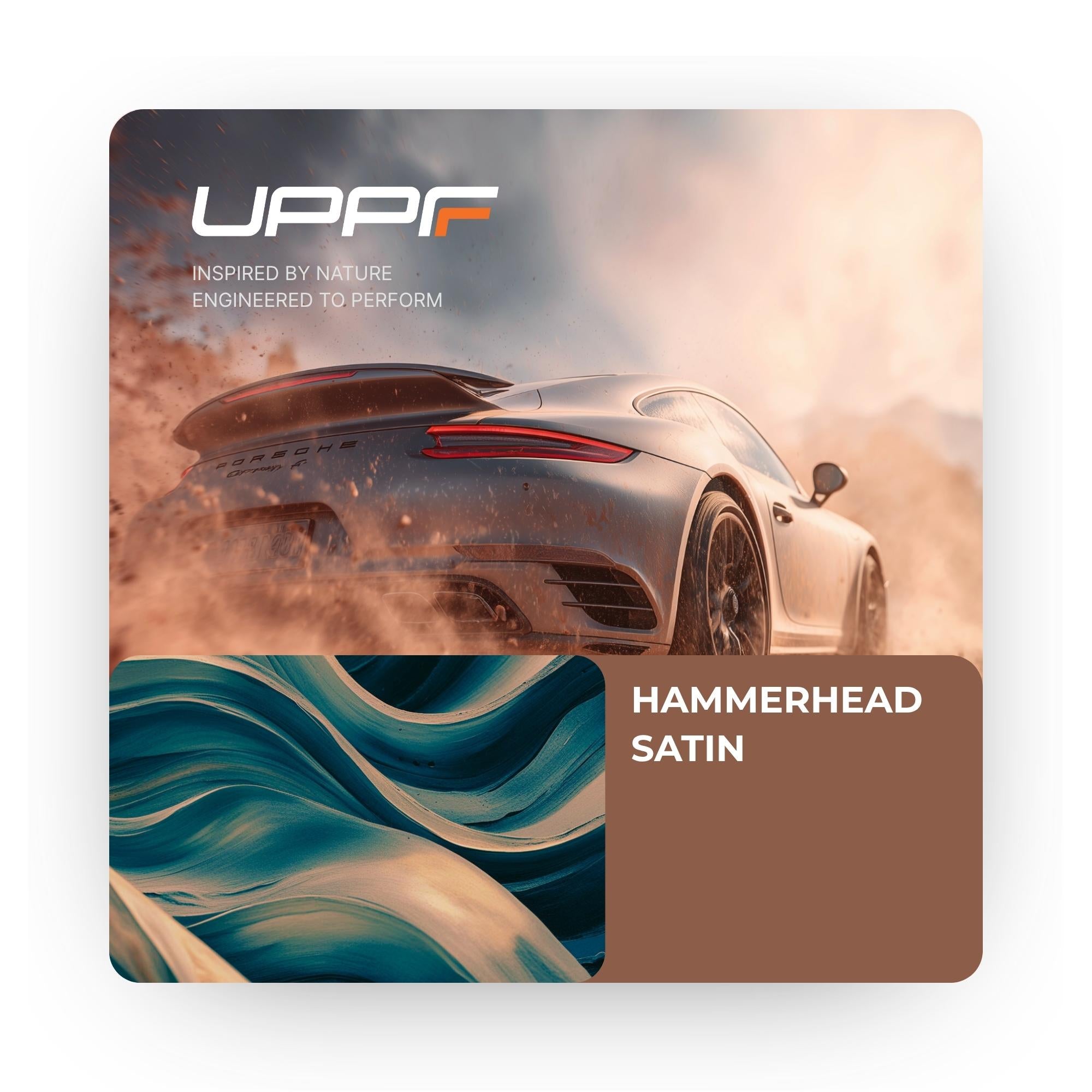
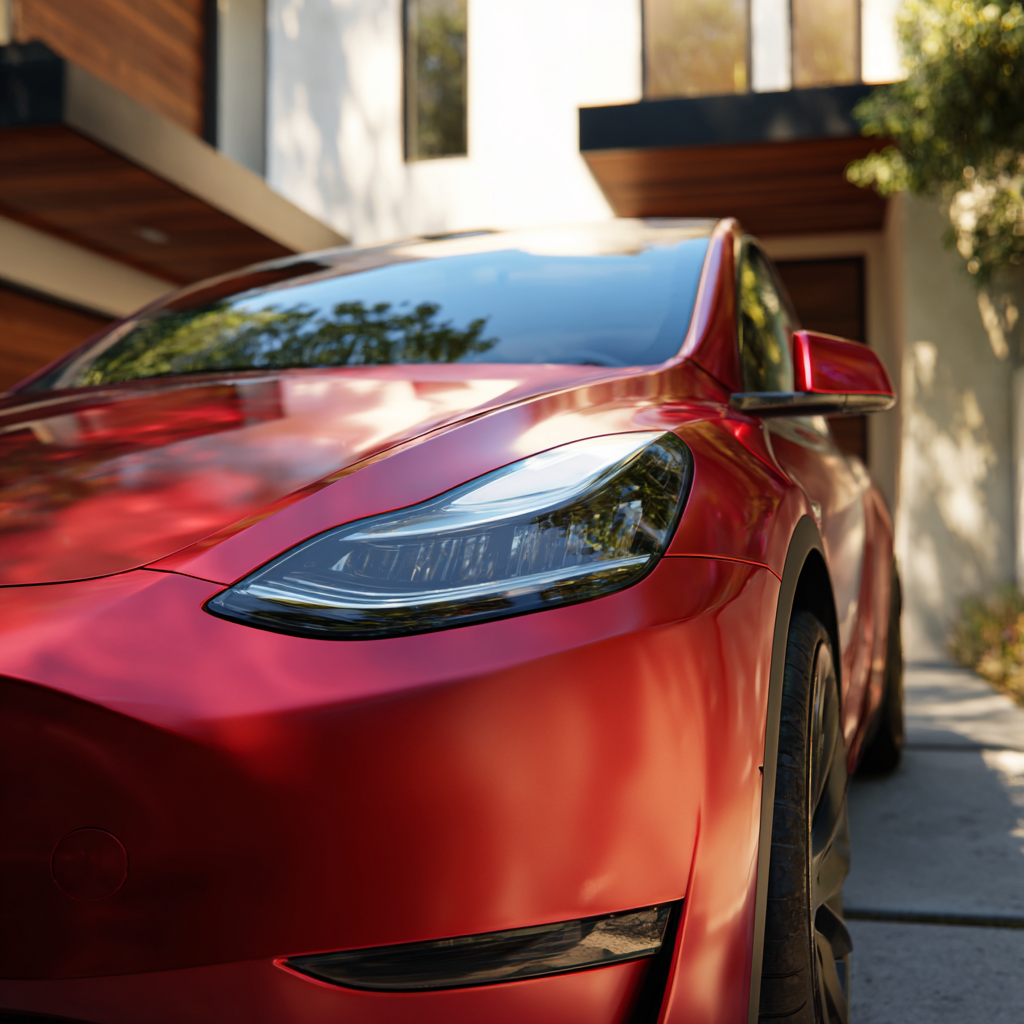
Hammerhead Matte delivers a bold, non-reflective finish that adds visual weight and rugged presence: fierce, outdoor-ready, and unmistakably rare. Built on the performance core of Hammerhead Pro, it uses a slightly thicker TPU construction for superior durability and impact resistance that helps preserve OEM paint and long-term value.
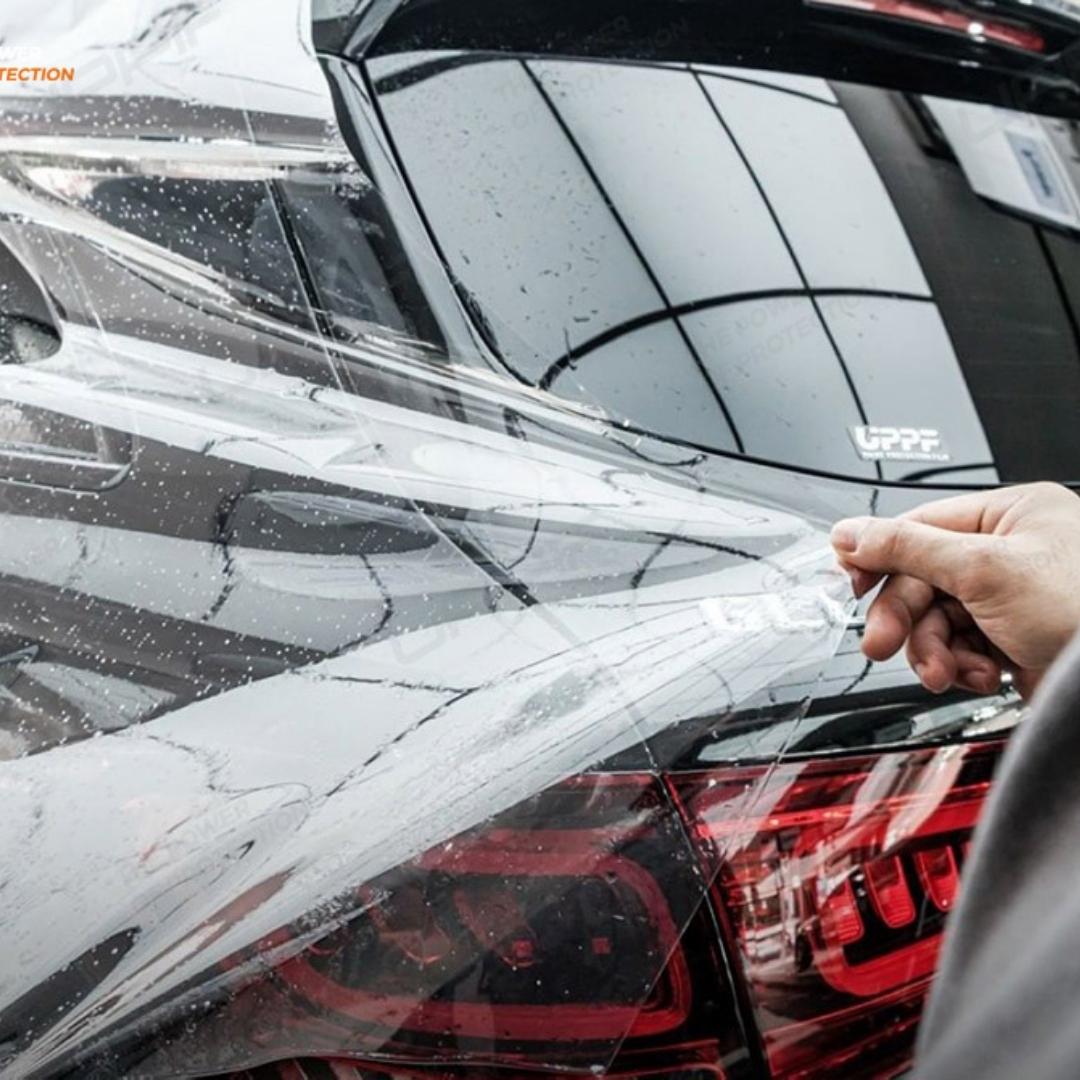
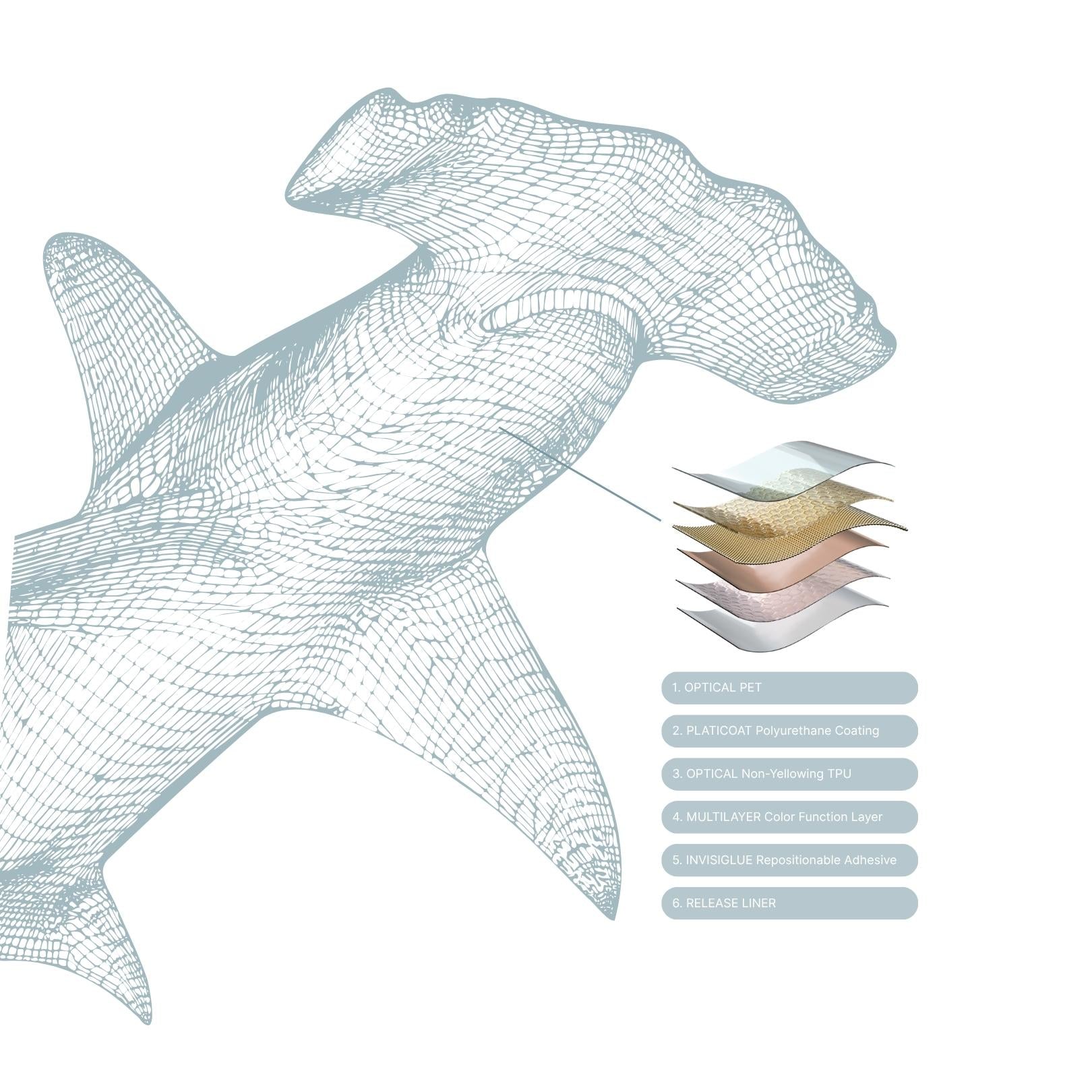
Our advanced Platicoat™ formulation powers fast self-healing of fine swirls with heat or sunlight and elevates stain and mar resistance, keeping the matte surface uniform and tactically clean. An extremely hydrophobic top layer sheds water, mud, and road grime, making washdowns quick and maintenance simple.
Top-of-the-line Invisiglue™ adhesive lays down clean with strong edge hold and easy removability, ensuring a consistent matte sheen across panels. Integrated UV inhibitors help reduce fade and oxidation.
Whether you’re transforming a glossy paint to a deep matte or protecting a factory matte finish, Hammerhead Matte combines stealth aesthetics with serious protection: rugged style, effortless upkeep, and performance that’s built to go anywhere.
Unique matte finish provides a distinctive look that stands out from conventional gloss paintwork.
Water Repellent
Hydrophobic Platicoat™ topcoat repels water, dirt, road grime, and other contaminants with its slick surface that prevents debris from adhering.
Self Heals
Our proprietary Platicoat™ topcoat automatically heals light scratches and swirl marks, restoring the surface to its original condition.
Anti-Yellowing
Our advanced adhesives and polyurethane formulations resist yellowing from UV exposure, maintaining the film's crystal clear appearance.
Muscle Chic
With UPPF, science and style coexist seamlessly, protecting your car while making it look extraordinary.
Rugged Good Looks
+
Serious Protection
Predator Grade Protection
The science behind UPPF’s cutting-edge paint protection film technology is inspired by the placoid scales of sharks- super hard, low-drag microstructures that resist abrasion and contaminants. Mirroring that biology, our elastomeric TPU disperses impact and self-heals, while our proprietary PLATICOAT top-coat adds a densely cross-linked, hydrophobic, UV-stable surface. The result is optically clear protection that repels grime and remains vivid for years.
Our mission: top of the line protection at great value, what we call the “Golden Ratio". This unique calibration is what sets our products apart, delivering the performance the job demands without excess or compromise. We leverage our unique business model to incorporate the most advanced components and deliver outstanding quality at competitive prices.
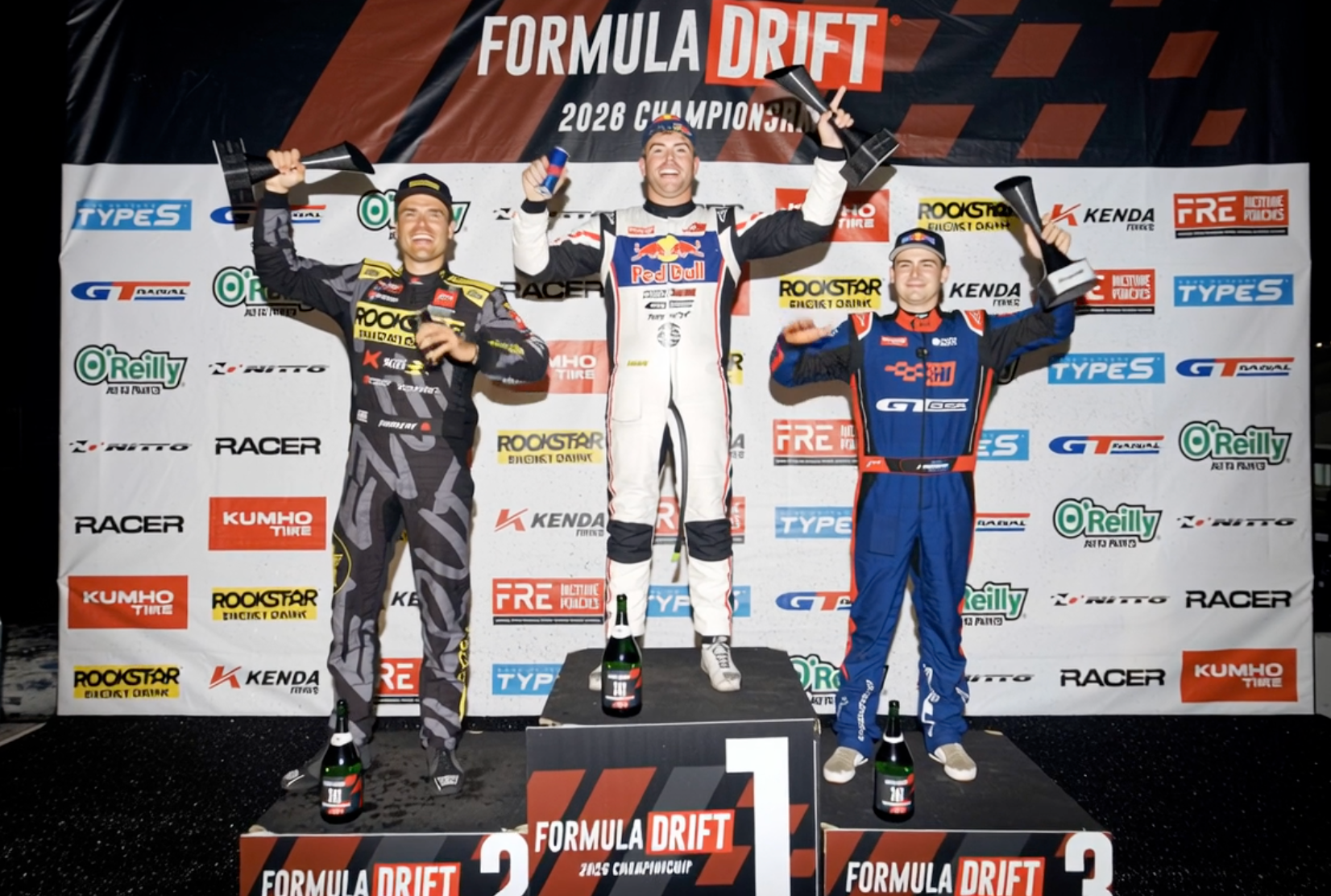
The Formula DRIFT stop at Evergreen Speedway has been on the calendar since 2006, and in every one of those 21 years it has run in daylight. This year it ran at night. Round 6 of the 2026 PRO season,...
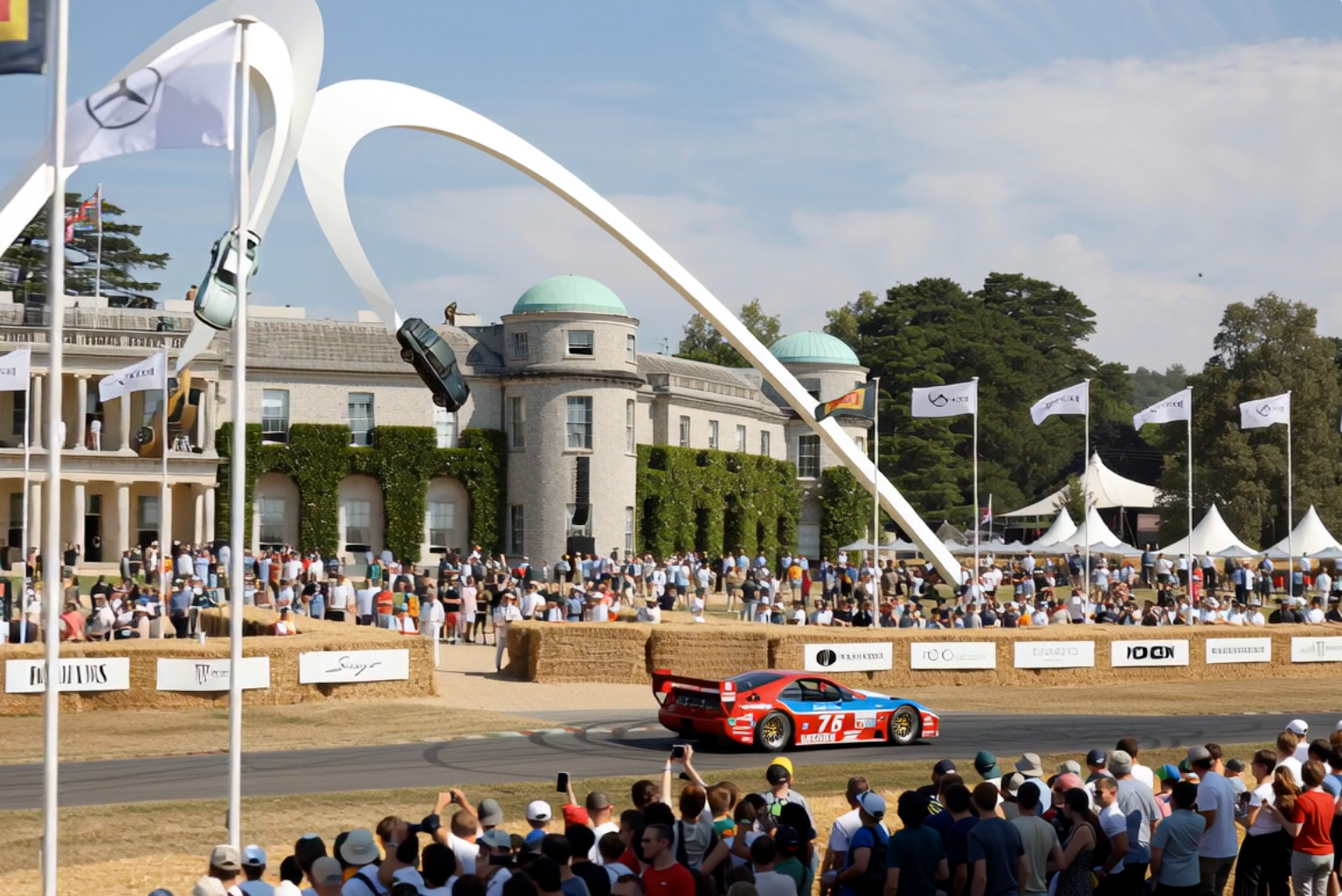
Same Car, Different Hill: Dumas Turns Goodwood Into Pikes Peak Round Two The preview two Mondays ago called Goodwood 2026 a heritage weekend, and it delivered on that promise. All three surviving Ford GT Mk IIs from the 1966 Le...
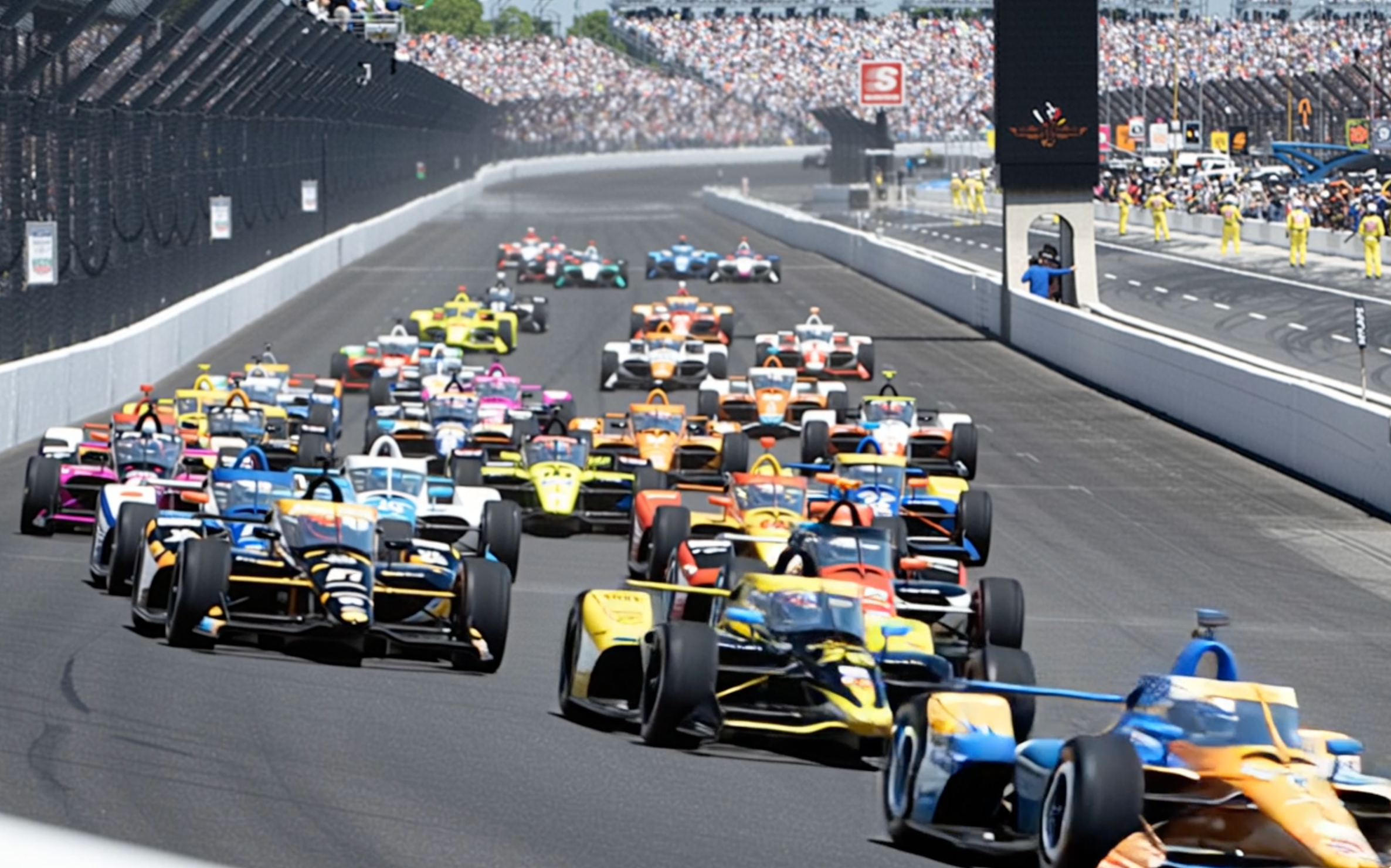
The race that I previewed seven days ago set the expectations: Alex Palou on pole at 232.248 mph, two-time defender Josef Newgarden buried in P24, four rookies including Mick Schumacher, and the looming question of whether the back half of...
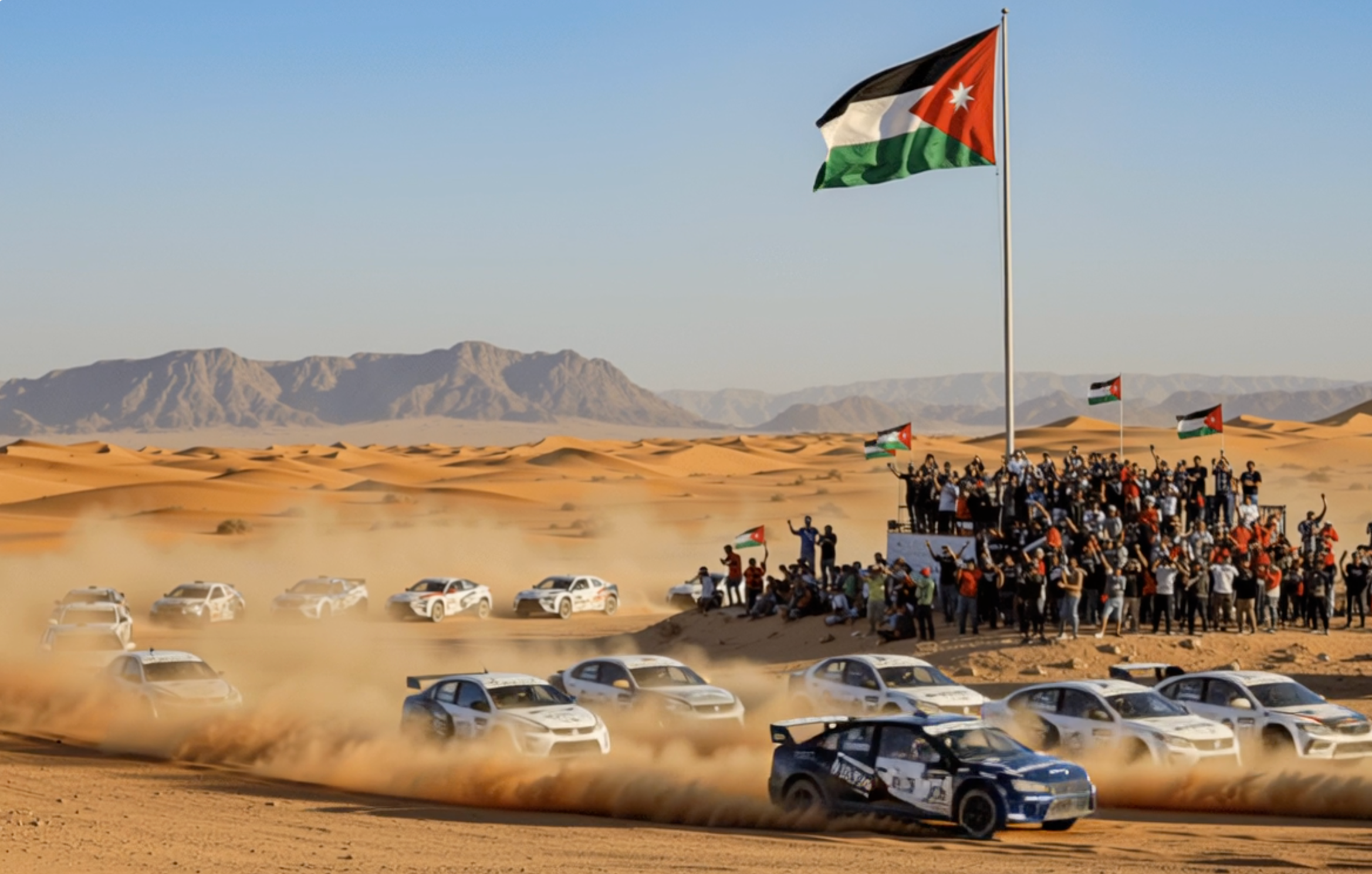
There is something about a rally that finishes at the lowest place on Earth that makes you take it more seriously than its sub-200-kilometer competitive distance suggests. The Jordan Rally returns May 14 to 16, 2026, as round three of...
The WRC Croatia Rally debuted on the world championship calendar in 2021, became an instant tarmac classic, skipped 2025 entirely, and now returns April 9-12 as Round 4 of a championship that already looks nothing like anyone predicted. Three rounds...
On March 29, 2026, its 53-lap race delivered another chapter: 19-year-old Kimi Antonelli becoming the youngest multiple race winner and youngest championship leader in Formula 1 history.
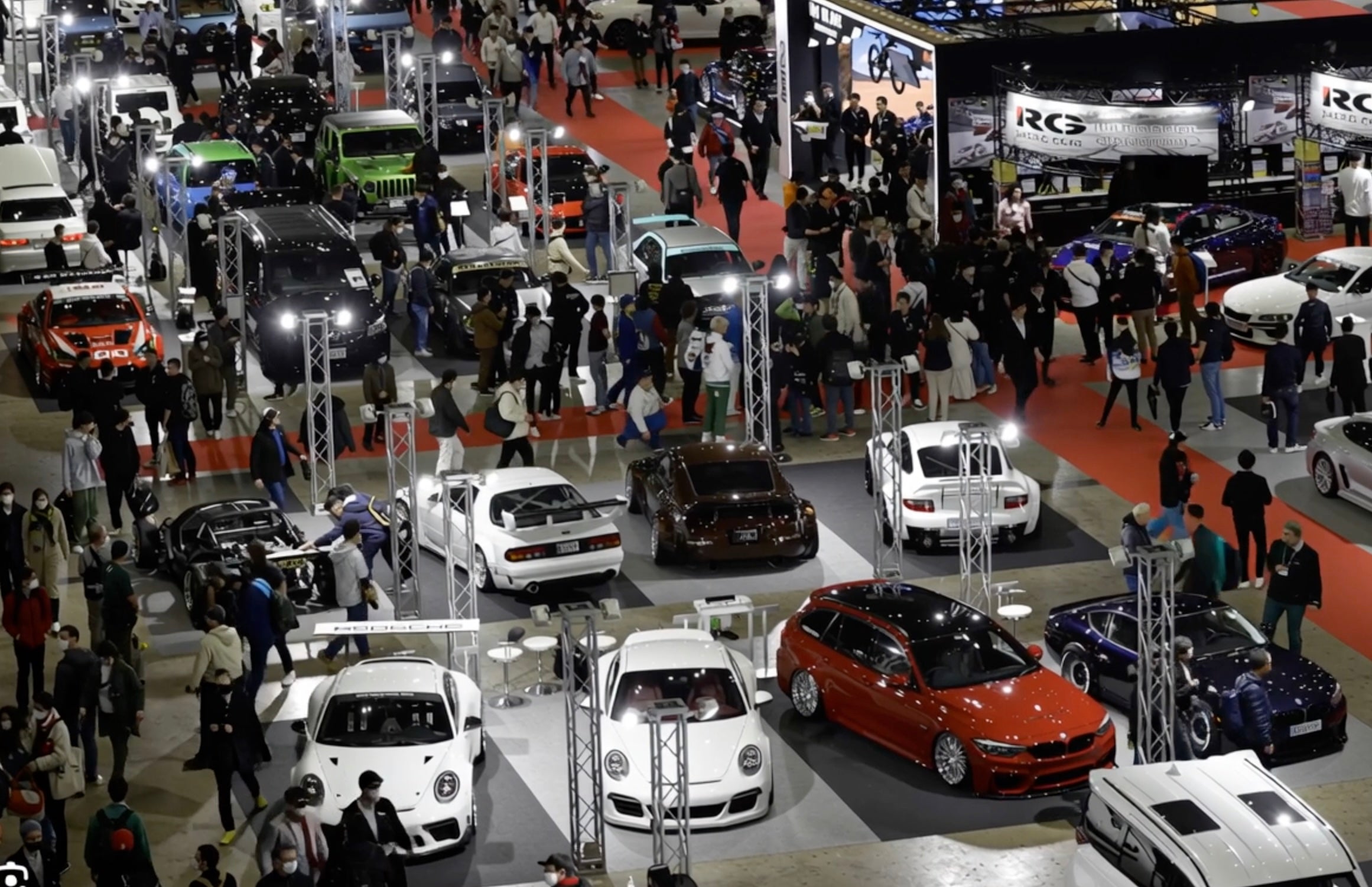
Tokyo Auto Salon 2026 at Makuhari Messe mixed OEM concepts and grassroots creativity, with Toyota’s GR GT3 Concept taking top honors amid renewed energy for tuning, materials innovation, and high-fitment EV conversions.
Budapest–Bamako Rally 2025 celebrated its 20th anniversary with a classic route from Hungary to Gambia, unpredictable desert drama, and another win for the seasoned Koros Auto Team. Organizers balanced tradition and adaptation on Africa’s toughest amateur stage.
Can UPPF Paint Protection Film self-heal scratches?
Yes, within limits. The Platicoat topcoat is elastomeric, so light scratches and swirl marks close as the surface returns to shape. Warmth speeds this up: direct sun, warm water, or a hair dryer held at moderate heat and distance.
What self-heals is damage confined to the topcoat. Cuts that reach the TPU layer or the adhesive will not close, and neither will impact damage or deep gouges. Those need the film on that panel replaced by an authorised installer.
Hydrophobic PPF has a topcoat that repels water rather than letting it sheet across the surface. Water beads and rolls off carrying dirt with it, so the film stays cleaner between washes and dries with fewer water spots. On UPPF films this comes from the Platicoat topcoat, and the Hammerhead series is hydrophobic across the range.
It is a surface property. It makes cleaning easier but adds no impact protection, and the effect gradually reduces over years of exposure. A film-safe ceramic coating can restore some of that behaviour.
What's the difference between General PPF and Satin PPF?
Both are the same protective film with a different surface finish. Clear PPF is transparent and keeps the paint's original gloss. Satin PPF has a matte topcoat that turns a gloss finish flat.
Protection is equivalent: same TPU base, same chip and abrasion resistance. The practical difference is repair. Satin cannot be polished, because polishing burnishes the matte texture into shiny patches, so damaged satin film is replaced rather than corrected.
Are Satin PPF hard to maintain?
Not difficult, but the rules are stricter than for gloss. Wash with a pH-neutral shampoo and a microfibre mitt as normal. The satin texture hides light dust and minor imperfections well.
What must be avoided is anything abrasive or gloss-enhancing: no polish, no compound, and no wax or sealant intended to add shine. These leave permanent shiny patches in the matte surface. Use products labelled satin- or matte-safe, and clean bird droppings and tree sap promptly, as a textured surface holds them slightly longer than gloss.
How long does Paint Protection Film last?
Typically 5 to 10 years. UPPF films carry a limited 10-year warranty against manufacturing defects. The range is wide because service life is driven by conditions more than by the film alone.
The main factors are UV exposure and heat, washing method, and how much road debris the car takes. A garaged car in a temperate climate washed with a pH-neutral shampoo reaches the top of that range. A car parked outdoors in strong sun and run through brush washes will not.
Not when it is removed properly and within its service life. The adhesive is formulated to release from cured factory paint, and an installer removes the film with controlled heat.
The risks are specific rather than general. Film left well past its life becomes brittle and its adhesive harder to release. Paint that was resprayed, touched up, or already failing can lift with the film. And heat-gun removal by an untrained hand can damage both film and paint. Have it removed by an authorised installer.
Usually, yes. Small bubbles and hazy patches are normal immediately after installation. They are moisture and solvent from the wet-application process, and they clear as the adhesive cures, typically within a few days and occasionally up to two to three weeks in cooler or more humid conditions.
Bubbles that remain after a month, or that contain visible debris, are an installation issue rather than curing. Return to your installer, who can re-lay the affected panel.
Can PPF hide existing scratches?
Only partly, and it depends on the scratch. PPF is applied over the paint as it is, so it does not remove existing damage. Very light swirl marks and shallow surface scratches often become less visible once film is laid over them, because the film fills and levels the surface optically.
Deeper scratches that have broken through the clear coat will still show, and in some cases the film makes them slightly more noticeable by adding gloss around them. Paint correction before installation is the correct sequence if the finish has existing defects.
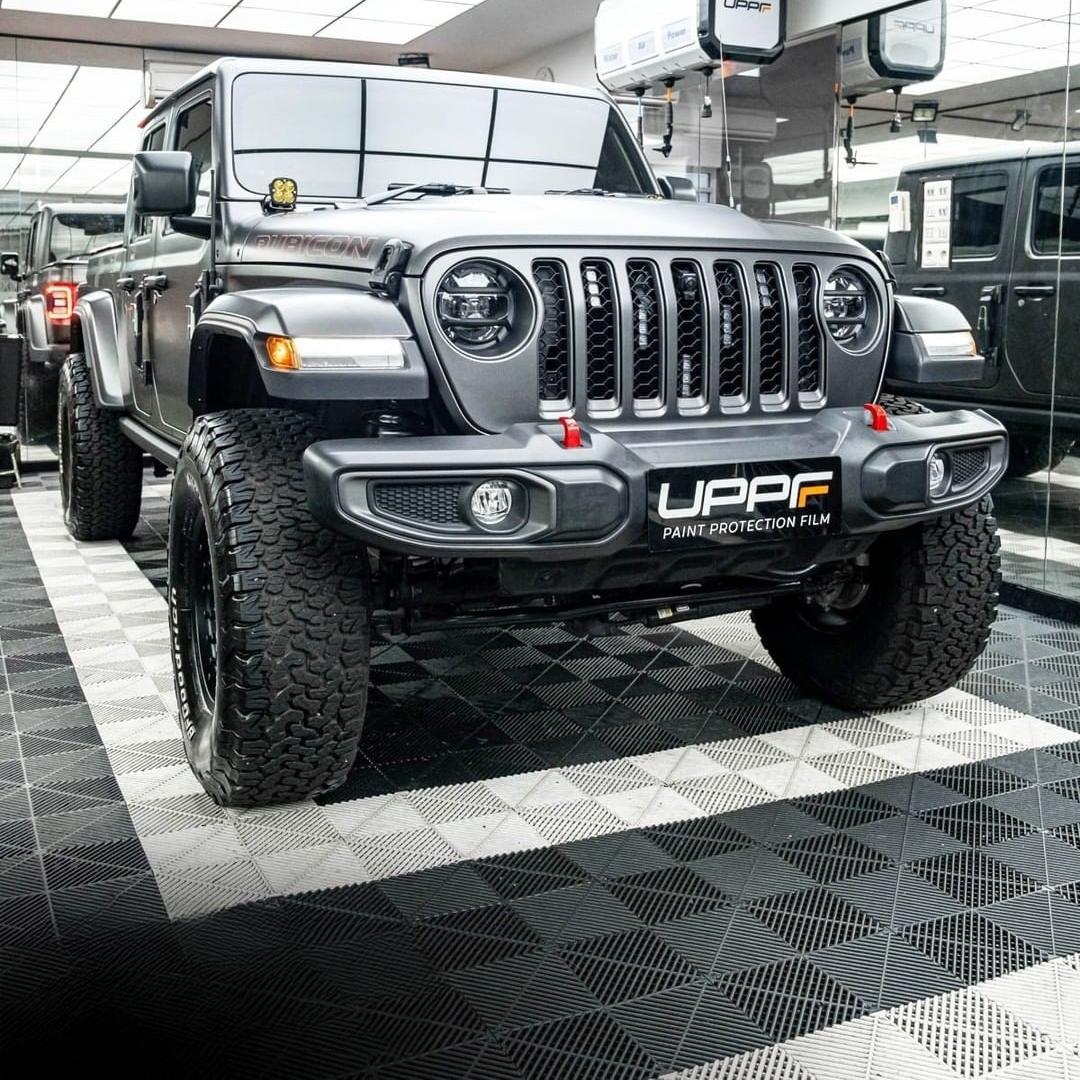
It helps, within limits. PPF absorbs the gravel strikes and light brush contact that would otherwise chip paint, and it is genuinely useful on rocker panels, front ends and leading edges of a vehicle used on loose surfaces.
It has a ceiling. It will not prevent dents, and a sharp rock at speed or a hard scrape against a boulder or tree will cut through to the paint. For heavy off-road use, treat PPF as a way to keep everyday abrasion off the paint rather than as physical protection.
How do I remove scratches from PPF?
Light scratches in the topcoat close with heat and usually need nothing more than a warm day or warm water poured over the panel. A hair dryer at moderate heat and distance speeds it up. Do not use a heat gun on the film yourself, as it is easy to overheat and distort it.
Scratches still visible once the panel is warm have gone through the topcoat into the TPU. Those do not self-heal and cannot be polished out. Ask your installer to assess whether the panel needs replacing.