
How UPPF Film Is Made
Our Mission
We set out to build the best-performing film we can stand behind, using materials with a proven track record, and to price it so our partners can earn from it and grow. That’s only half the job. The other half is the business around the film: the systems, training, marketing, and standards that turn a workshop into a full-fledged outlet that stays profitable year after year. We are not in the business of pushing rolls. We are in the business of building a business that endures.
Our approach
UPPF designates specialist production facilities to manufacture its products. That is a deliberate choice, taken by the board in 2025. It changes what we are responsible for, not how much control we have over the film. This page sets out how UPPF film is actually made: what we buy, how we manufacture, and how we verify it.
Why this approach?
For many years UPPF was directly involved in manufacturing. As the market changed, our board of directors reached a clear decision. There are now many competing coating facilities in the world, and operating one no longer makes the film better for the customer. In 2025, after a formal board decision, UPPF completed its move to an asset-light model. Instead of focusing on production, we concentrate on four things: the brand, the product design, the quality control, and the global distribution network.
There are four reasons behind that decision.
Quality rather than quantity
In today's environment where there are many production plants, each one must keep its machines busy. To do that, production plants tend to optimize for quantity. Quality and research become secondary. This is one of the main reasons film quality varies from one batch to the next, and it is a variance the end customer eventually sees.
Dedicated expertise
Clear PPF, coloured PPF, sunroof film, headlight film and window film are genuinely different products. Each needs different machines, different materials and different skills, and no single plant is best at all of them. Even brands that own production machines buy some products from other factories to complete their range. Owning a few production lines, then building a product range around only what those lines can produce, is not the best way to serve customers. Instead, we designate specialized production partners for each type of film.
Leading film brands work this way
Many of the most respected film brands in the world use the same model. They own the brand, the engineering and the quality standards, and they work with specialist factories to manufacture. Much of the branded film sold today is made on base film from a small number of large material suppliers. Each brand then adds its own topcoat, its own adhesive and its own quality control. The difference between brands is made in those three layers, not in who owns the coater.
Independence improves quality and agility
When UPPF was both a brand and a plant operator, many producers treated us as a competitor. That made it harder to source the best materials and to build strong supplier partnerships. As a brand that is not bound to any single plant, we are free to select the best material and designate the best production facility for each product, and to change those choices as the market moves.
What UPPF controls
We are not bound to any single production facility, and we control every step that affects the quality of the film. This is the same way that Apple products are made in Taiwan, India and China.
Premium raw materials
We source our TPU base film and our adhesives directly from the world's leading material suppliers. These materials have the largest single effect on how a film performs over many years. We specify the best available quality, including where it costs more.
Specialist production
We designate the best specialist production plant for each type of film. Every product is manufactured to our own topcoat and adhesive systems rather than to a factory's house specification.
Quality control in three stages
Every order is checked three times. First we inspect the raw materials on arrival. Second we supervise production at the factory. Third we test the finished film before it ships.
Independent laboratory testing
Standard performance testing is done in our own laboratory at our Shanghai office. For deeper analysis we work with independent, certified laboratories, which perform advanced tests including infrared spectroscopy, NMR (nuclear magnetic resonance) and GPC (gel permeation chromatography). Most production plants cannot run these tests at all.
They do two things for us. They confirm that our raw materials are genuine and match specification. More importantly, they confirm that the film holds its performance over years rather than months, which is precisely where weaker films fail and where a specification sheet tells you nothing.
Investment in research
Capital that would otherwise be tied up in operating machinery goes into research and development instead, which is what allows the range to keep moving as partners' needs change.
What this means for partners
UPPF is an established brand with a global network built over many years. Because of the model above, we can offer partners and distributors a premium product range, fair pricing, consistent quality and reliable supply, while controlling the chain from raw material to finished film.
A production facility is only one part of a film. The brand, the materials, the standards, and the trust built over many years are what make the real difference.
Common questions
UPPF 直接运营生产线吗?
UPPF 膜是如何制造的?
UPPF 如何控制膜的质量?
UPPF 进行了哪些独立实验室测试?
UPPF 的轻资产模式对合作伙伴和经销商意味着什么?
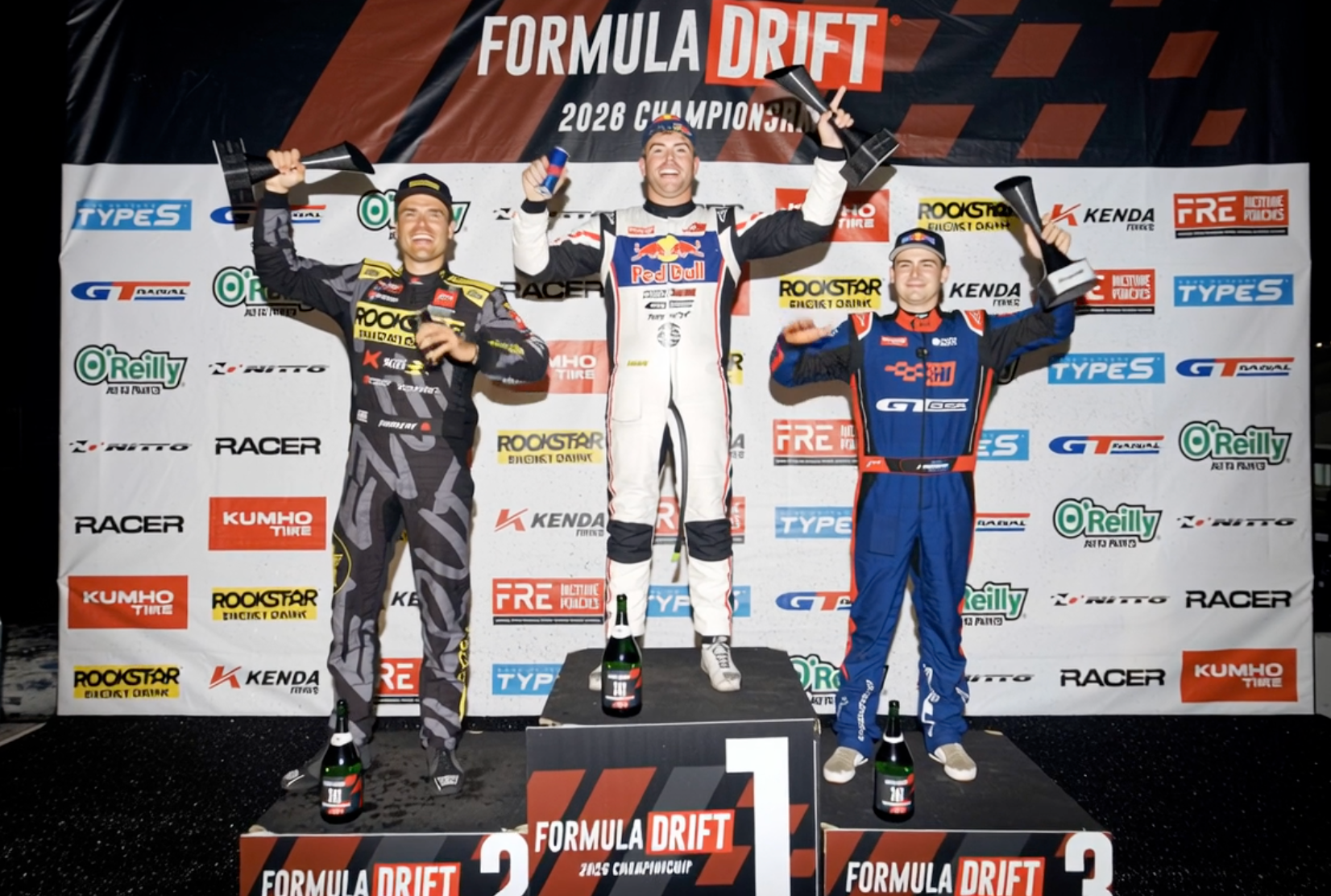
Under the Lights at Evergreen: Conor Shanahan Turns Seattle Into a Title Race
阅读更多关于Under the Lights at Evergreen: Conor Shanahan Turns Seattle Into a Title Race
PCU 是 TPU 的聚碳酸酯子类型,而非新材料。本技术指南介绍 PCU PPF 的适用范围、局限性,以及如何评估供应商声称的方法。
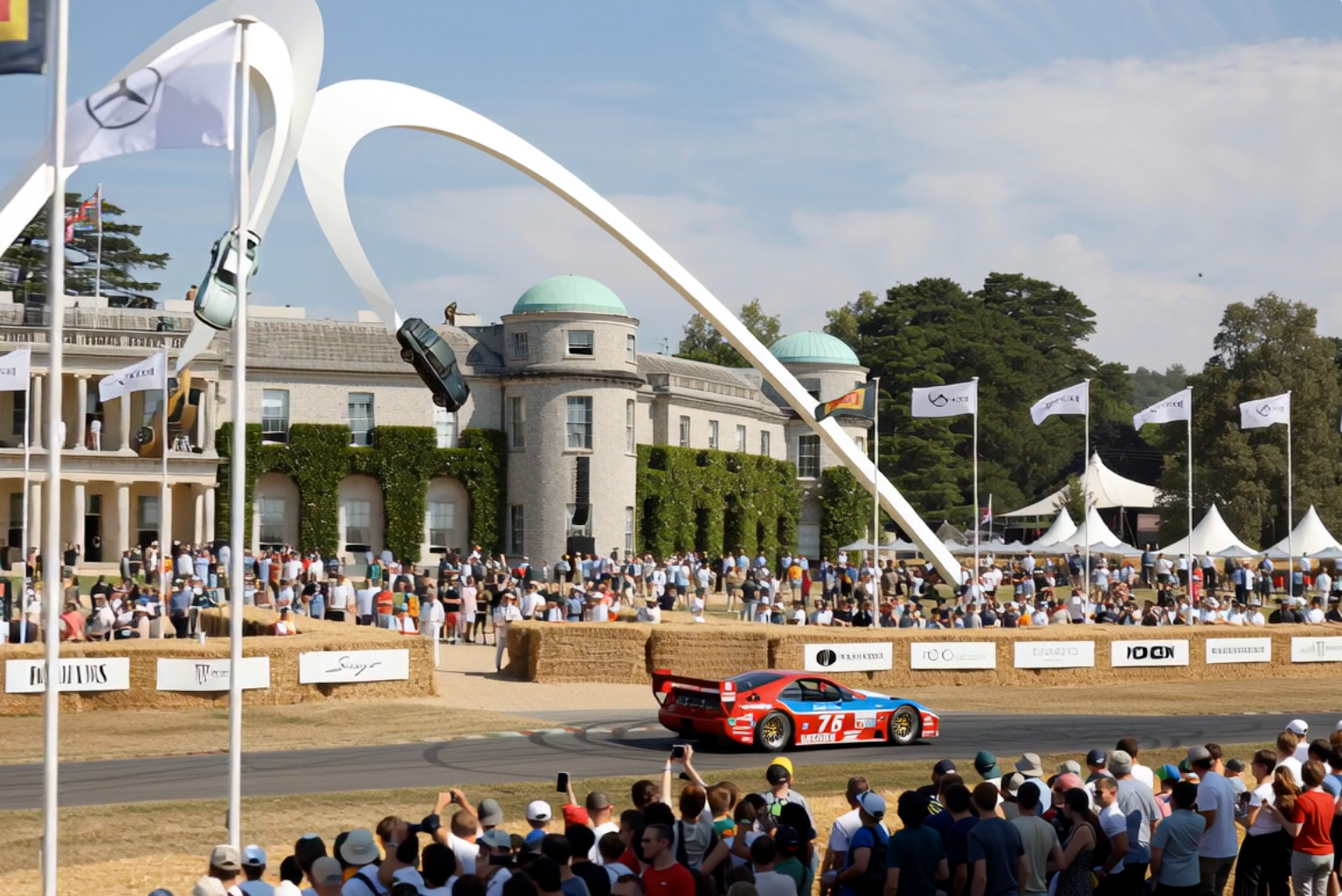
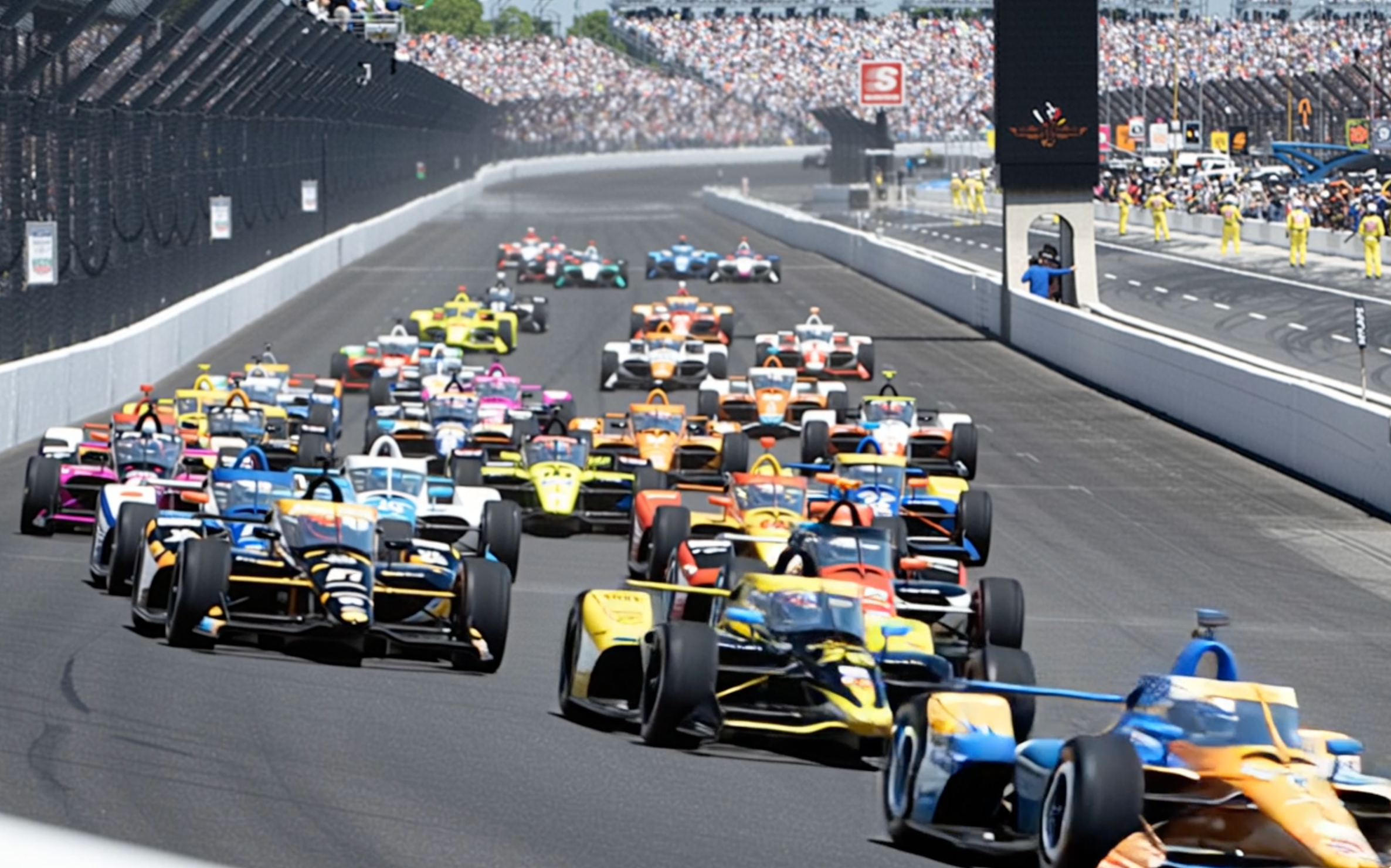
半个车身长度:罗森奎斯特如何将第110届印地500打造成历史上最接近的比赛
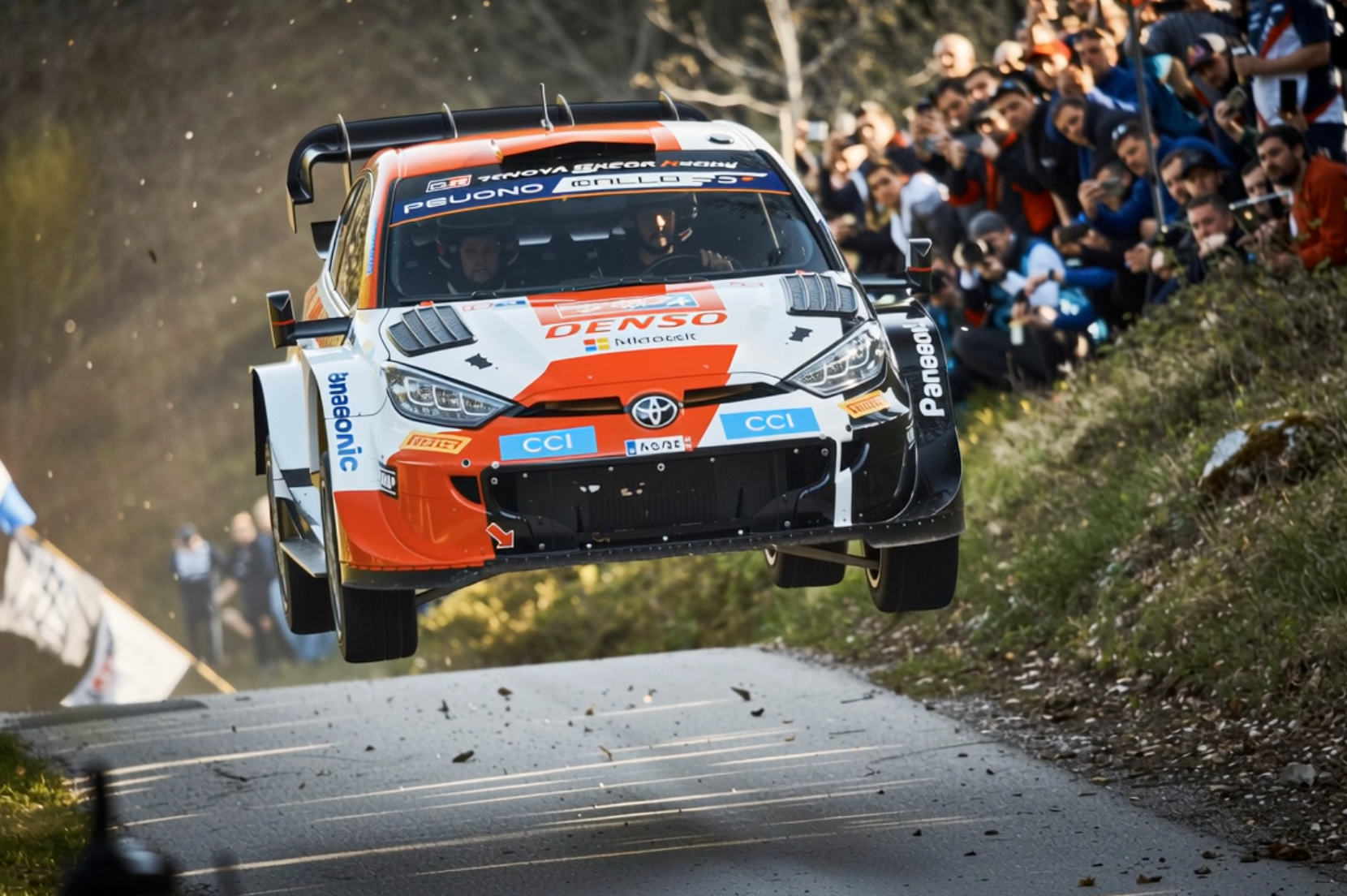

2026年3月29日,这场53圈比赛又创造了历史:19岁的基米·安东内利成为一级方程式赛史上最年轻的多胜赛手和最年轻的积分榜领跑者。
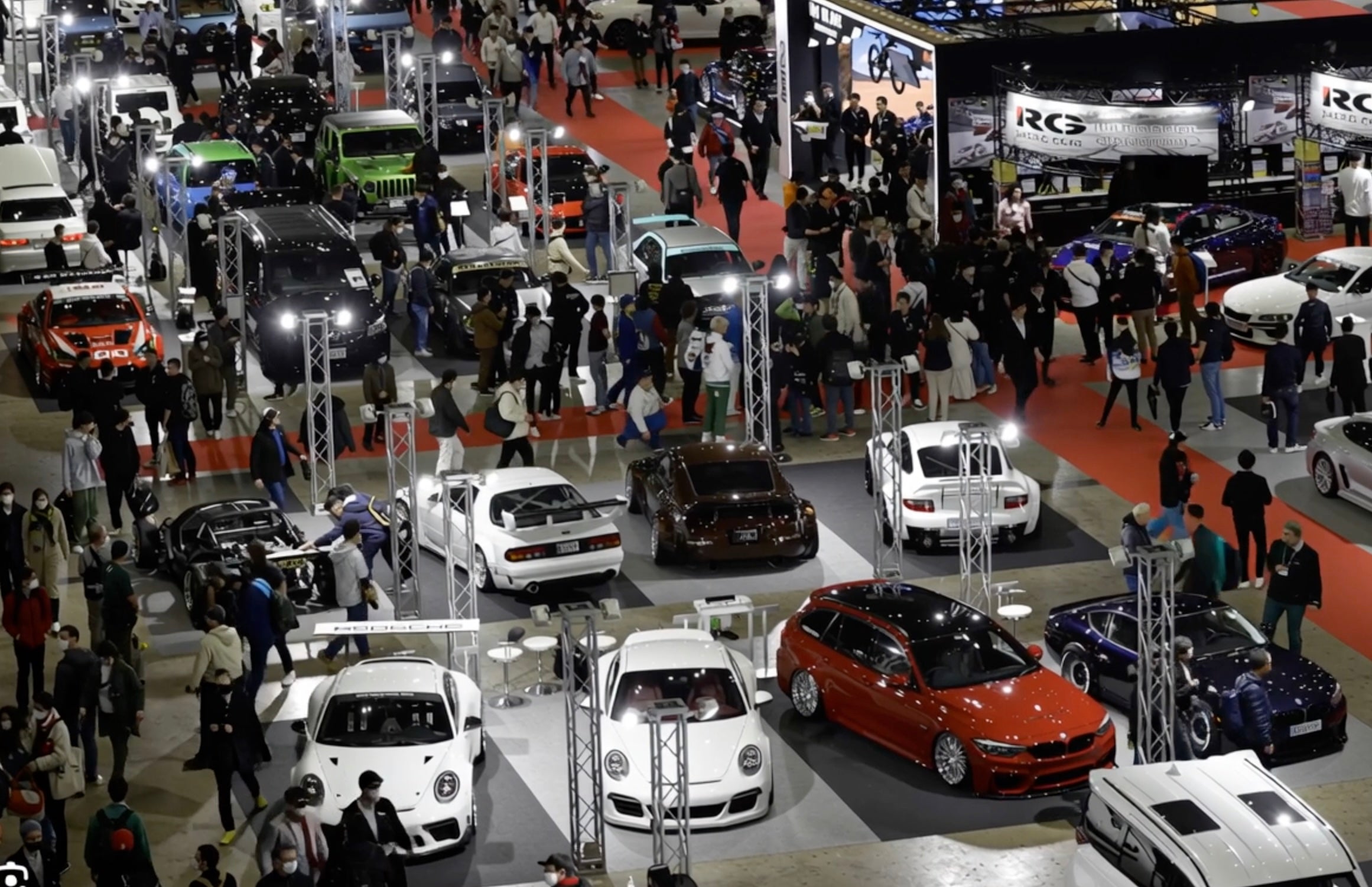
2026年东京改装车展在幕张展览馆汇集了OEM概念车与grassroots创意,丰田GR GT3概念车荣获最高奖项,展现了调校、材料创新和高精度EV改装的蓬勃生机。

2025年布达佩斯-巴马科拉力赛(Budapest–Bamako Rally 2025)庆祝了其第20个周年纪念,采用了从匈牙利到冈比亚的经典路线,经历了难以预测的沙漠挑战,以及经验丰富的Koros Auto Team再次获胜。组织者在非洲最具挑战性的业余赛事中平衡了传统与创新。
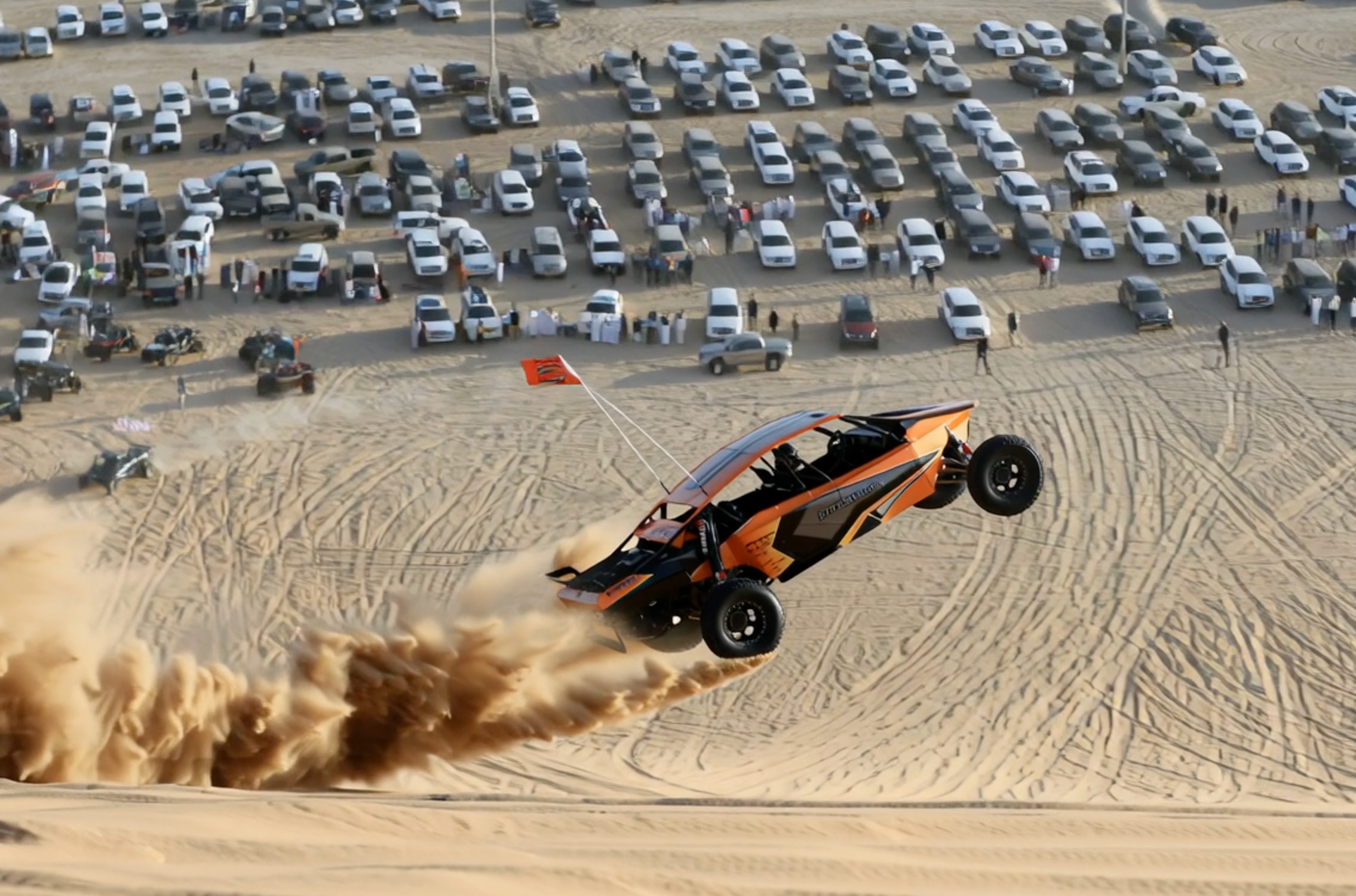
2026年利瓦国际节在阿布扎比Al Dhafra沙漠举办,时间为2025年12月12日至2026年1月3日,吸引了数十万游客参与Tal Moreeb沙丘赛车、拖曳赛和漂移竞赛、传统骆驼和马匹赛事,以及繁忙的利瓦村,其中包括在著名沙丘上的杰出电动车和混合动力车级别胜利。
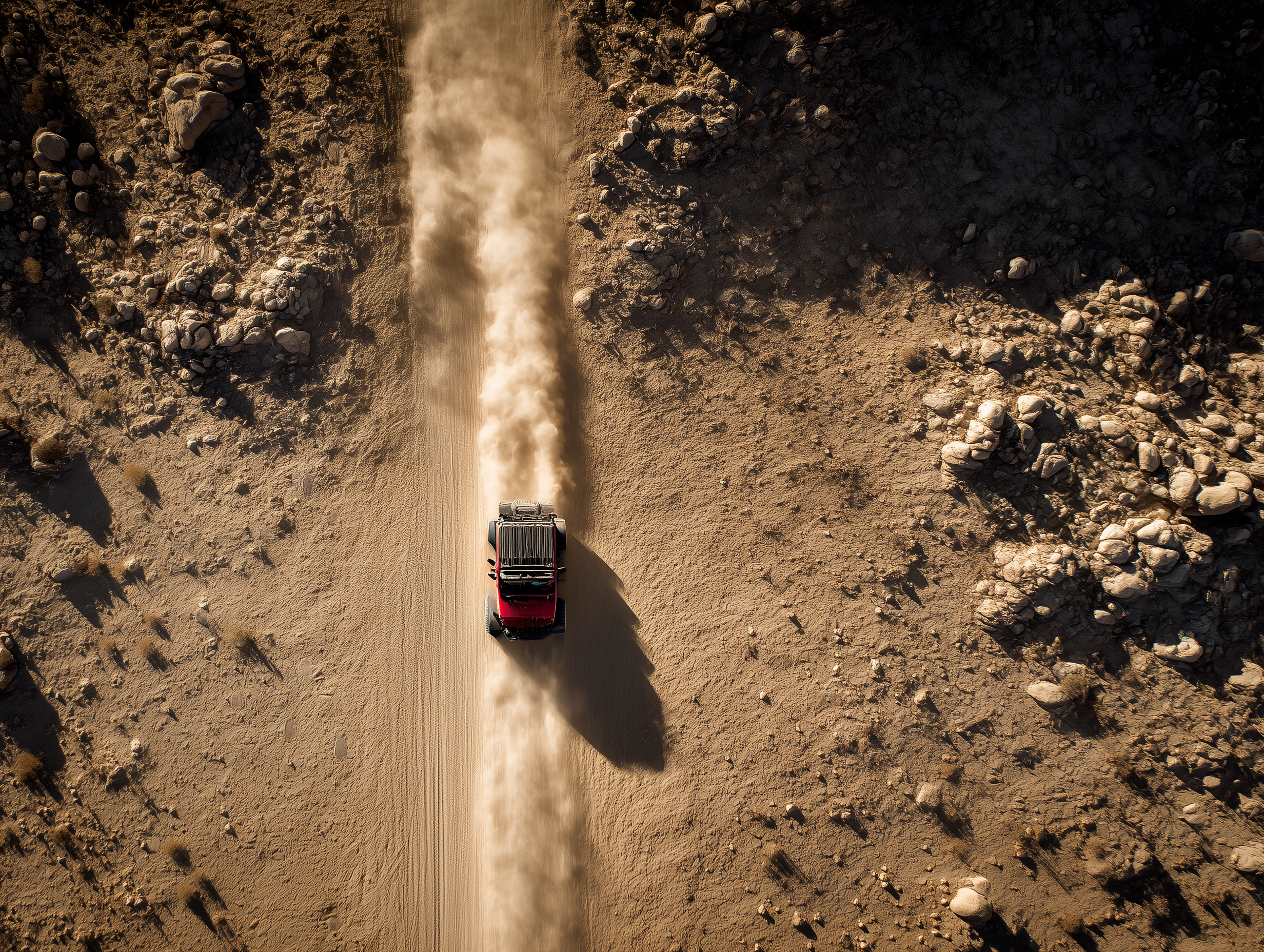
King of the Hammers 2025在Ultra4越野赛中创造了历史性的冷门,Kyle Chaney驾驶UTV在Johnson Valley的恶劣沙漠和岩石路况中获得总体冠军。完整回顾获胜者、天气状况和工程亮点。
