
How UPPF Film Is Made
Our Mission
We set out to build the best-performing film we can stand behind, using materials with a proven track record, and to price it so our partners can earn from it and grow. That’s only half the job. The other half is the business around the film: the systems, training, marketing, and standards that turn a workshop into a full-fledged outlet that stays profitable year after year. We are not in the business of pushing rolls. We are in the business of building a business that endures.
Our approach
UPPF designates specialist production facilities to manufacture its products. That is a deliberate choice, taken by the board in 2025. It changes what we are responsible for, not how much control we have over the film. This page sets out how UPPF film is actually made: what we buy, how we manufacture, and how we verify it.
Why this approach?
For many years UPPF was directly involved in manufacturing. As the market changed, our board of directors reached a clear decision. There are now many competing coating facilities in the world, and operating one no longer makes the film better for the customer. In 2025, after a formal board decision, UPPF completed its move to an asset-light model. Instead of focusing on production, we concentrate on four things: the brand, the product design, the quality control, and the global distribution network.
There are four reasons behind that decision.
Quality rather than quantity
In today's environment where there are many production plants, each one must keep its machines busy. To do that, production plants tend to optimize for quantity. Quality and research become secondary. This is one of the main reasons film quality varies from one batch to the next, and it is a variance the end customer eventually sees.
Dedicated expertise
Clear PPF, coloured PPF, sunroof film, headlight film and window film are genuinely different products. Each needs different machines, different materials and different skills, and no single plant is best at all of them. Even brands that own production machines buy some products from other factories to complete their range. Owning a few production lines, then building a product range around only what those lines can produce, is not the best way to serve customers. Instead, we designate specialized production partners for each type of film.
Leading film brands work this way
Many of the most respected film brands in the world use the same model. They own the brand, the engineering and the quality standards, and they work with specialist factories to manufacture. Much of the branded film sold today is made on base film from a small number of large material suppliers. Each brand then adds its own topcoat, its own adhesive and its own quality control. The difference between brands is made in those three layers, not in who owns the coater.
Independence improves quality and agility
When UPPF was both a brand and a plant operator, many producers treated us as a competitor. That made it harder to source the best materials and to build strong supplier partnerships. As a brand that is not bound to any single plant, we are free to select the best material and designate the best production facility for each product, and to change those choices as the market moves.
What UPPF controls
We are not bound to any single production facility, and we control every step that affects the quality of the film. This is the same way that Apple products are made in Taiwan, India and China.
Premium raw materials
We source our TPU base film and our adhesives directly from the world's leading material suppliers. These materials have the largest single effect on how a film performs over many years. We specify the best available quality, including where it costs more.
Specialist production
We designate the best specialist production plant for each type of film. Every product is manufactured to our own topcoat and adhesive systems rather than to a factory's house specification.
Quality control in three stages
Every order is checked three times. First we inspect the raw materials on arrival. Second we supervise production at the factory. Third we test the finished film before it ships.
Independent laboratory testing
Standard performance testing is done in our own laboratory at our Shanghai office. For deeper analysis we work with independent, certified laboratories, which perform advanced tests including infrared spectroscopy, NMR (nuclear magnetic resonance) and GPC (gel permeation chromatography). Most production plants cannot run these tests at all.
They do two things for us. They confirm that our raw materials are genuine and match specification. More importantly, they confirm that the film holds its performance over years rather than months, which is precisely where weaker films fail and where a specification sheet tells you nothing.
Investment in research
Capital that would otherwise be tied up in operating machinery goes into research and development instead, which is what allows the range to keep moving as partners' needs change.
What this means for partners
UPPF is an established brand with a global network built over many years. Because of the model above, we can offer partners and distributors a premium product range, fair pricing, consistent quality and reliable supply, while controlling the chain from raw material to finished film.
A production facility is only one part of a film. The brand, the materials, the standards, and the trust built over many years are what make the real difference.
Common questions
UPPF 直接營運生產線嗎?
UPPF 膜是如何製造的?
UPPF 如何控制膜的品質?
UPPF 進行了哪些獨立實驗室測試?
UPPF 的輕資產模式對合作夥伴和經銷商意味著什麼?
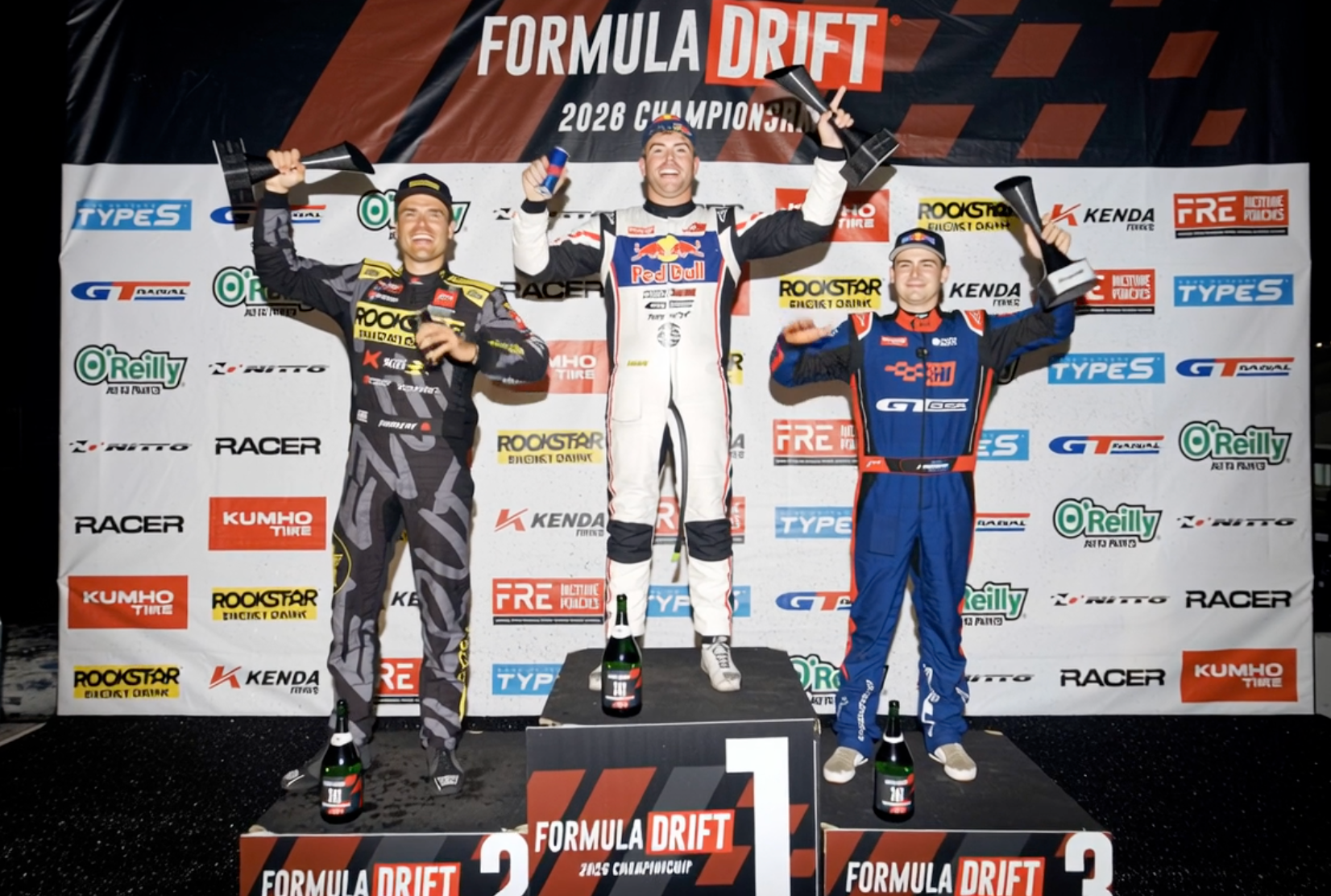
Under the Lights at Evergreen: Conor Shanahan Turns Seattle Into a Title Race
閱讀全文關於Under the Lights at Evergreen: Conor Shanahan Turns Seattle Into a Title Race
PCU 是 TPU 的聚碳酸酯子類型,不是新材料。這是一份技術指南,說明 PCU PPF 的優勢所在、其局限之處,以及如何評判供應商聲稱。
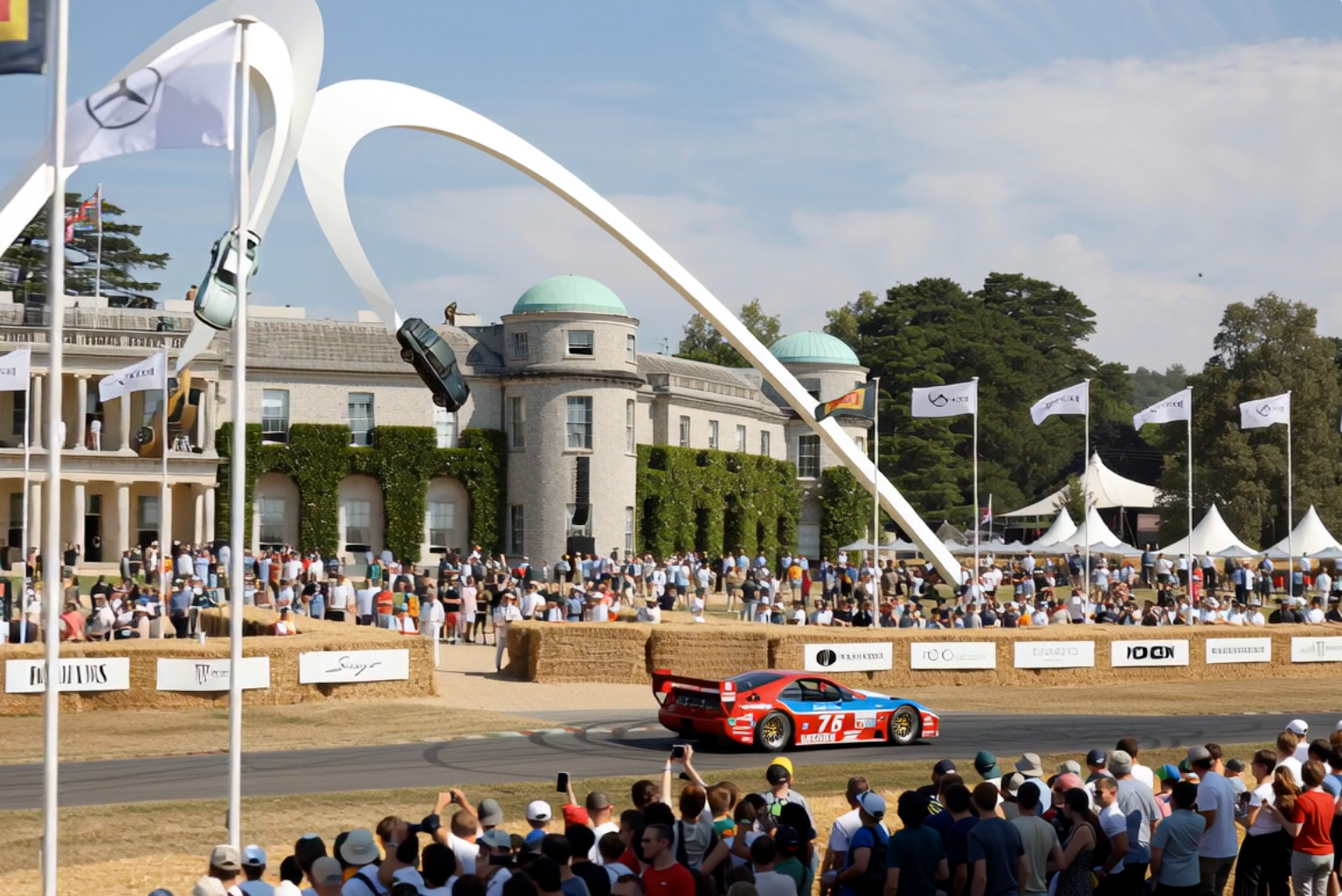
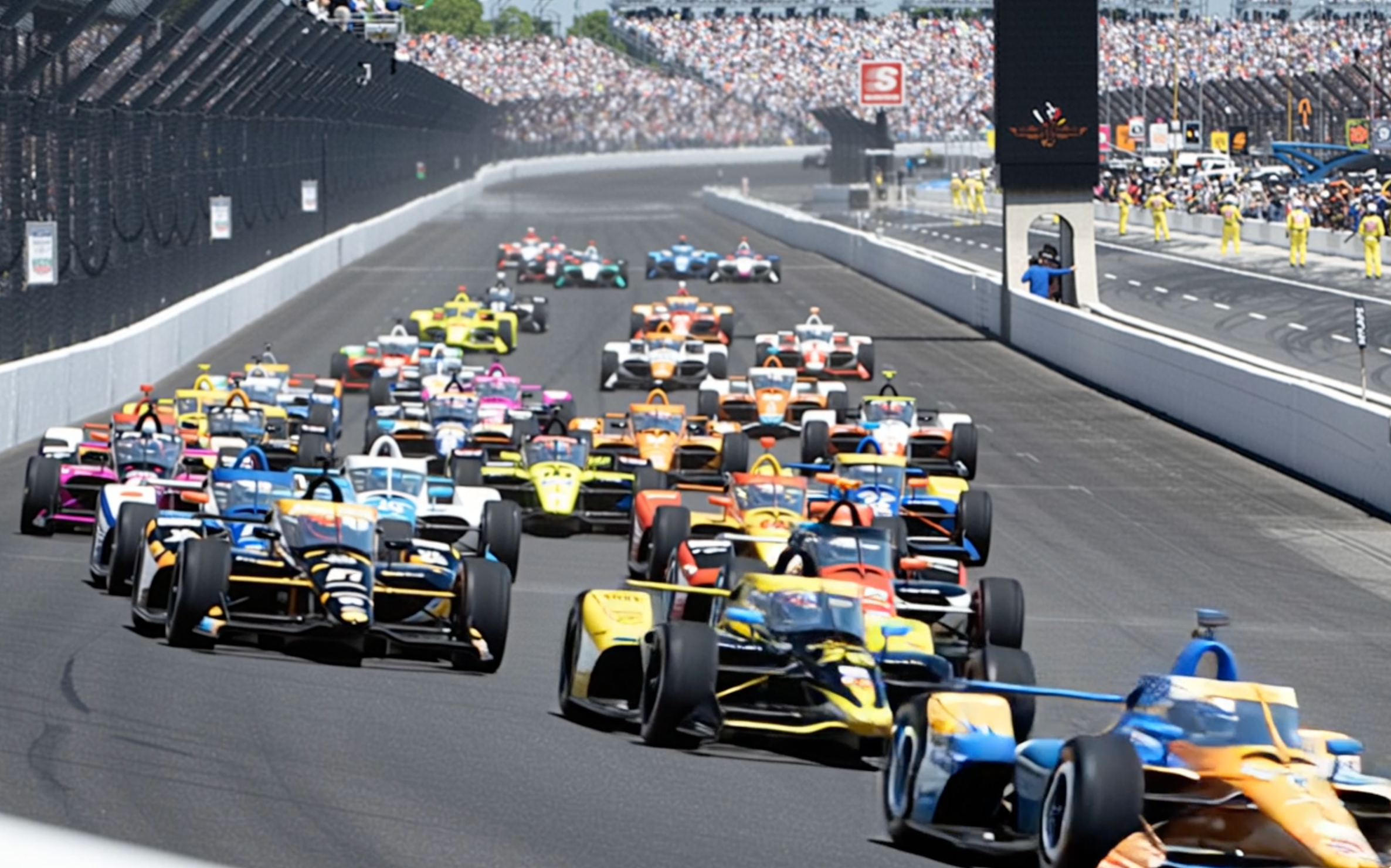
半個車身長度:羅森奎斯特如何將第110屆印地500打造成歷史上最接近的比賽
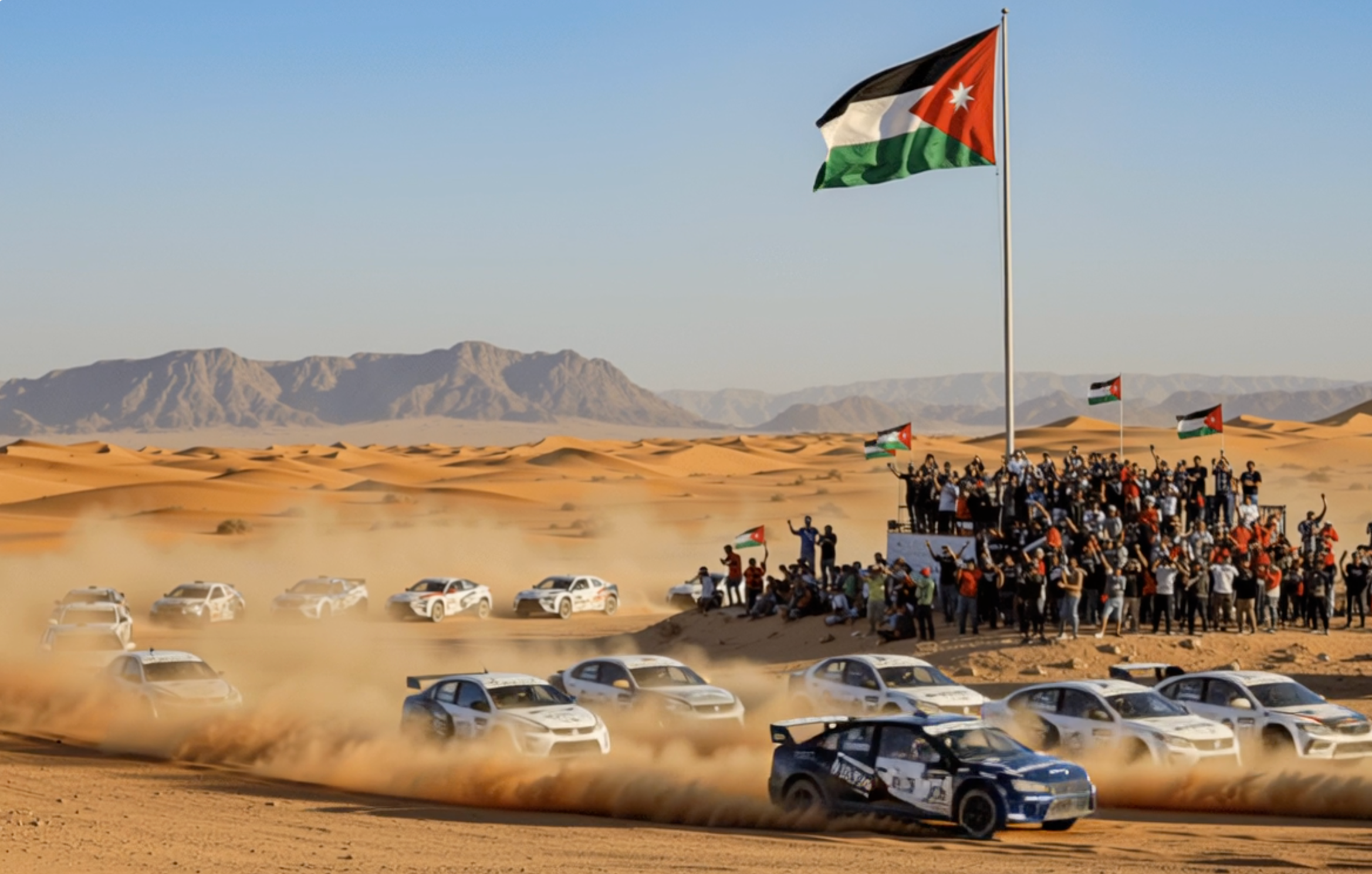
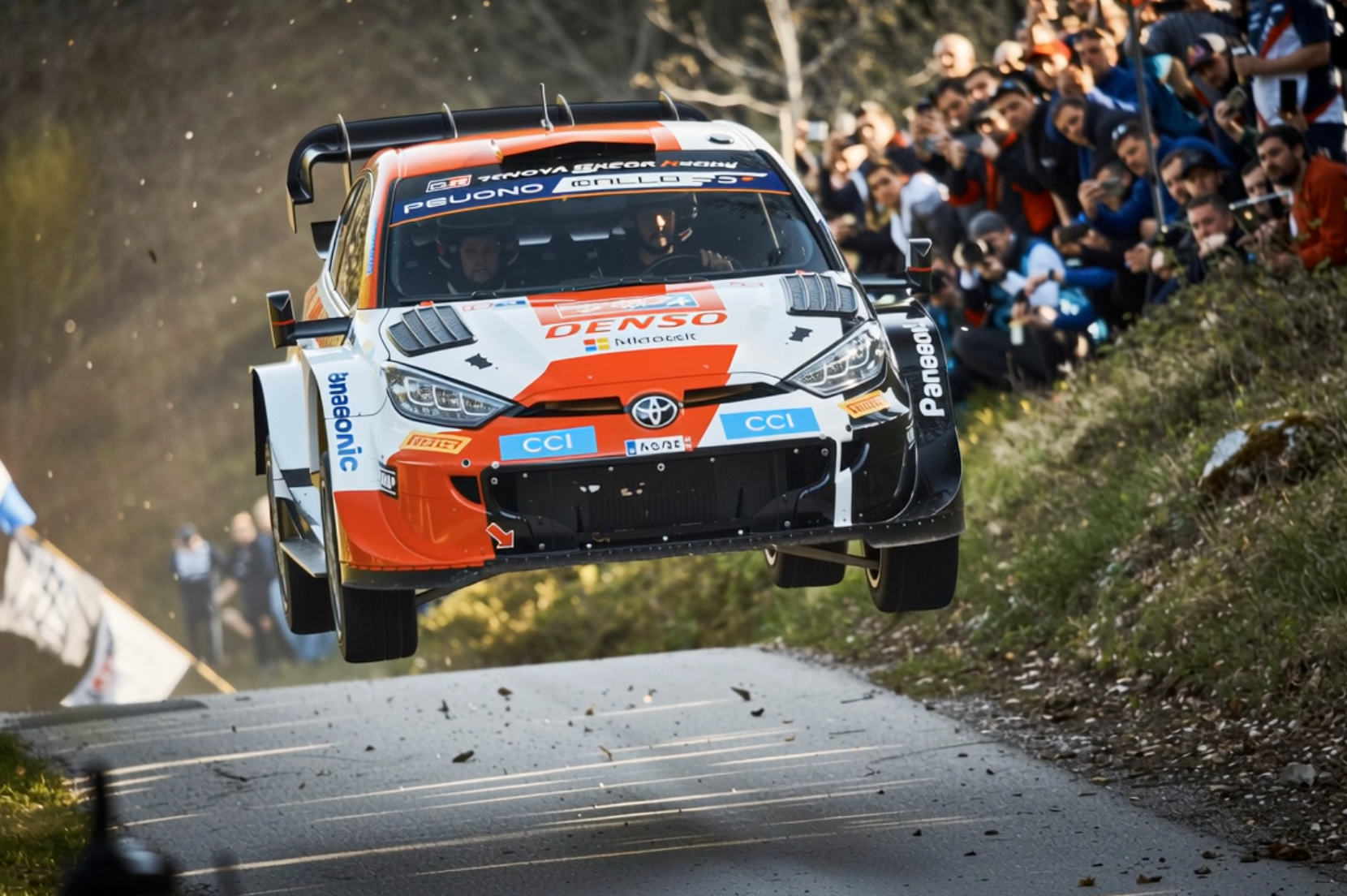

在2026年3月29日,其53圈賽事譜寫了另一篇章節:19歲的Kimi Antonelli成為一級方程式史上最年輕的多勝利贏家和最年輕的錦標賽領跑者。
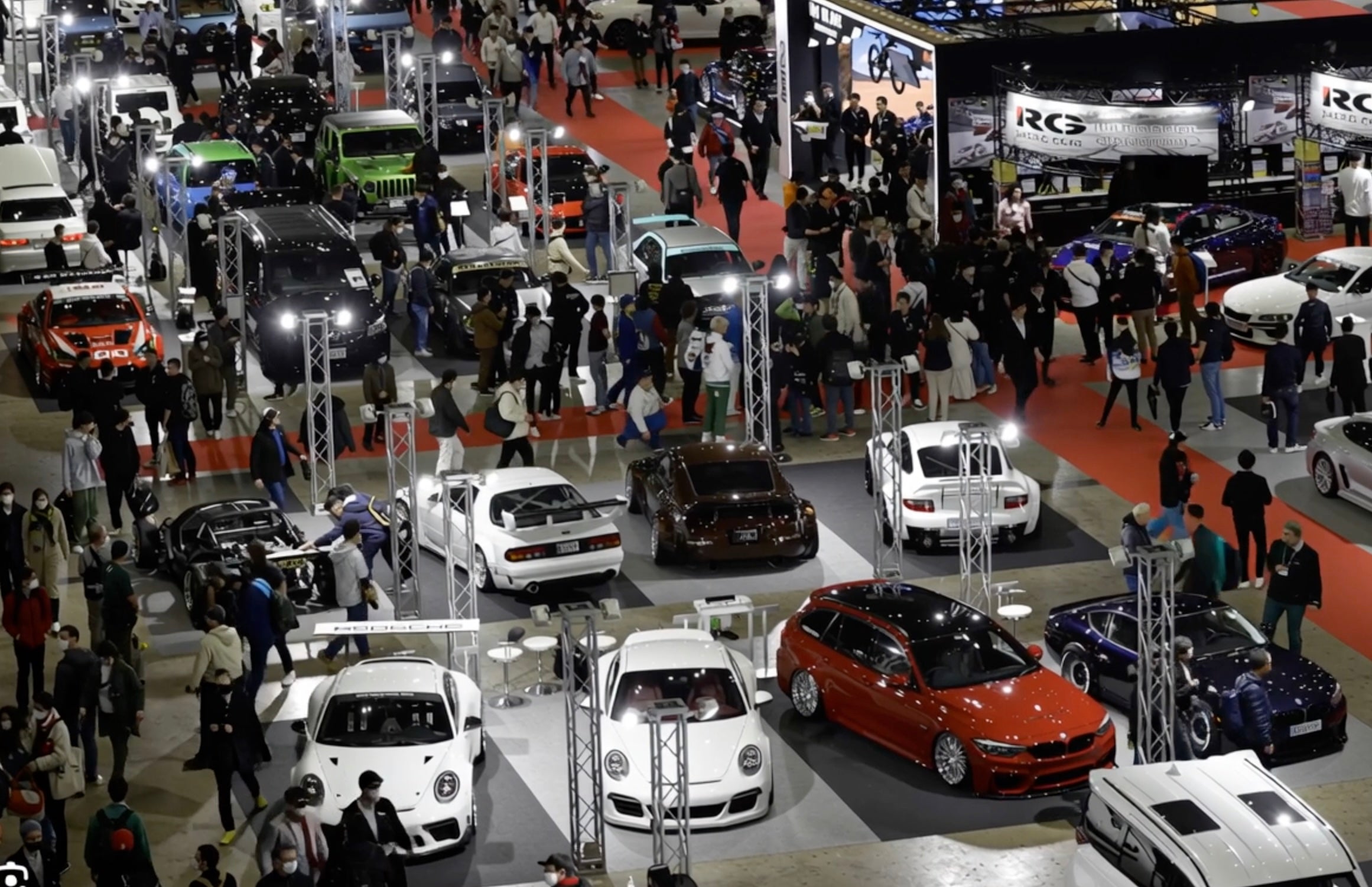
2026年東京オートサロン (Makuhari Messe 開催) では、OEM コンセプトとグラスルーツ創意が混在し、Toyota の GR GT3 Concept が最高の栄誉を獲得し、チューニング、素材革新、および高いフィットメント EV コンバージョンに対する新たなエネルギーが燃え広がった。

2025年布達佩斯-巴馬科拉力賽慶祝其20週年紀念,採用從匈牙利到甘比亞的經典路線,經歷了難以預測的沙漠戲劇,以及經驗豐富的Koros Auto Team再次奪冠。組織方在非洲最具挑戰性的業餘賽道上取得了傳統與適應的平衡。
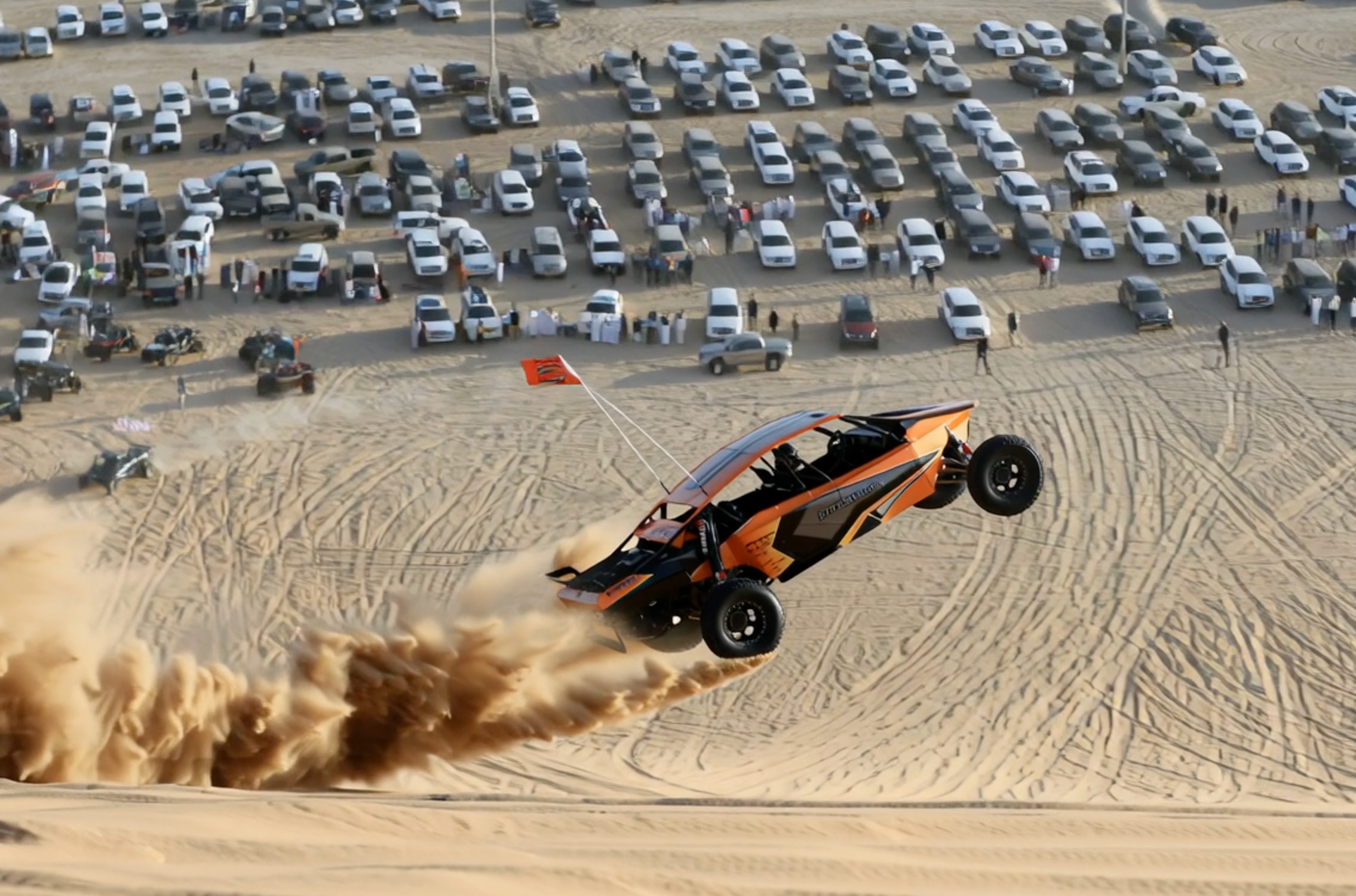
2026年Liwa國際節在阿布達比Al Dhafra沙漠舉行,時間從2025年12月12日至2026年1月3日,吸引了數十萬遊客參加Tal Moreeb沙丘賽車、拖曳和漂移競賽、傳統駱駝和馬術賽事,以及繁忙的Liwa Village,其中包括在著名沙丘上進行的傑出電動和混合動力賽跑的組別勝利。
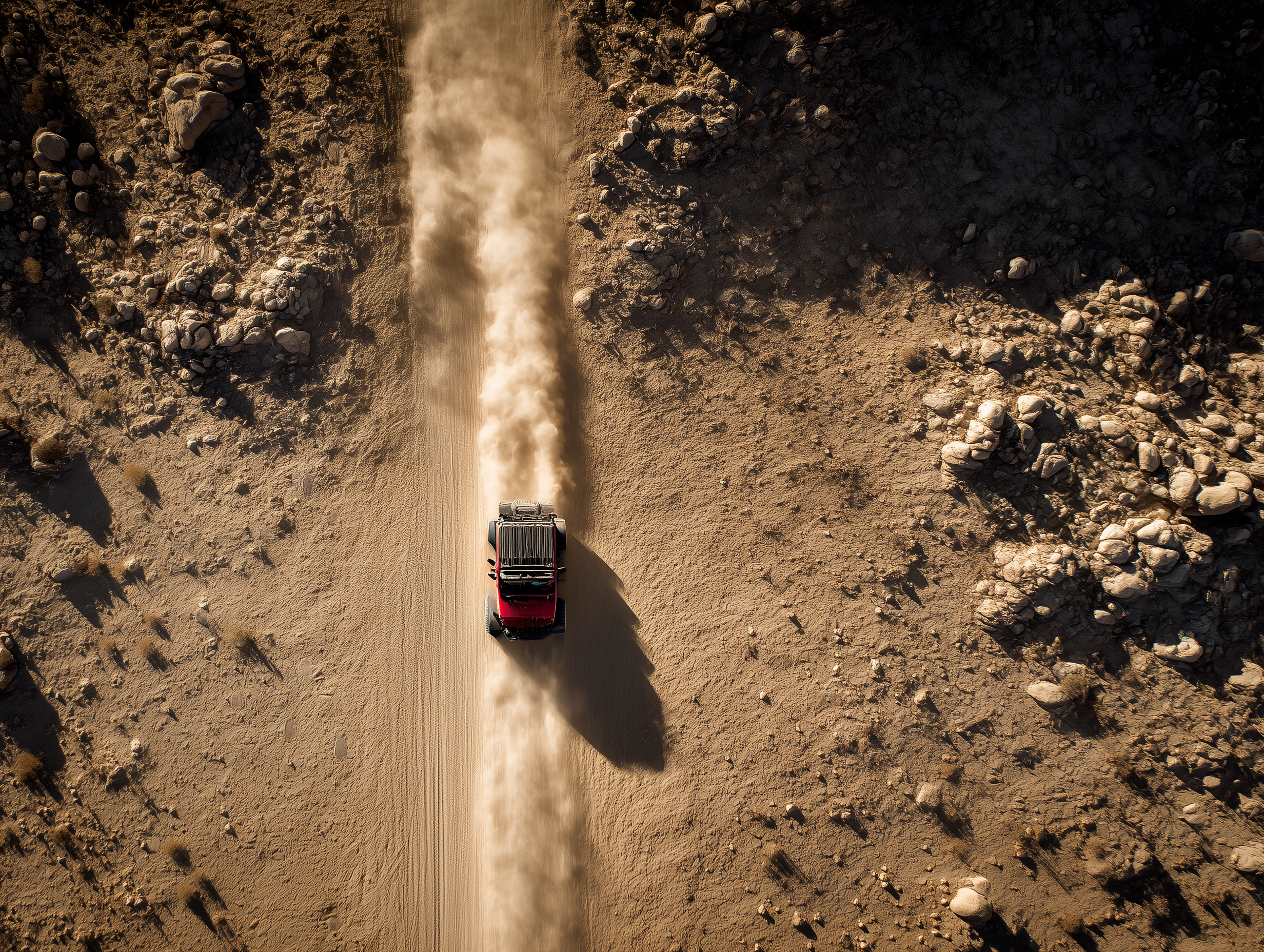
2025年Hammers之王在Ultra4越野賽中帶來了歷史性的爆冷,Kyle Chaney駕駛一台UTV在Johnson Valley的艱苦沙漠和岩石路況中獲得總體勝利。完整回顧贏家、天氣和工程故事。
