
How UPPF Film Is Made
Our Mission
We set out to build the best-performing film we can stand behind, using materials with a proven track record, and to price it so our partners can earn from it and grow. That’s only half the job. The other half is the business around the film: the systems, training, marketing, and standards that turn a workshop into a full-fledged outlet that stays profitable year after year. We are not in the business of pushing rolls. We are in the business of building a business that endures.
Our approach
UPPF designates specialist production facilities to manufacture its products. That is a deliberate choice, taken by the board in 2025. It changes what we are responsible for, not how much control we have over the film. This page sets out how UPPF film is actually made: what we buy, how we manufacture, and how we verify it.
Why this approach?
For many years UPPF was directly involved in manufacturing. As the market changed, our board of directors reached a clear decision. There are now many competing coating facilities in the world, and operating one no longer makes the film better for the customer. In 2025, after a formal board decision, UPPF completed its move to an asset-light model. Instead of focusing on production, we concentrate on four things: the brand, the product design, the quality control, and the global distribution network.
There are four reasons behind that decision.
Quality rather than quantity
In today's environment where there are many production plants, each one must keep its machines busy. To do that, production plants tend to optimize for quantity. Quality and research become secondary. This is one of the main reasons film quality varies from one batch to the next, and it is a variance the end customer eventually sees.
Dedicated expertise
Clear PPF, coloured PPF, sunroof film, headlight film and window film are genuinely different products. Each needs different machines, different materials and different skills, and no single plant is best at all of them. Even brands that own production machines buy some products from other factories to complete their range. Owning a few production lines, then building a product range around only what those lines can produce, is not the best way to serve customers. Instead, we designate specialized production partners for each type of film.
Leading film brands work this way
Many of the most respected film brands in the world use the same model. They own the brand, the engineering and the quality standards, and they work with specialist factories to manufacture. Much of the branded film sold today is made on base film from a small number of large material suppliers. Each brand then adds its own topcoat, its own adhesive and its own quality control. The difference between brands is made in those three layers, not in who owns the coater.
Independence improves quality and agility
When UPPF was both a brand and a plant operator, many producers treated us as a competitor. That made it harder to source the best materials and to build strong supplier partnerships. As a brand that is not bound to any single plant, we are free to select the best material and designate the best production facility for each product, and to change those choices as the market moves.
What UPPF controls
We are not bound to any single production facility, and we control every step that affects the quality of the film. This is the same way that Apple products are made in Taiwan, India and China.
Premium raw materials
We source our TPU base film and our adhesives directly from the world's leading material suppliers. These materials have the largest single effect on how a film performs over many years. We specify the best available quality, including where it costs more.
Specialist production
We designate the best specialist production plant for each type of film. Every product is manufactured to our own topcoat and adhesive systems rather than to a factory's house specification.
Quality control in three stages
Every order is checked three times. First we inspect the raw materials on arrival. Second we supervise production at the factory. Third we test the finished film before it ships.
Independent laboratory testing
Standard performance testing is done in our own laboratory at our Shanghai office. For deeper analysis we work with independent, certified laboratories, which perform advanced tests including infrared spectroscopy, NMR (nuclear magnetic resonance) and GPC (gel permeation chromatography). Most production plants cannot run these tests at all.
They do two things for us. They confirm that our raw materials are genuine and match specification. More importantly, they confirm that the film holds its performance over years rather than months, which is precisely where weaker films fail and where a specification sheet tells you nothing.
Investment in research
Capital that would otherwise be tied up in operating machinery goes into research and development instead, which is what allows the range to keep moving as partners' needs change.
What this means for partners
UPPF is an established brand with a global network built over many years. Because of the model above, we can offer partners and distributors a premium product range, fair pricing, consistent quality and reliable supply, while controlling the chain from raw material to finished film.
A production facility is only one part of a film. The brand, the materials, the standards, and the trust built over many years are what make the real difference.
Common questions
UPPF exploite-t-elle directement une ligne de production ?
Comment la pellicule UPPF est-elle fabriquée ?
Comment UPPF contrôle-t-elle la qualité de la pellicule ?
Quel type de tests de laboratoire indépendants UPPF réalise-t-elle ?
Que signifie le modèle sans actifs d'UPPF pour les partenaires et les distributeurs ?
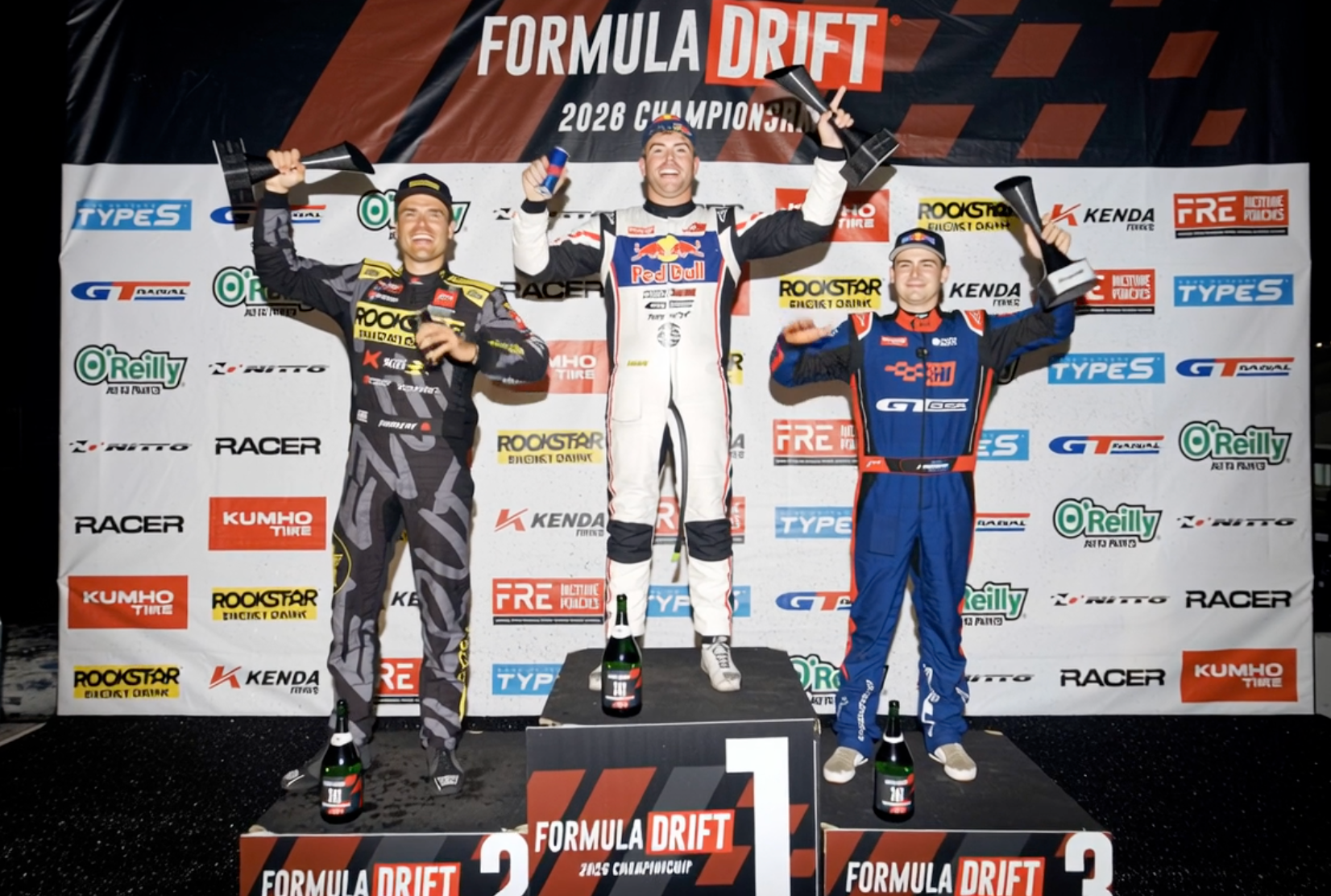
Under the Lights at Evergreen: Conor Shanahan Turns Seattle Into a Title Race
Plussur Under the Lights at Evergreen: Conor Shanahan Turns Seattle Into a Title Race
PCU vs TPU PPF: Ce que la chimie nous dit
PCU est un sous-type de polycarbonate de TPU, et non un nouveau matériau. Un guide technique sur les domaines où PCU PPF aide, où il échoue, et comment évaluer les affirmations des fournisseurs.
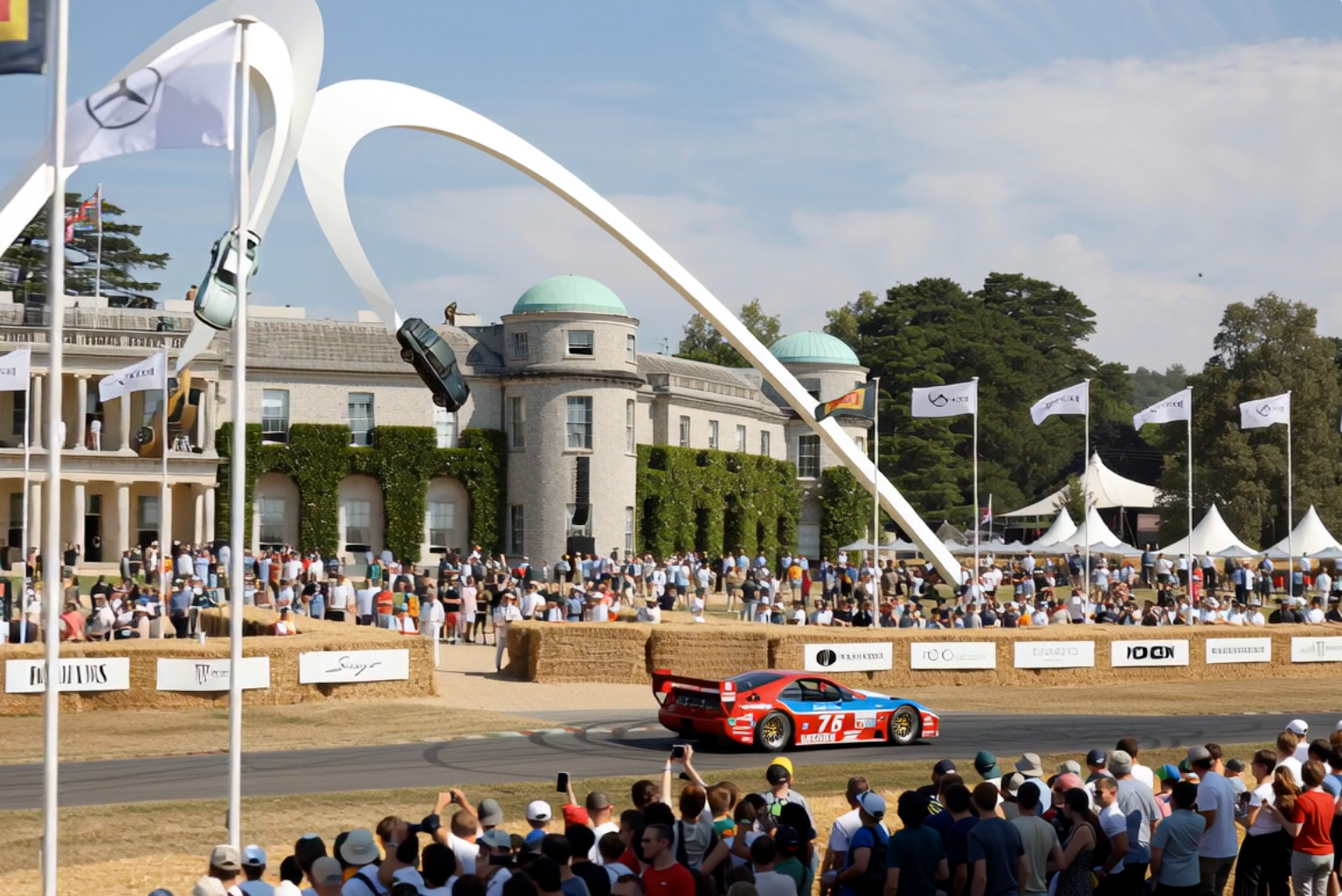
Romain Dumas remporte le Goodwood Festival of Speed
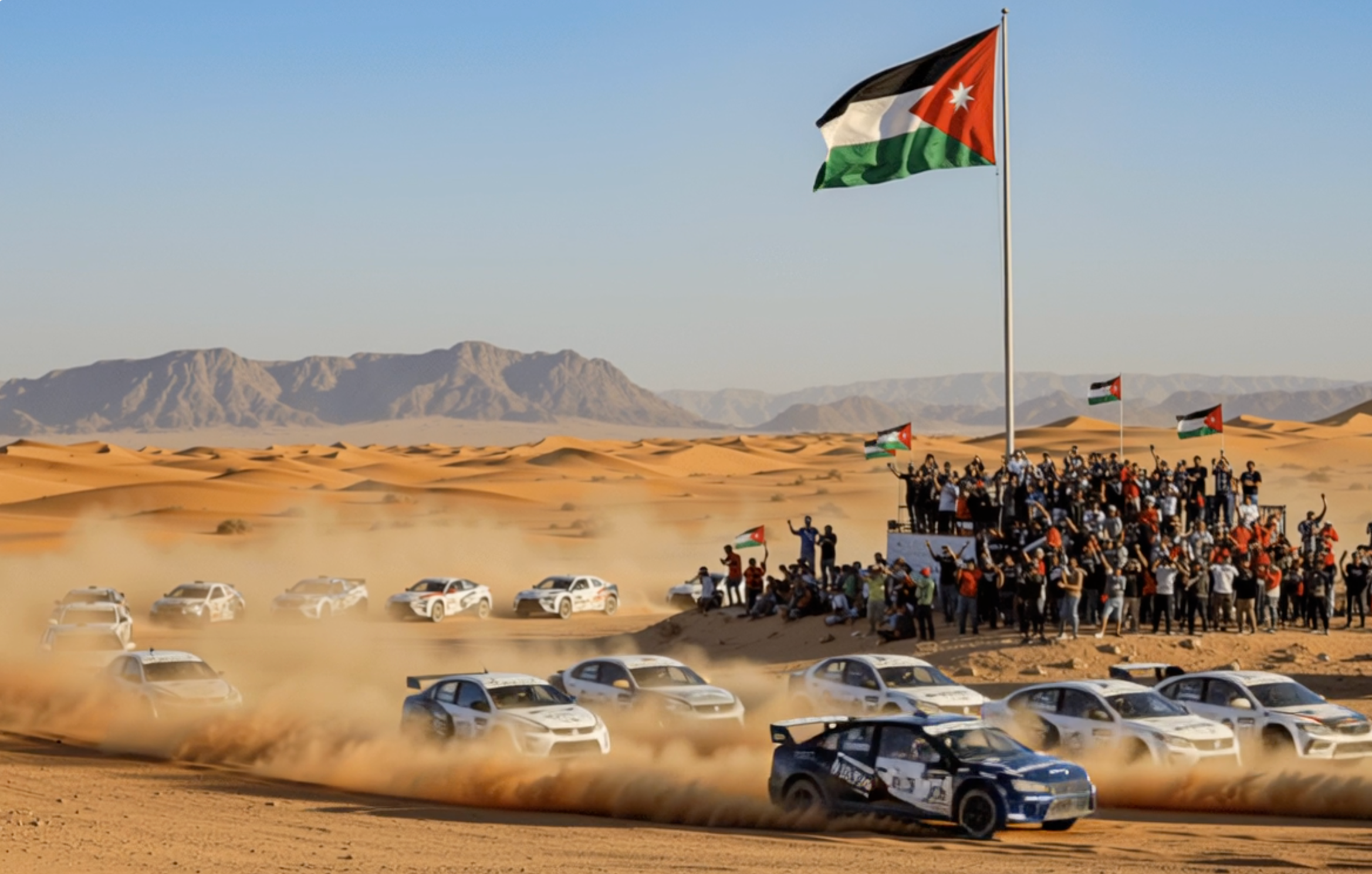
Sous le niveau de la mer : Le Rallye de Jordanie et la quête silencieuse d'un 18e record
Plussur Sous le niveau de la mer : Le Rallye de Jordanie et la quête silencieuse d'un 18e record
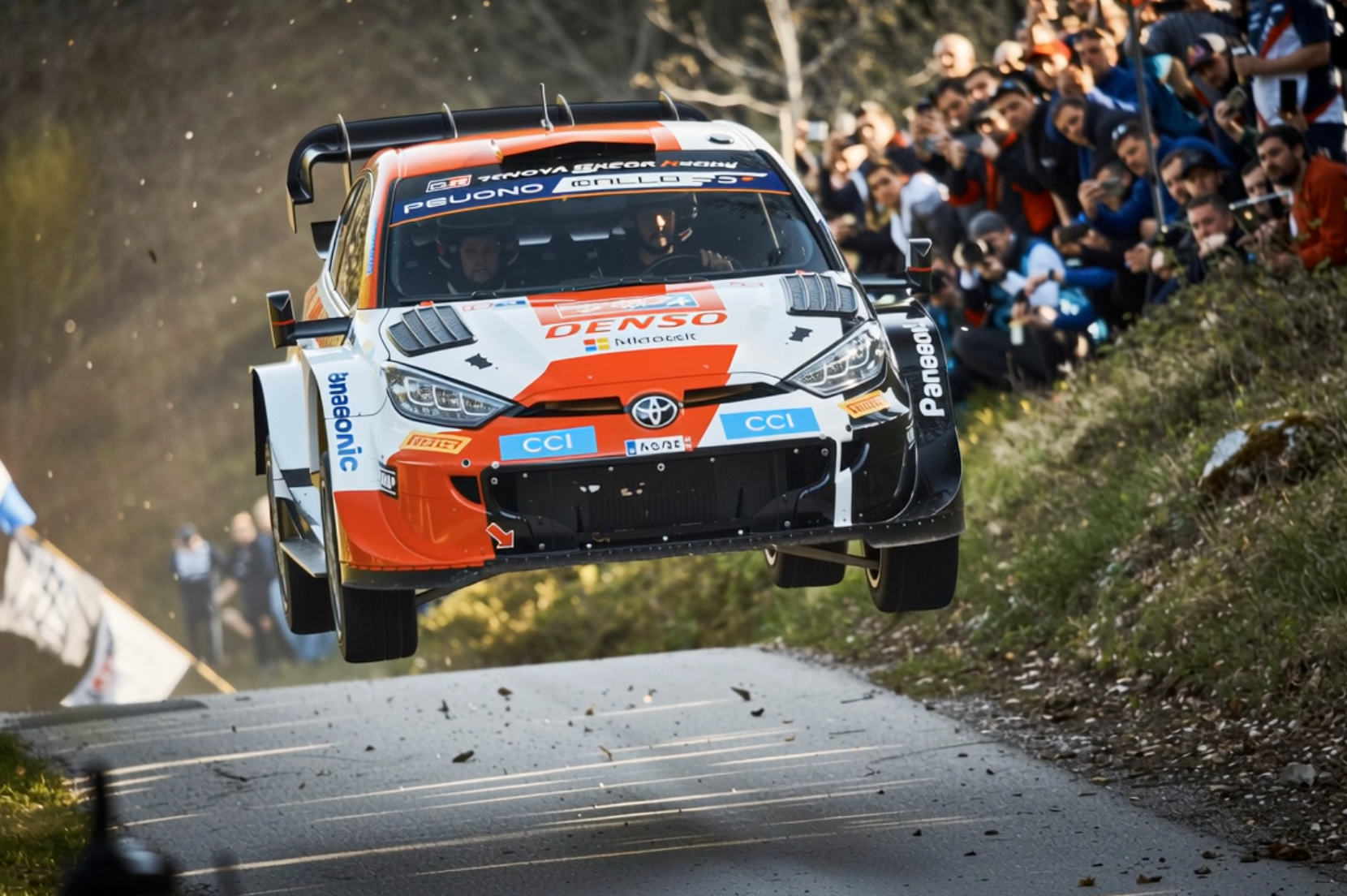
Le Rallye de Croatie revient : une nouvelle côte, le même bitume impitoyable
Plussur Le Rallye de Croatie revient : une nouvelle côte, le même bitume impitoyable

Grand Prix du Japon 2026 : le cours magistral de Suzuka d'Antonelli
Le 29 mars 2026, sa course de 53 tours a livré un nouveau chapitre : Kimi Antonelli, 19 ans, devenant le plus jeune pilote à plusieurs victoires et le plus jeune leader du championnat de l'histoire de la Formule 1.
Plussur Grand Prix du Japon 2026 : le cours magistral de Suzuka d'Antonelli
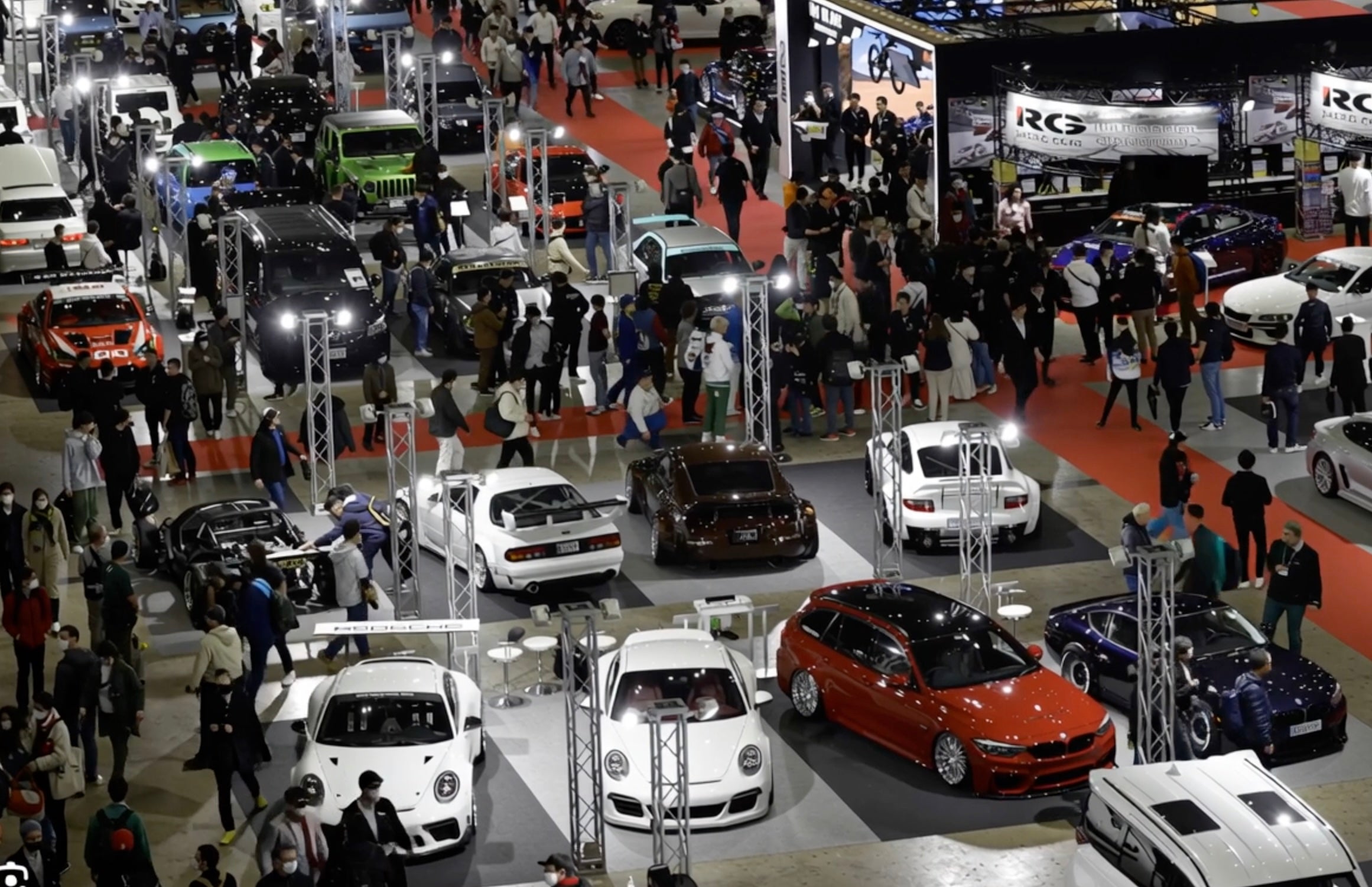
Salon de l'automobile de Tokyo 2026
Le Tokyo Auto Salon 2026 au Makuhari Messe a mêlé concepts de constructeurs et créativité amateur, le GR GT3 Concept de Toyota décrochant la plus haute distinction, porté par un regain d'énergie pour le tuning, l'innovation des matériaux et les conversions électriques ajustées au plus près.

Budapest–Bamako Rally 2025 a célébré son 20e anniversaire avec un parcours classique de la Hongrie à la Gambie, des drames désertiques imprévisibles et une nouvelle victoire pour l'équipe expérimentée Koros Auto Team. Les organisateurs ont trouvé l'équilibre entre tradition et adaptation sur l'étape amateure la plus exigeante d'Afrique.
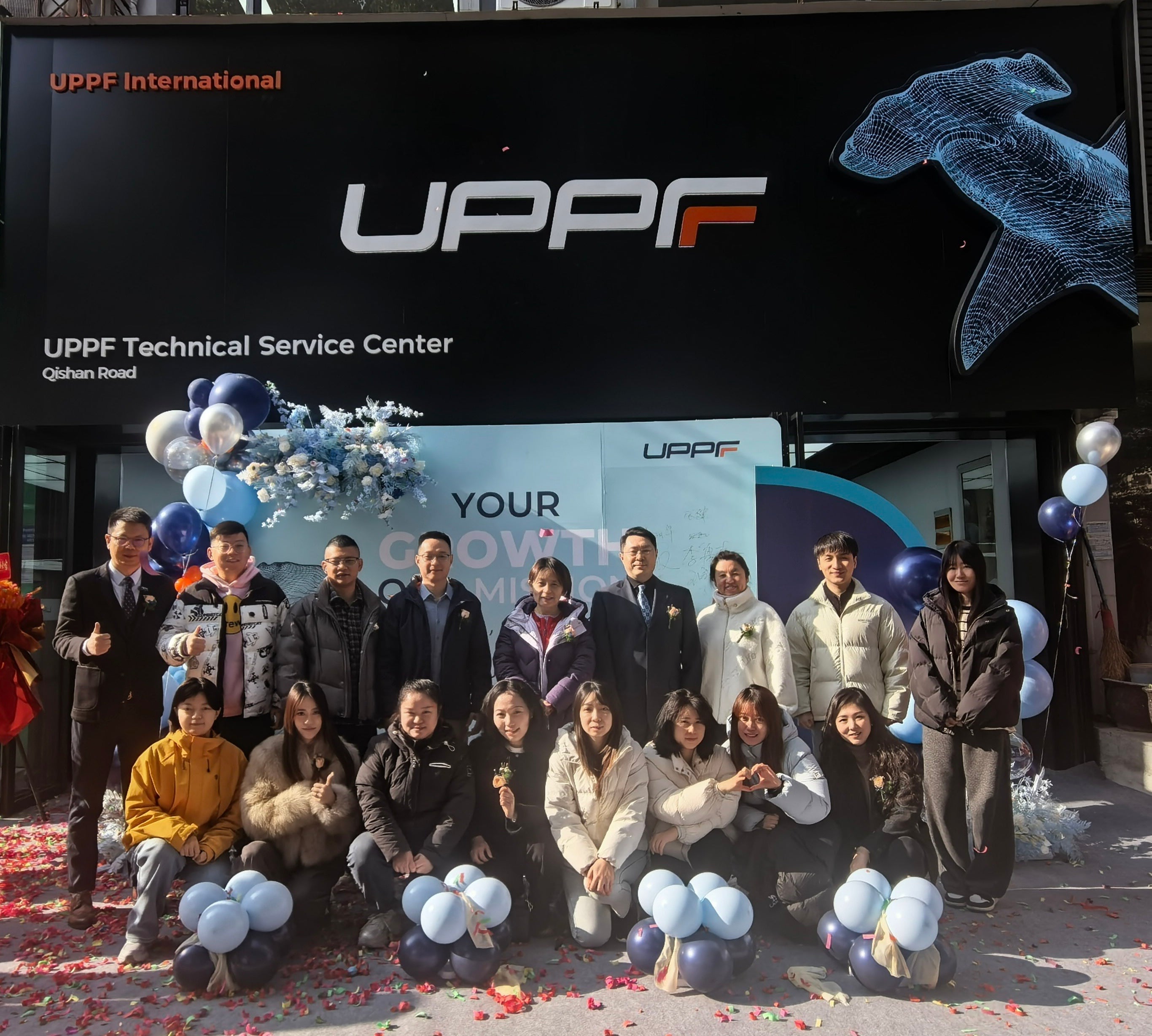
UPPF Ouvre un Centre Technique à Shanghai
UPPF ouvre son Centre Technique de Shanghai pour accélérer le support produit, la gestion de la qualité et la formation des installateurs
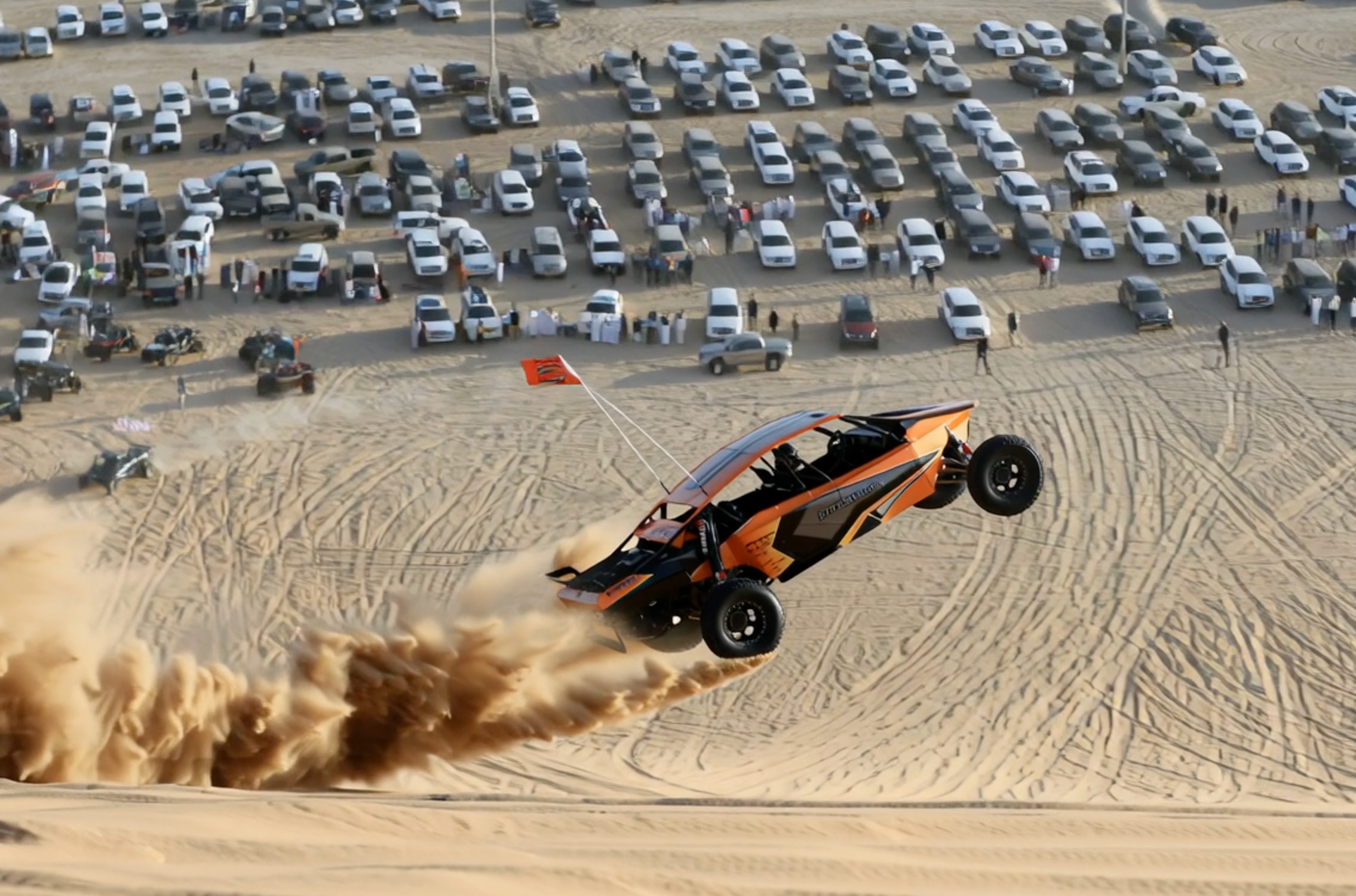
Festival International de Liwa Abu Dhabi
Le Liwa International Festival 2026, dans le désert d'Al Dhafra à Abu Dhabi, s'est déroulé du 12 décembre 2025 au 3 janvier 2026, attirant plusieurs centaines de milliers de visiteurs pour les courses de dunes de Tal Moreeb, les compétitions d'accélération et de drift, les épreuves traditionnelles de chameaux et de chevaux, et un Liwa Village animé, avec des victoires de classe incluant des performances remarquables en EV et en hybride sur la célèbre colline de sable.
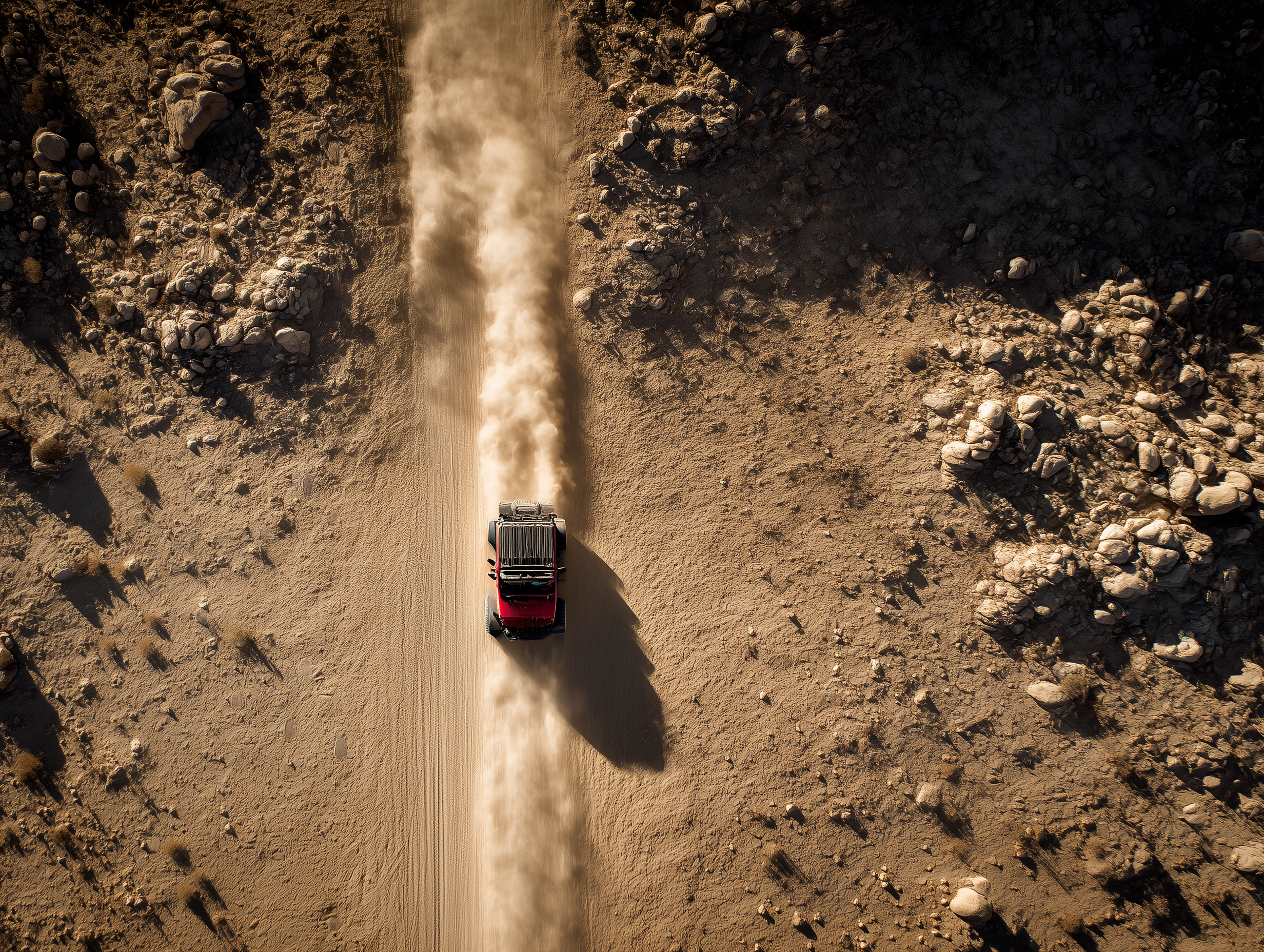
King of the Hammers 2025 a livré un bouleversement historique dans les courses tout-terrain Ultra4, avec Kyle Chaney pilotant un UTV à la victoire globale dans les conditions désertiques et rocheuses éprouvantes de Johnson Valley. Récapitulatif complet des vainqueurs, des conditions météorologiques et des enjeux d'ingénierie.
