
How UPPF Film Is Made
Our Mission
We set out to build the best-performing film we can stand behind, using materials with a proven track record, and to price it so our partners can earn from it and grow. That’s only half the job. The other half is the business around the film: the systems, training, marketing, and standards that turn a workshop into a full-fledged outlet that stays profitable year after year. We are not in the business of pushing rolls. We are in the business of building a business that endures.
Our approach
UPPF designates specialist production facilities to manufacture its products. That is a deliberate choice, taken by the board in 2025. It changes what we are responsible for, not how much control we have over the film. This page sets out how UPPF film is actually made: what we buy, how we manufacture, and how we verify it.
Why this approach?
For many years UPPF was directly involved in manufacturing. As the market changed, our board of directors reached a clear decision. There are now many competing coating facilities in the world, and operating one no longer makes the film better for the customer. In 2025, after a formal board decision, UPPF completed its move to an asset-light model. Instead of focusing on production, we concentrate on four things: the brand, the product design, the quality control, and the global distribution network.
There are four reasons behind that decision.
Quality rather than quantity
In today's environment where there are many production plants, each one must keep its machines busy. To do that, production plants tend to optimize for quantity. Quality and research become secondary. This is one of the main reasons film quality varies from one batch to the next, and it is a variance the end customer eventually sees.
Dedicated expertise
Clear PPF, coloured PPF, sunroof film, headlight film and window film are genuinely different products. Each needs different machines, different materials and different skills, and no single plant is best at all of them. Even brands that own production machines buy some products from other factories to complete their range. Owning a few production lines, then building a product range around only what those lines can produce, is not the best way to serve customers. Instead, we designate specialized production partners for each type of film.
Leading film brands work this way
Many of the most respected film brands in the world use the same model. They own the brand, the engineering and the quality standards, and they work with specialist factories to manufacture. Much of the branded film sold today is made on base film from a small number of large material suppliers. Each brand then adds its own topcoat, its own adhesive and its own quality control. The difference between brands is made in those three layers, not in who owns the coater.
Independence improves quality and agility
When UPPF was both a brand and a plant operator, many producers treated us as a competitor. That made it harder to source the best materials and to build strong supplier partnerships. As a brand that is not bound to any single plant, we are free to select the best material and designate the best production facility for each product, and to change those choices as the market moves.
What UPPF controls
We are not bound to any single production facility, and we control every step that affects the quality of the film. This is the same way that Apple products are made in Taiwan, India and China.
Premium raw materials
We source our TPU base film and our adhesives directly from the world's leading material suppliers. These materials have the largest single effect on how a film performs over many years. We specify the best available quality, including where it costs more.
Specialist production
We designate the best specialist production plant for each type of film. Every product is manufactured to our own topcoat and adhesive systems rather than to a factory's house specification.
Quality control in three stages
Every order is checked three times. First we inspect the raw materials on arrival. Second we supervise production at the factory. Third we test the finished film before it ships.
Independent laboratory testing
Standard performance testing is done in our own laboratory at our Shanghai office. For deeper analysis we work with independent, certified laboratories, which perform advanced tests including infrared spectroscopy, NMR (nuclear magnetic resonance) and GPC (gel permeation chromatography). Most production plants cannot run these tests at all.
They do two things for us. They confirm that our raw materials are genuine and match specification. More importantly, they confirm that the film holds its performance over years rather than months, which is precisely where weaker films fail and where a specification sheet tells you nothing.
Investment in research
Capital that would otherwise be tied up in operating machinery goes into research and development instead, which is what allows the range to keep moving as partners' needs change.
What this means for partners
UPPF is an established brand with a global network built over many years. Because of the model above, we can offer partners and distributors a premium product range, fair pricing, consistent quality and reliable supply, while controlling the chain from raw material to finished film.
A production facility is only one part of a film. The brand, the materials, the standards, and the trust built over many years are what make the real difference.
Common questions
Czy UPPF bezpośrednio obsługuje linię produkcyjną?
Jak się produkuje film UPPF?
Jak UPPF kontroluje jakość filmu?
Jakie niezależne badania laboratoryjne przeprowadza UPPF?
Co oznacza model bez aktywów UPPF dla partnerów i dystrybutorów?
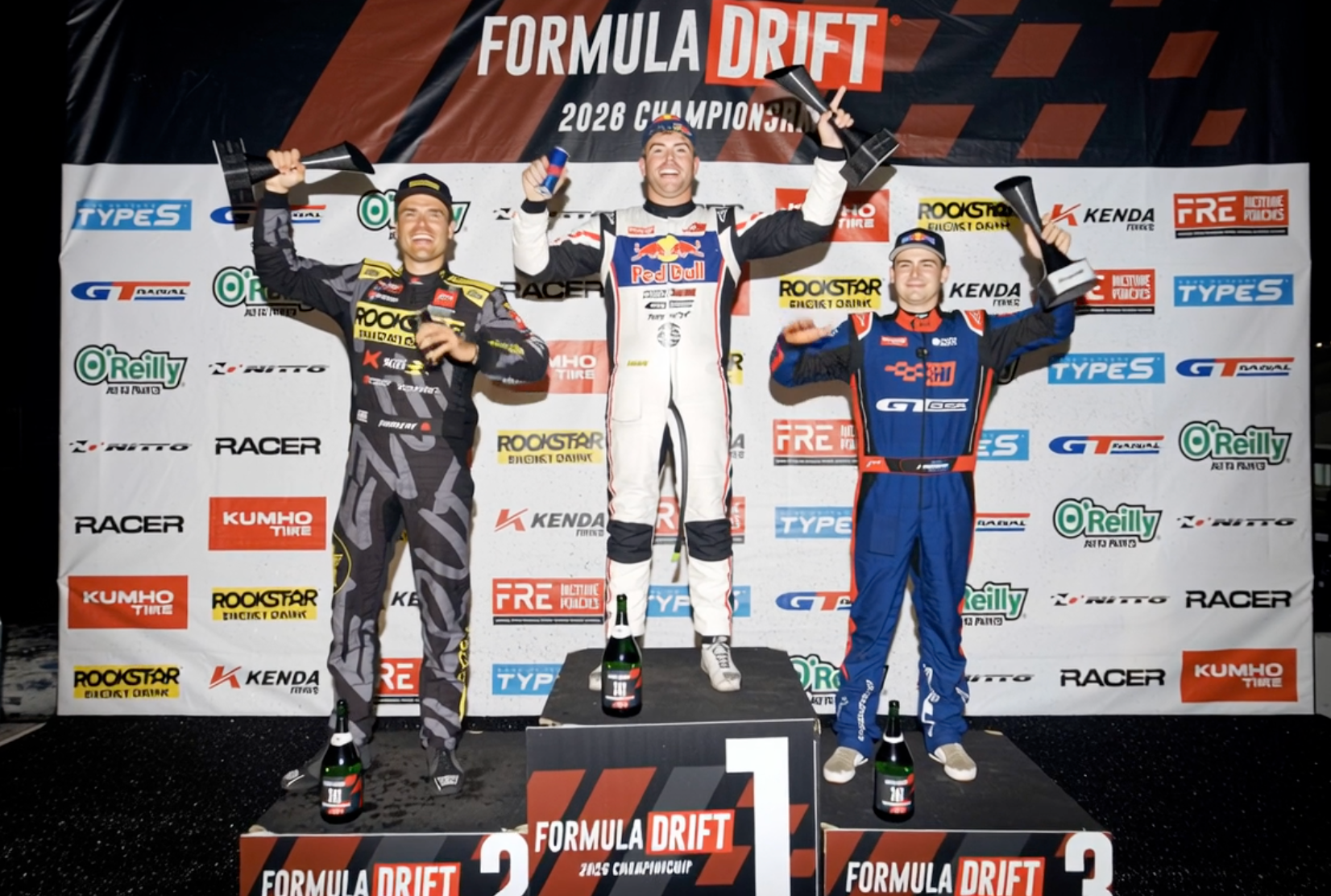
Under the Lights at Evergreen: Conor Shanahan Turns Seattle Into a Title Race
Czytaj więcejo Under the Lights at Evergreen: Conor Shanahan Turns Seattle Into a Title Race
PCU vs TPU PPF: Co mówi nam chemia
PCU jest podtypem poliwęglanu TPU, a nie nowym materiałem. Praktyczny przewodnik dotyczący zastosowań PCU PPF, jego ograniczeń oraz sposobu oceny twierdzeń dostawców.
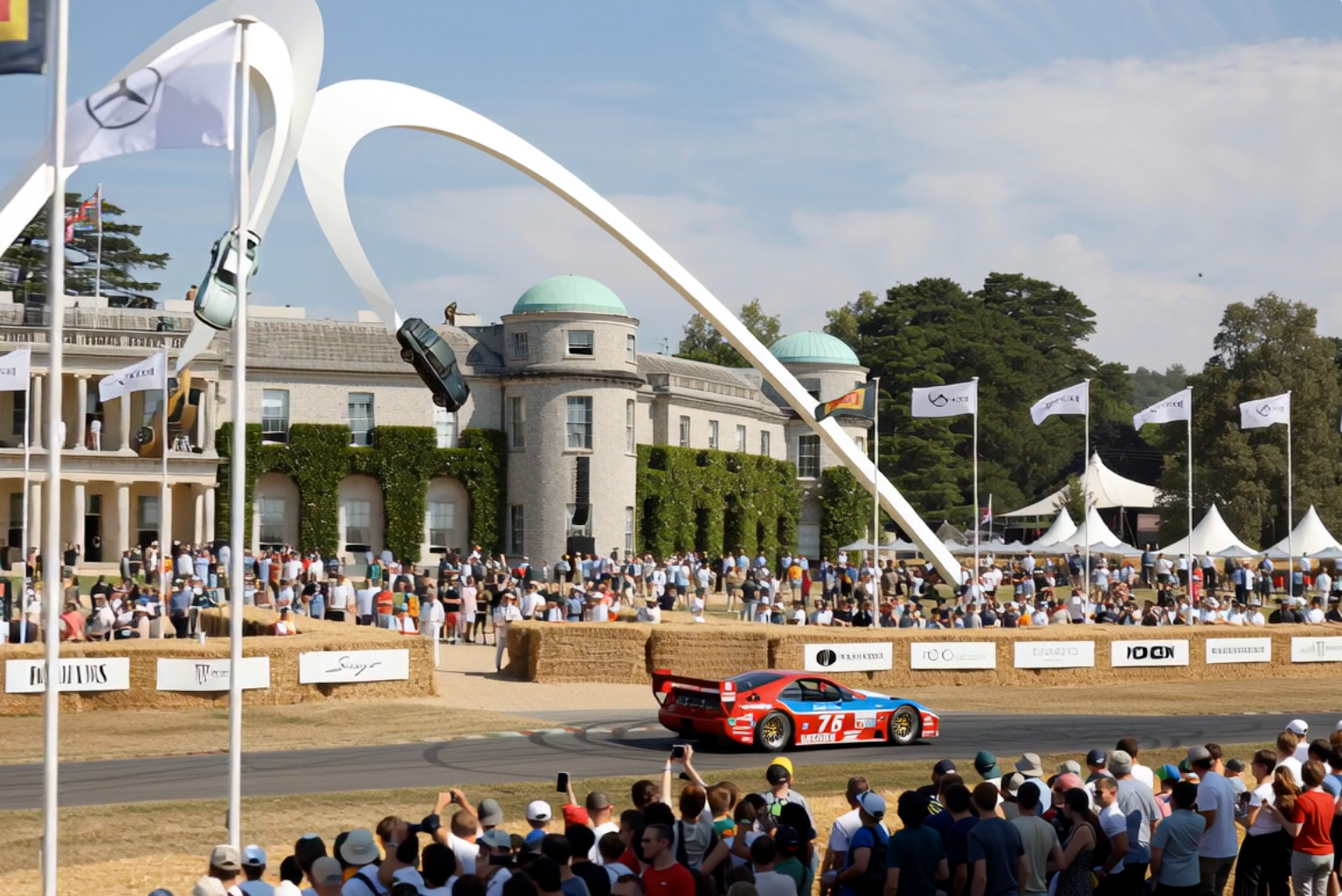
Romain Dumas wygrywa Goodwood Festival of Speed
Czytaj więcejo Romain Dumas wygrywa Goodwood Festival of Speed
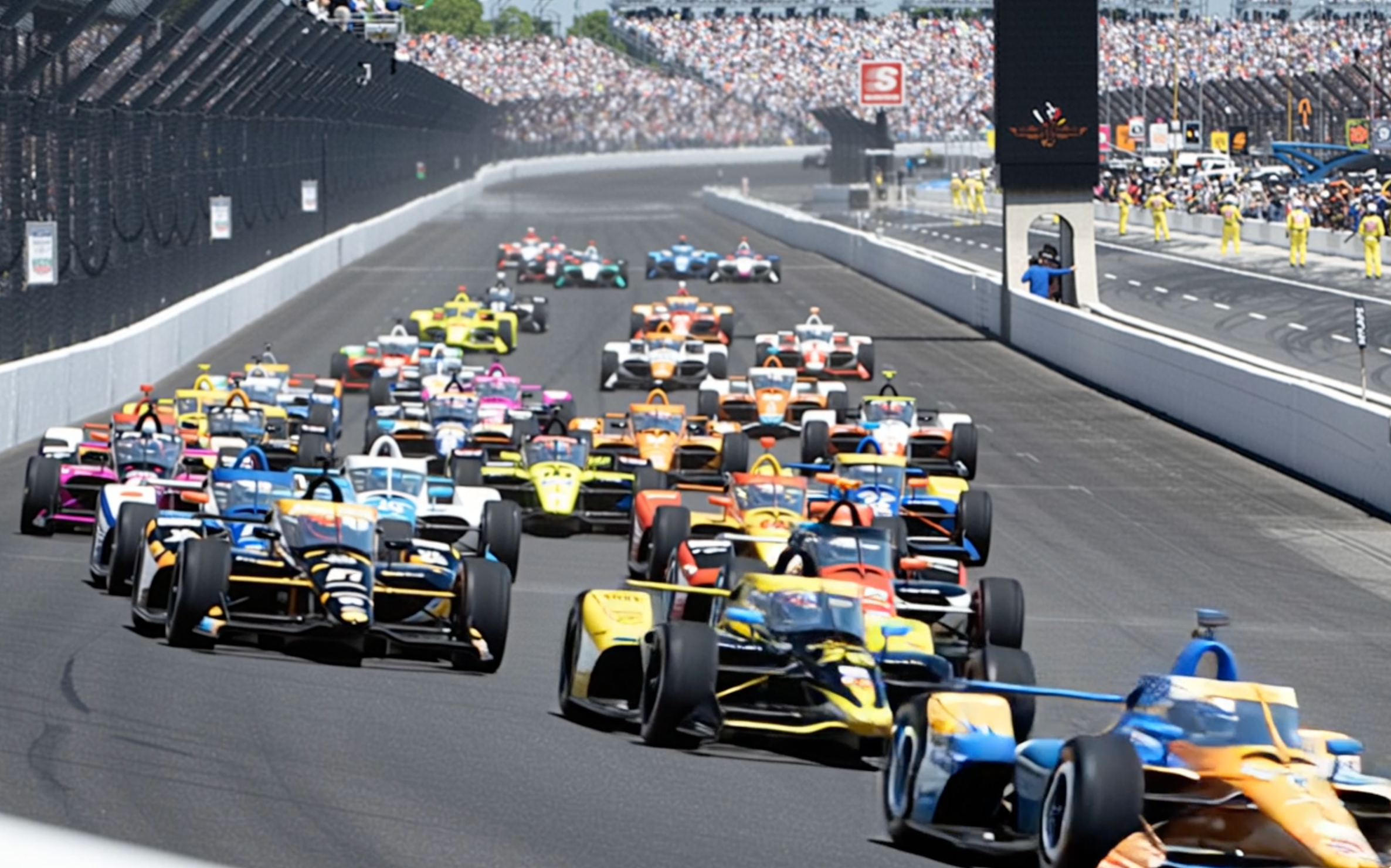
Pół długości samochodu: Jak Rosenqvist uczynił 110. Indy 500 najbliższym w historii
Czytaj więcejo Pół długości samochodu: Jak Rosenqvist uczynił 110. Indy 500 najbliższym w historii
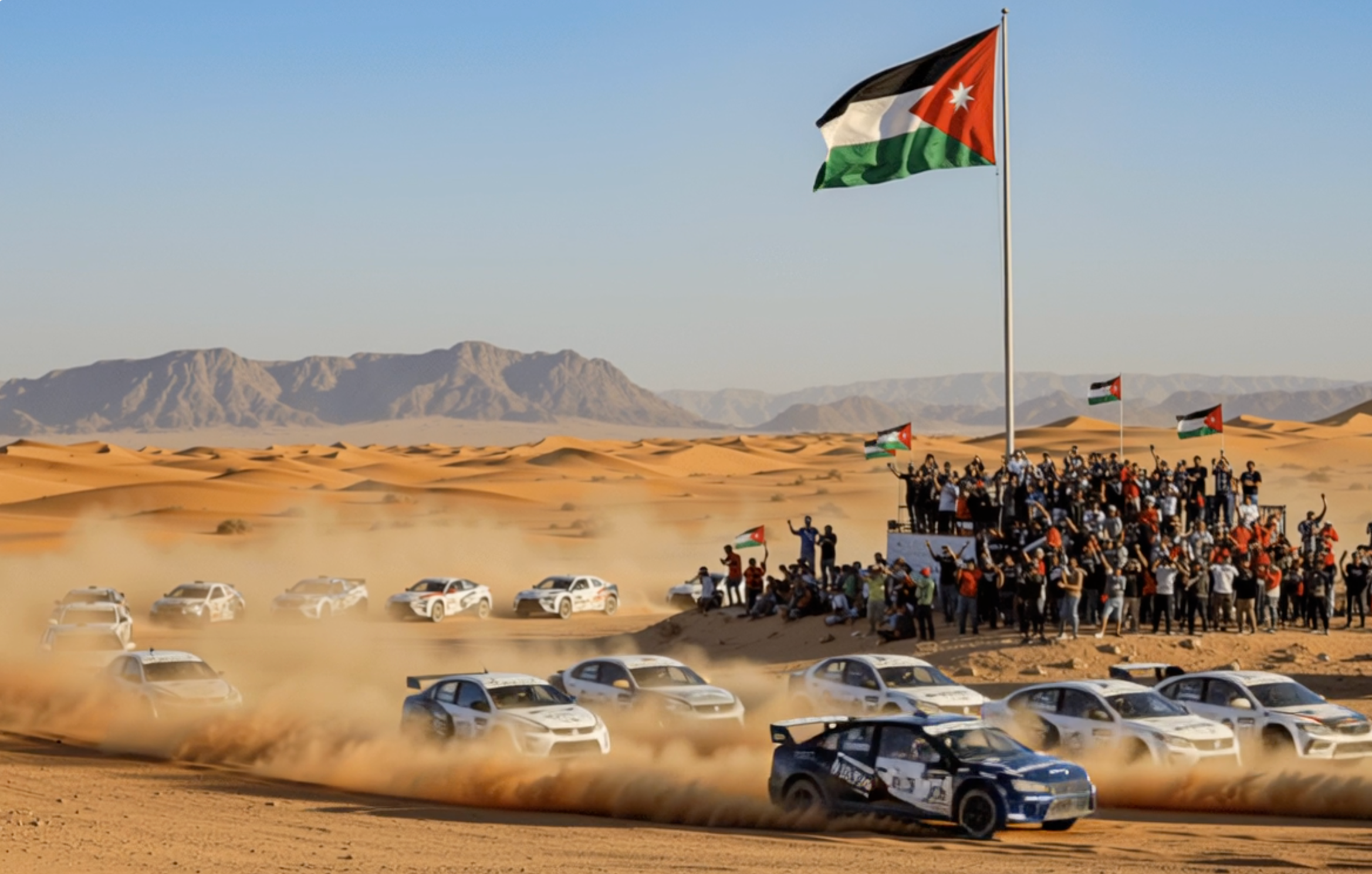
Poniżej poziomu morza: Jordan Rally i cicha walka o osiemnasty rekord
Czytaj więcejo Poniżej poziomu morza: Jordan Rally i cicha walka o osiemnasty rekord
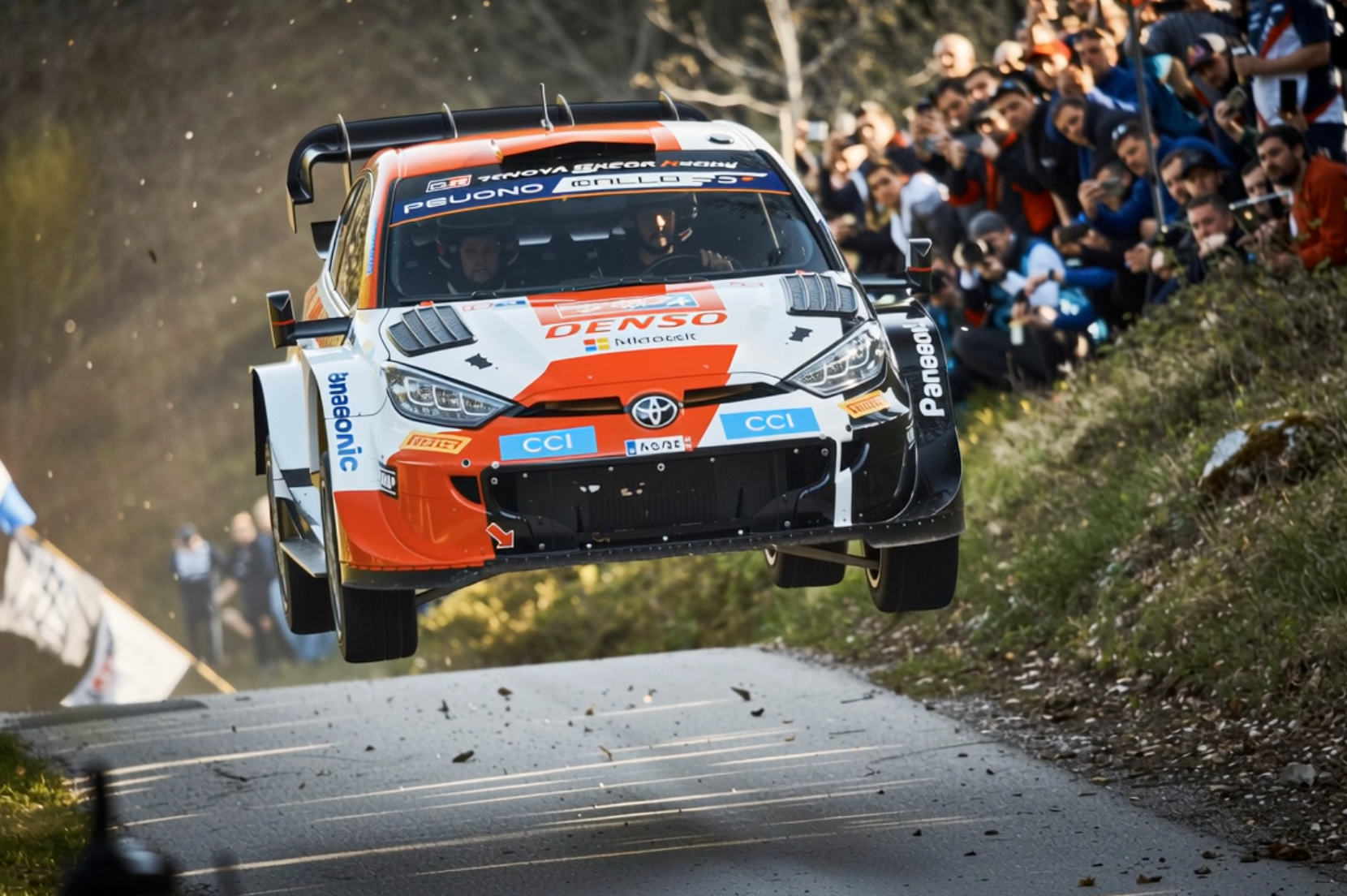
Powrót Rajdu Chorwacji: Nowe Wybrzeże, Ten Sam Brutalny Asfalt
Czytaj więcejo Powrót Rajdu Chorwacji: Nowe Wybrzeże, Ten Sam Brutalny Asfalt

Japan Grand Prix 2026: Masterclass Antonelliego w Suzuce
29 marca 2026 roku jego wyścig na 53 okrażeniach dodał kolejny rozdział: 19-letni Kimi Antonelli stał się najmłodszym wielokrotnym zdobywcą wyścigów i najmłodszym liderem mistrzostw w historii Formuły 1.
Czytaj więcejo Japan Grand Prix 2026: Masterclass Antonelliego w Suzuce
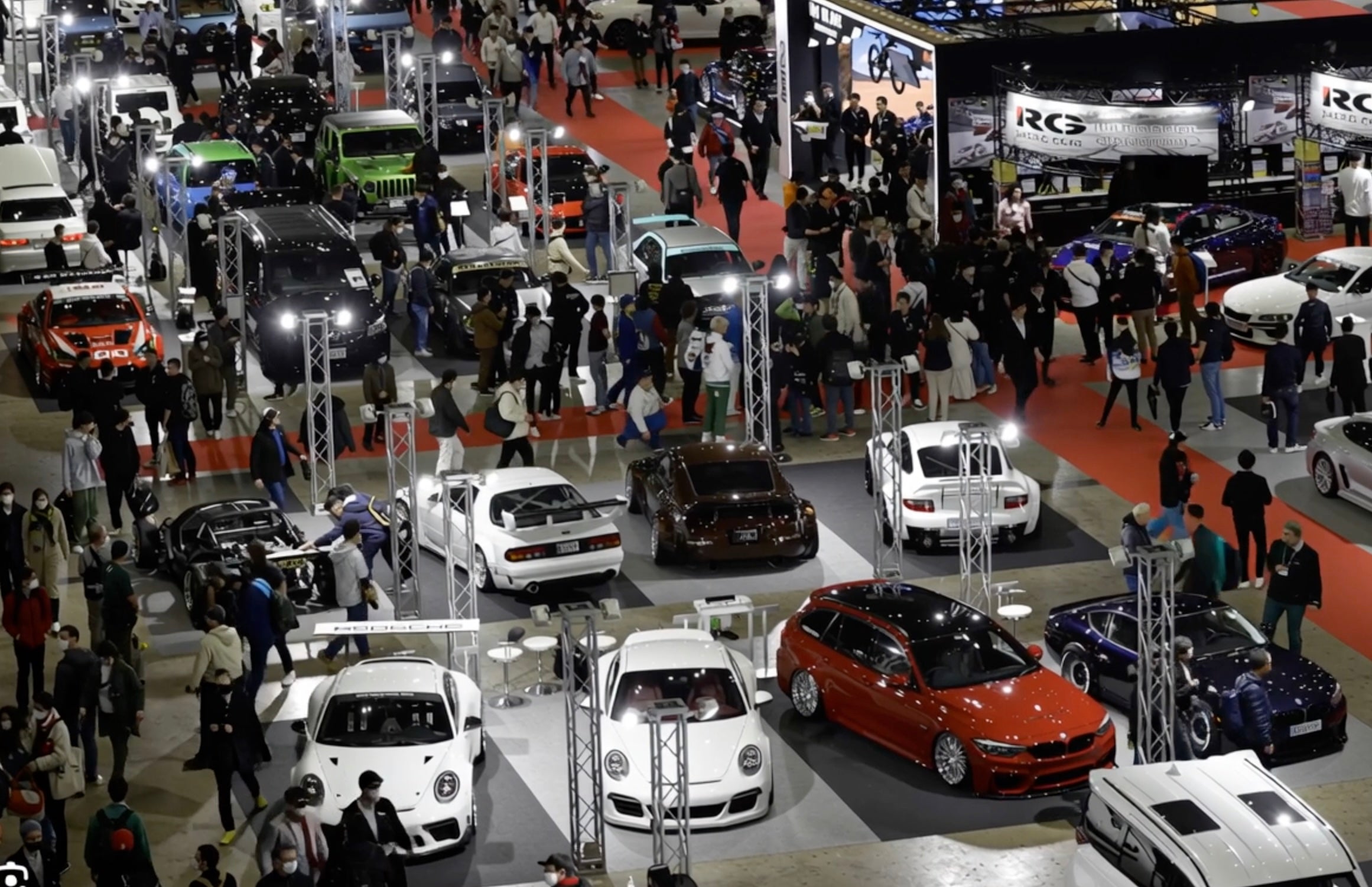
Tokyo Auto Salon 2026 w Makuhari Messe połączył koncepty producentów z oddolną kreatywnością, a GR GT3 Concept od Toyoty zdobyło najwyższe wyróżnienie pośród nowej energii dla tuningu, innowacji materiałowych i precyzyjnie dopasowanych konwersji EV.

Budapest–Bamako Rally 2025 świętowała swoją 20. rocznicę klasyczną trasą z Węgier do Gambii, nieprzewidywalnym dramatem pustynnym i kolejną zwycięstwem dla doświadczonego zespołu Koros Auto Team. Organizatorzy zrównoważyli tradycję i adaptację na najtrudniejszym amatorsskim etapie Afryki.
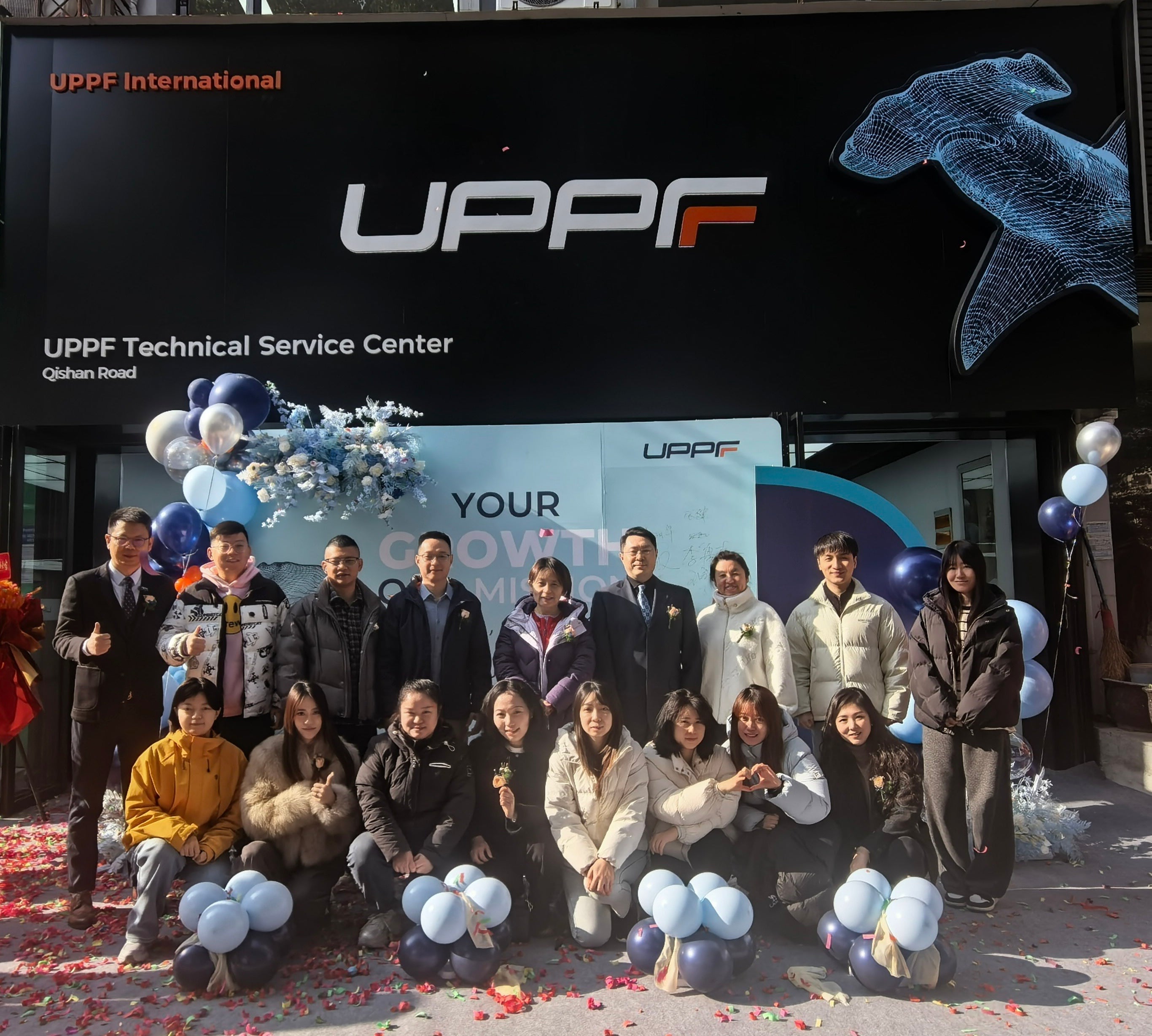
UPPF Otwiera Centrum Techniczne w Szanghaju
UPPF otwiera Centrum Techniczne w Szanghaju, aby przyspieszyć wsparcie produktowe, zarządzanie jakością i szkolenia instalatorów
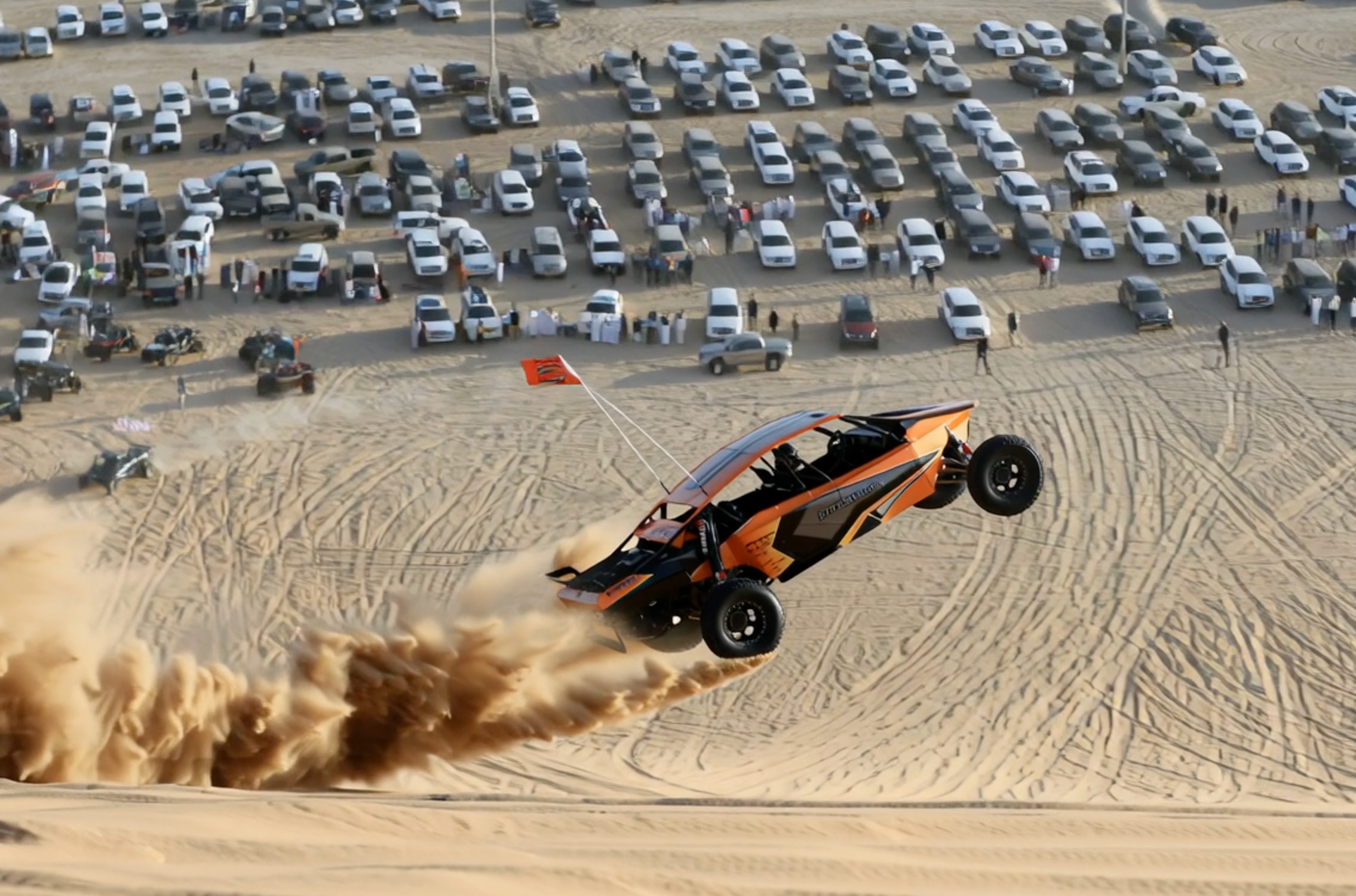
Liwa International Festival Abu Dhabi
Międzynarodowy Festiwal Liwa 2026 na pustyni Al Dhafra w Abu Dhabi odbywał się od 12 grudnia 2025 do 3 stycznia 2026, przyciągając kilkaset tysięcy odwiedzających na wyścigi wydm Tal Moreeb, konkurencje drag i drift, tradycyjne imprezy wielbłądów i koni oraz tętniącą życiem Wioskę Liwa, z klasami zwycięztw, w tym wyróżniającymi się przejazdy pojazdów elektrycznych i hybrydowych na słynnym piasku wzgórza.
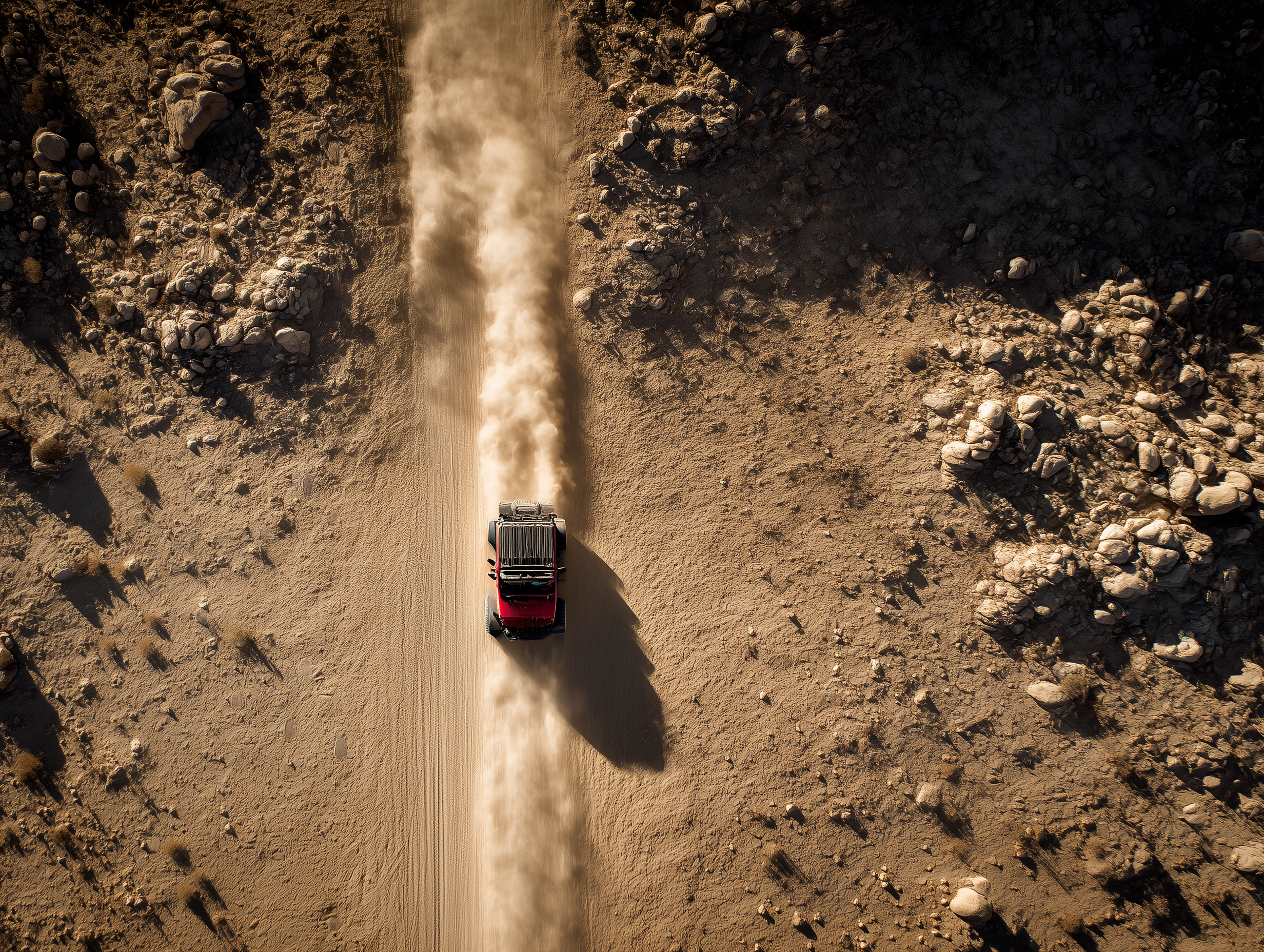
King of the Hammers 2025 przyniósł przełomową niespodziankę w wyścigach terenowych Ultra4, gdy Kyle Chaney prowadził pojazd UTV do zwycięstwa na całej linii w trudnych warunkach pustynnych i skalnych w Johnson Valley. Pełne podsumowanie zwycięzców, warunków pogodowych i wątków inżynierskich.
