
Wie UPPF Film hergestellt wird
UPPF besitzt keine Fabrik. Dies ist eine bewusste Entscheidung, die der Vorstand 2025 getroffen hat. Dies ändert, wofür wir verantwortlich sind, nicht aber, wie viel Kontrolle wir über den Film haben. Diese Seite erläutert, wie UPPF-Filme tatsächlich hergestellt werden: Was wir kaufen, wer sie herstellt und wie wir dies überprüfen.
Warum UPPF keine Fabrik besitzt
Viele Jahre lang war UPPF direkt in der Herstellung tätig. Mit dem Wandel des Marktes traf unser Vorstand eine klare Entscheidung. Es gibt nun viele leistungsfähige Beschichtungsfabriken auf der Welt, und der Besitz einer Fabrik macht den Film für den Kunden nicht mehr besser. 2025 vollendete UPPF nach einer formalen Vorstandsentscheidung seinen Übergang zu einem ressourcenschonenden Modell. Anstelle von Produktionskapazität konzentrieren wir uns auf vier Dinge: die Marke, das Produktdesign, die Qualitätskontrolle und das globale Vertriebsnetzwerk.
Es gibt vier Gründe für diese Entscheidung.
Fabriken werden gebaut, um Maschinen auszulasten, nicht um Qualität anzustreben
Wo es viele Fabriken gibt, muss jede ihre Maschinen ausgelastet halten. Dazu neigt eine Fabrik dazu, sich auf große Mengen zu konzentrieren. Qualität und Forschung werden zweitrangig. Dies ist einer der Hauptgründe dafür, dass die Filmqualität von Charge zu Charge variiert, und diese Schwankung sieht der Endkunde schließlich.
Keine einzelne Fabrik stellt jedes Produkt gleich gut her
Klares PPF, farbiges PPF, Schiebedachfilm, Scheinwerferfilm und Fensterfilm sind wirklich unterschiedliche Produkte. Jedes benötigt unterschiedliche Maschinen, unterschiedliche Materialien und unterschiedliche Fähigkeiten, und keine einzelne Fabrik ist bei allen am besten. Selbst Marken, die Fabriken besitzen, kaufen einige Produkte von anderen Fabriken, um ihre Palette zu vervollständigen. Eine Handvoll Produktionslinien zu besitzen und dann eine Produktpalette nur um das zu bauen, was diese Linien produzieren können, ist nicht die beste Art, Kunden zu bedienen.
Die meisten führenden Filmmarken arbeiten bereits auf diese Weise
Viele der angesehensten Filmmarken der Welt verwenden das gleiche Modell. Sie besitzen die Marke, die technische Entwicklung und die Qualitätsstandards, und arbeiten mit spezialisierten Fabriken für die Herstellung zusammen. Viele der heute verkauften Markenfilme werden auf Basisfilm von einer kleinen Anzahl großer Materiallieferanten hergestellt. Jede Marke fügt dann ihre eigene Oberflächenschicht, ihren eigenen Klebstoff und ihre eigene Qualitätskontrolle hinzu. Der Unterschied zwischen den Marken entsteht in diesen drei Schichten, nicht darin, wer den Beschichter besitzt.
Unabhängigkeit ermöglicht es uns, die besten Materialien auszuwählen
Als UPPF sowohl eine Marke als auch ein Hersteller war, behandelten viele Fabriken uns als Konkurrenten. Das erschwerte es, die besten Materialien zu kaufen und starke Lieferantenpartnerschaften aufzubauen. Als eine Marke, die keine Fabrik besitzt, können wir die besten Materialien und die beste Fabrik für jedes Produkt auswählen und diese Entscheidungen anpassen, wenn sich der Markt verändert.
Was UPPF kontrolliert
Wir besitzen keine Fabrik. Wir kontrollieren aber jeden Schritt, der sich auf die Qualität des Films auswirkt.
Premium-Rohstoffe
Wir kaufen unseren TPU-Basisfilm und unsere Klebstoffe direkt von den weltweit führenden Materiallieferanten. Diese Materialien haben die größte Einzelauswirkung darauf, wie ein Film über viele Jahre hinweg funktioniert. Wir spezifizieren die beste verfügbare Qualität, auch wenn dies mehr kostet.
Spezialisierte Produktion
Wir wählen die beste Fabrik für jeden Filmtyp aus. Jedes Produkt wird nach unseren eigenen Oberflächenschicht- und Klebstoffsystemen hergestellt, nicht nach einer Hausvorschrift der Fabrik.
Qualitätskontrolle in drei Stufen
Jede Bestellung wird drei Mal überprüft. Zunächst inspizieren wir die Rohstoffe bei der Ankunft. Zweitens beaufsichtigen wir die Produktion in der Fabrik. Drittens testen wir den fertigen Film vor dem Versand.
Unabhängige Laborprüfungen
Standard-Leistungstests werden in unserem eigenen Labor in unserem Shanghai-Büro durchgeführt. Für tiefere Analysen arbeiten wir mit unabhängigen, zertifizierten Laboren zusammen, die fortgeschrittene Tests durchführen, darunter Infrarotspektroskopie, NMR (Kernmagnetresonanz) und GPC (Gel-Permeations-Chromatographie). Die meisten Fabriken können diese Tests überhaupt nicht durchführen.
Sie tun zwei Dinge für uns. Sie bestätigen, dass unsere Rohstoffe echt sind und der Spezifikation entsprechen. Noch wichtiger ist, sie bestätigen, dass der Film seine Leistung über Jahre hinweg behält, nicht nur über Monate, was genau der Punkt ist, an dem schwächere Filme versagen und wo ein Spezifikationsblatt Ihnen nichts sagt.
Investition in Forschung
Kapital, das ansonsten in Fabriken und Maschinen gebunden wäre, fließt stattdessen in Forschung und Entwicklung, was es der Palette ermöglicht, sich weiterzubewegen, wenn sich die Anforderungen unserer Partner ändern.
Was das für Partner bedeutet
UPPF ist eine etablierte Marke mit einem über viele Jahre hinweg aufgebauten globalen Netzwerk. Aufgrund des oben beschriebenen Modells können wir Partnern und Distributoren eine hochwertige Produktpalette, faire Preisgestaltung, konsistente Qualität und zuverlässige Versorgung anbieten, während wir die Lieferkette vom Rohstoff bis zum fertigen Film kontrollieren.
Eine Fabrik ist nur ein Teil eines Films. Die Marke, die Materialien, die Standards und das über viele Jahre aufgebaute Vertrauen sind das, was den wirklichen Unterschied ausmacht.
Häufig gestellte Fragen
Warum besitzt UPPF keine Fabrik?
Wer stellt UPPF-Film her?
Wie kontrolliert UPPF die Filmqualität?
Welche unabhängigen Labortests führt UPPF durch?
Was bedeutet UPPFs Asset-Light-Modell für Partner und Distributor?
Under the Lights at Evergreen: Conor Shanahan Turns Seattle Into a Title Race
Weiterlesenüber Under the Lights at Evergreen: Conor Shanahan Turns Seattle Into a Title Race
PCU vs TPU PPF: Was die Chemie uns verrät
PCU ist ein Polycarbonat-Subtyp von TPU, kein neues Material. Ein technischer Leitfaden darüber, wo PCU PPF hilft, wo es versagt, und wie man Herstellerangaben beurteilt.

Romain Dumas gewinnt das Goodwood Festival of Speed
Weiterlesenüber Romain Dumas gewinnt das Goodwood Festival of Speed
Eine halbe Autolänge: Wie Rosenqvist das 110. Indy 500 zum knappsten der Geschichte machte
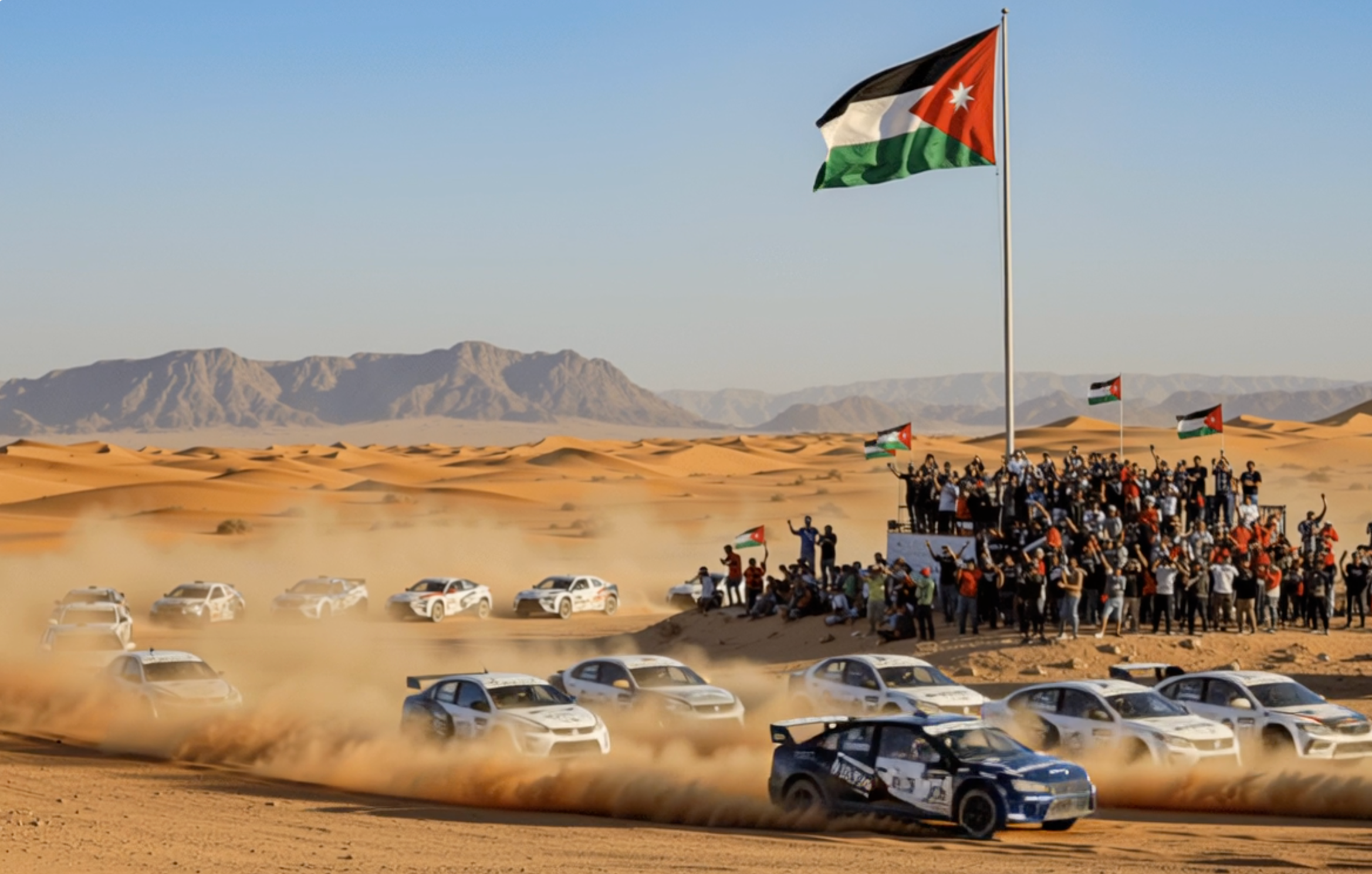
Unter dem Meeresspiegel: Die Jordan-Rallye und die stille Jagd nach dem 18. Rekord
Weiterlesenüber Unter dem Meeresspiegel: Die Jordan-Rallye und die stille Jagd nach dem 18. Rekord
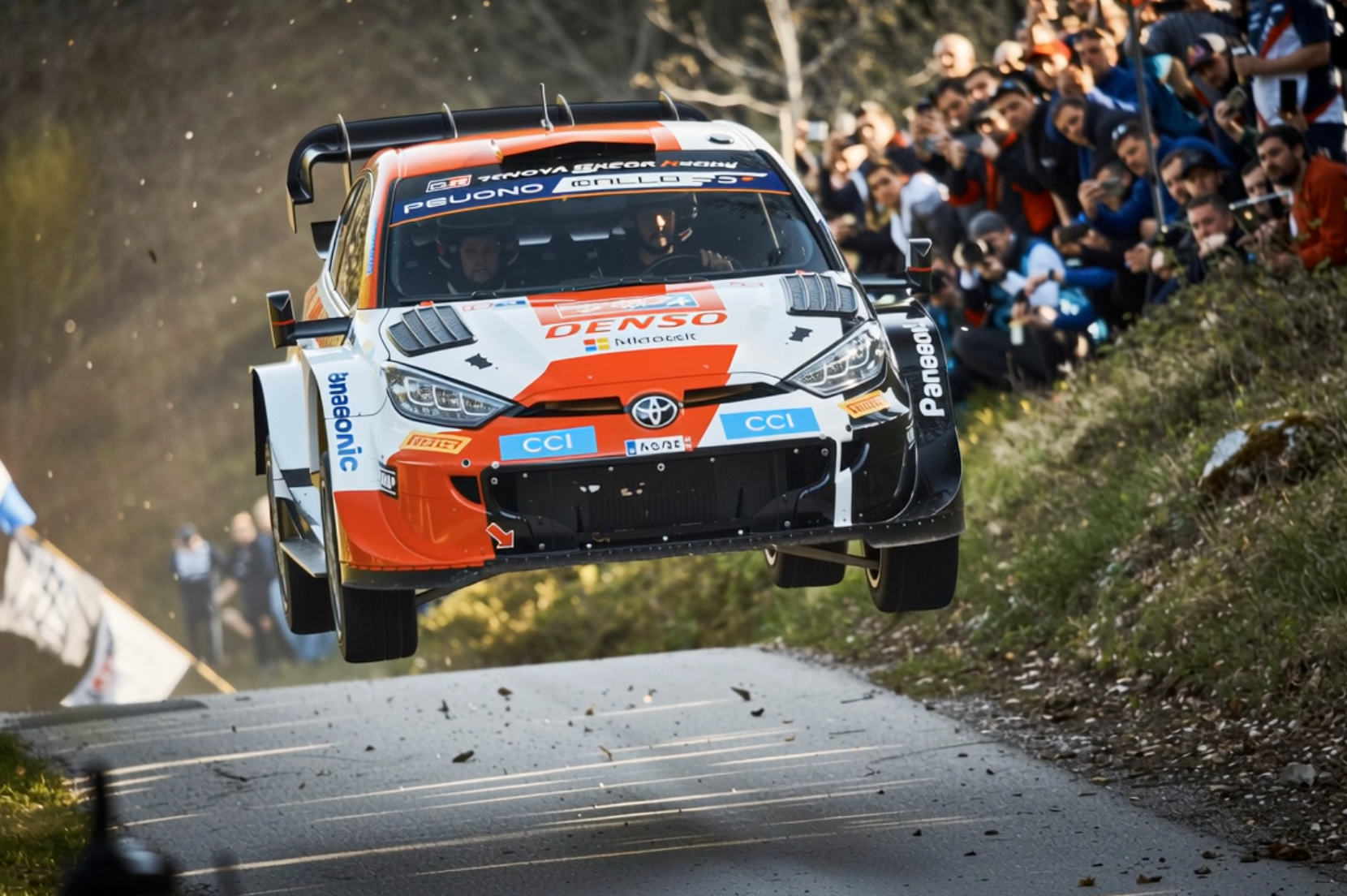
Die Rallye Kroatien kehrt zurück: Eine neue Küstenlinie, der gleiche brutale Asphalt
Weiterlesenüber Die Rallye Kroatien kehrt zurück: Eine neue Küstenlinie, der gleiche brutale Asphalt

Japan Grand Prix 2026: Antonellis Suzuka-Meisterschaft
Am 29. März 2026 lieferte sein 53-Runden-Rennen ein weiteres Kapitel: Der 19-jährige Kimi Antonelli wurde zum jüngsten mehrfachen Rennsieger und jüngsten Meisterschaftsführenden in der Formel-1-Geschichte.
Weiterlesenüber Japan Grand Prix 2026: Antonellis Suzuka-Meisterschaft
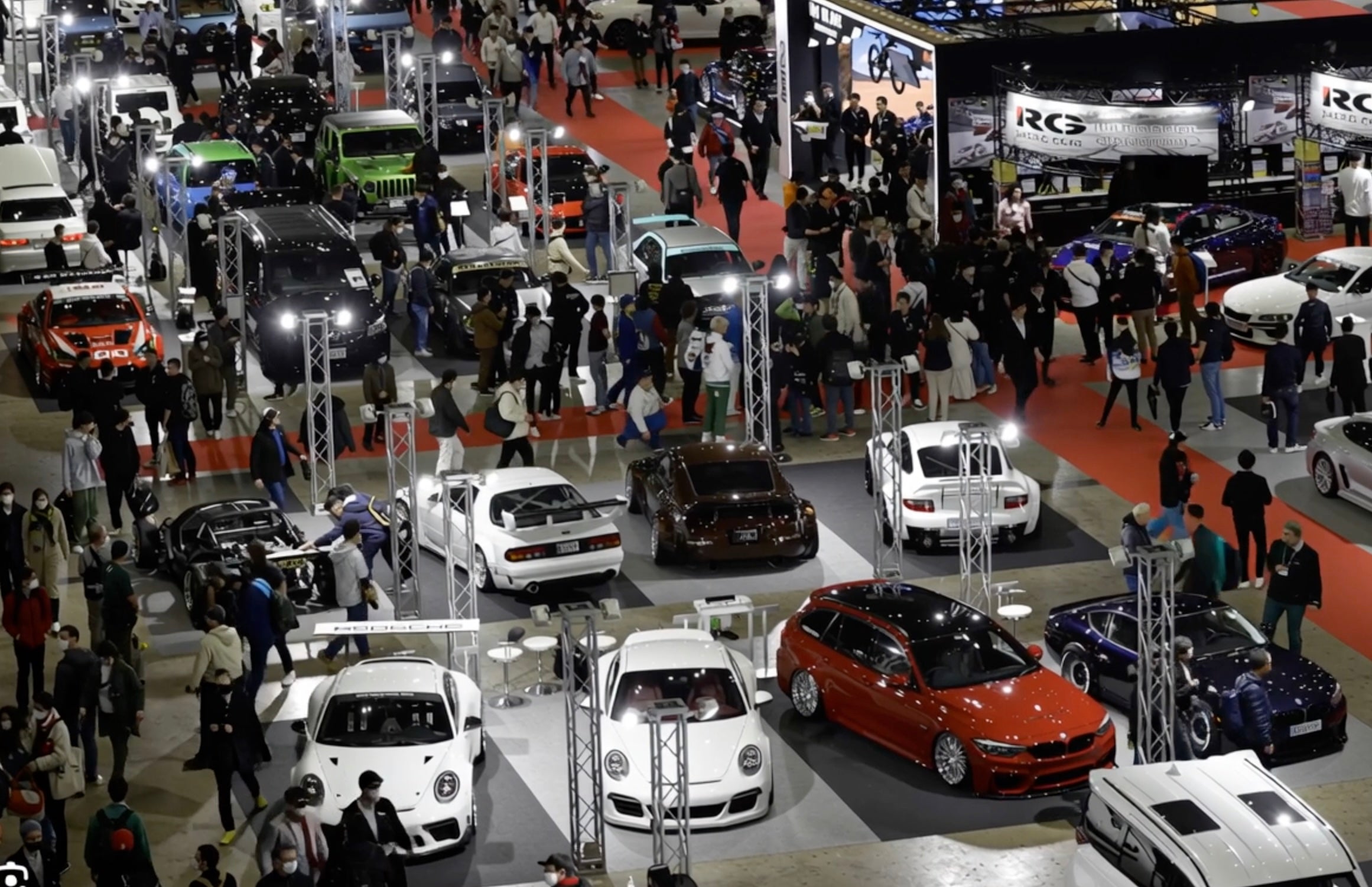
Der Tokyo Auto Salon 2026 in der Makuhari Messe vereinte Erstausrüster-Studien und Kreativität von der Basis, wobei Toyotas GR GT3 Concept die höchste Auszeichnung erhielt – begleitet von neuer Energie für Tuning, Materialinnovation und passgenaue EV-Umrüstungen.

Budapest–Bamako Rally 2025 feierte sein 20-jähriges Jubiläum mit einer klassischen Route von Ungarn nach Gambia, unvorhersehbarem Wüstendrama und einem weiteren Sieg für das erfahrene Koros Auto Team. Die Organisatoren balancierten Tradition und Anpassung auf Afrikas schwierigster Amateurstrecke.
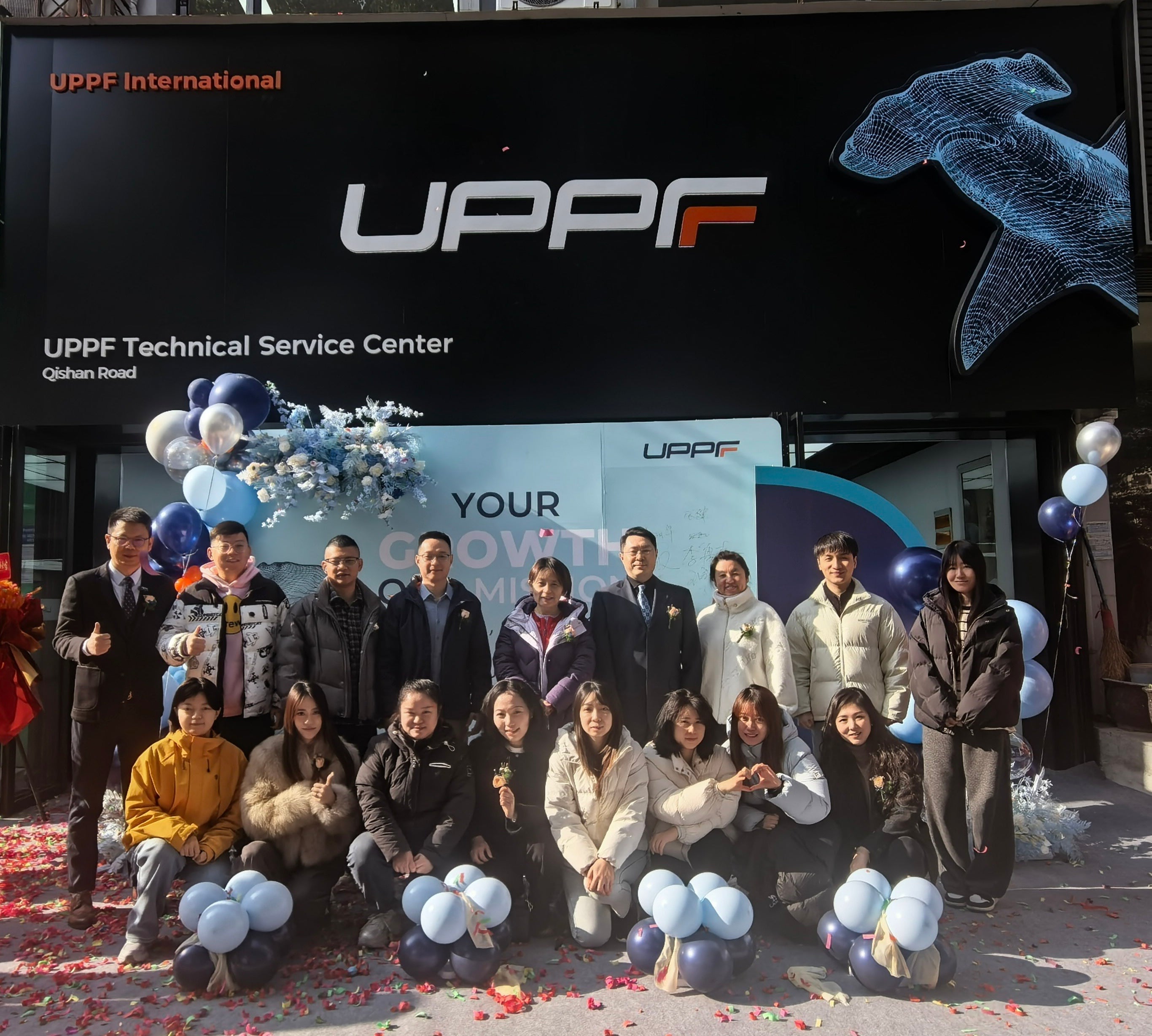
UPPF eröffnet technisches Zentrum in Shanghai
UPPF eröffnet Technisches Zentrum in Shanghai zur Beschleunigung von Produktsupport, Qualitätsmanagement und Installationsschulungen
Weiterlesenüber UPPF eröffnet technisches Zentrum in Shanghai
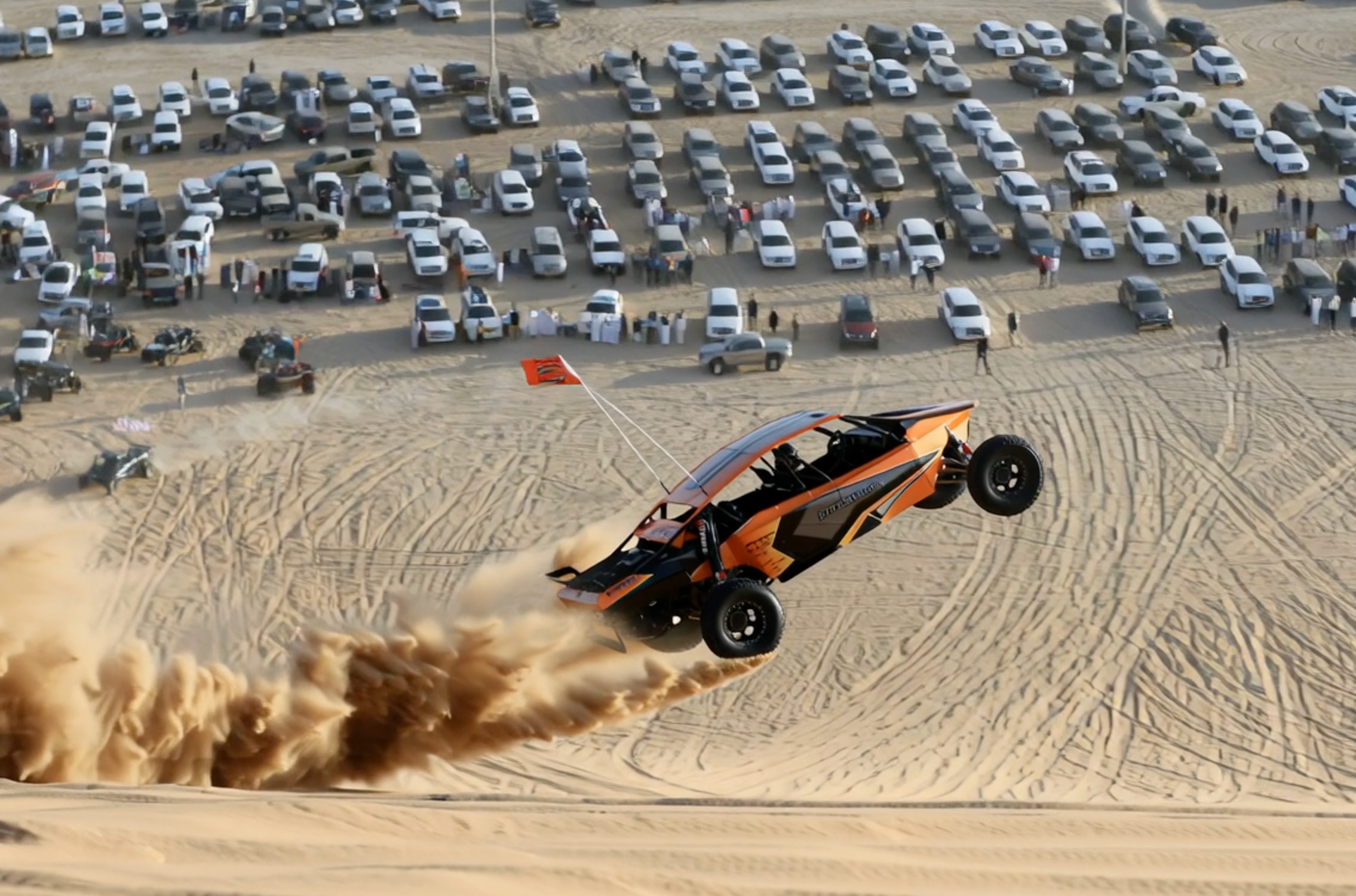
Liwa International Festival Abu Dhabi
Das Liwa International Festival 2026 in der Al-Dhafra-Wüste von Abu Dhabi lief vom 12. Dezember 2025 bis zum 3. Januar 2026 und zog mehrere hunderttausend Besucher an, für Dünenrennen am Tal Moreeb, Dragster- und Drift-Wettbewerbe, traditionelle Kamel- und Pferde-Events und ein belebtes Liwa Village, mit Klassensiegen einschließlich herausragender EV- und Hybrid-Läufe auf dem berühmten Sandhügel.
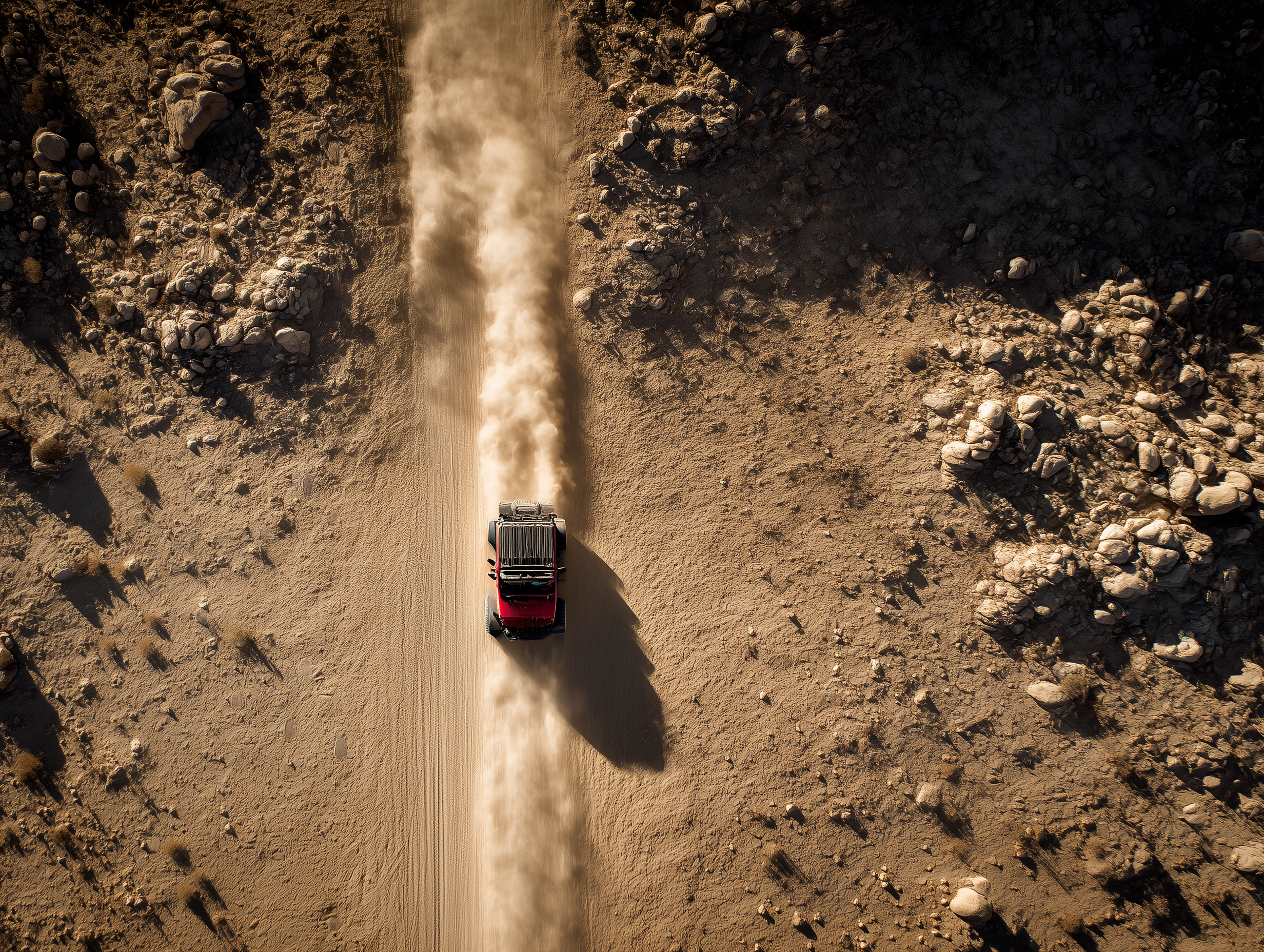
King of the Hammers 2025 hat eine bahnbrechende Überraschung im Ultra4-Offroad-Rennsport geliefert, wobei Kyle Chaney ein UTV zum Gesamtsieg in den anspruchsvollen Wüsten- und Felsbedingungen bei Johnson Valley steuerte. Vollständige Zusammenfassung der Gewinner, Wetterbedingungen und technischen Highlights.
